
NZ Media News
Back to latest



Government Secures Diesel Reserves: Implications for NZ Marketers
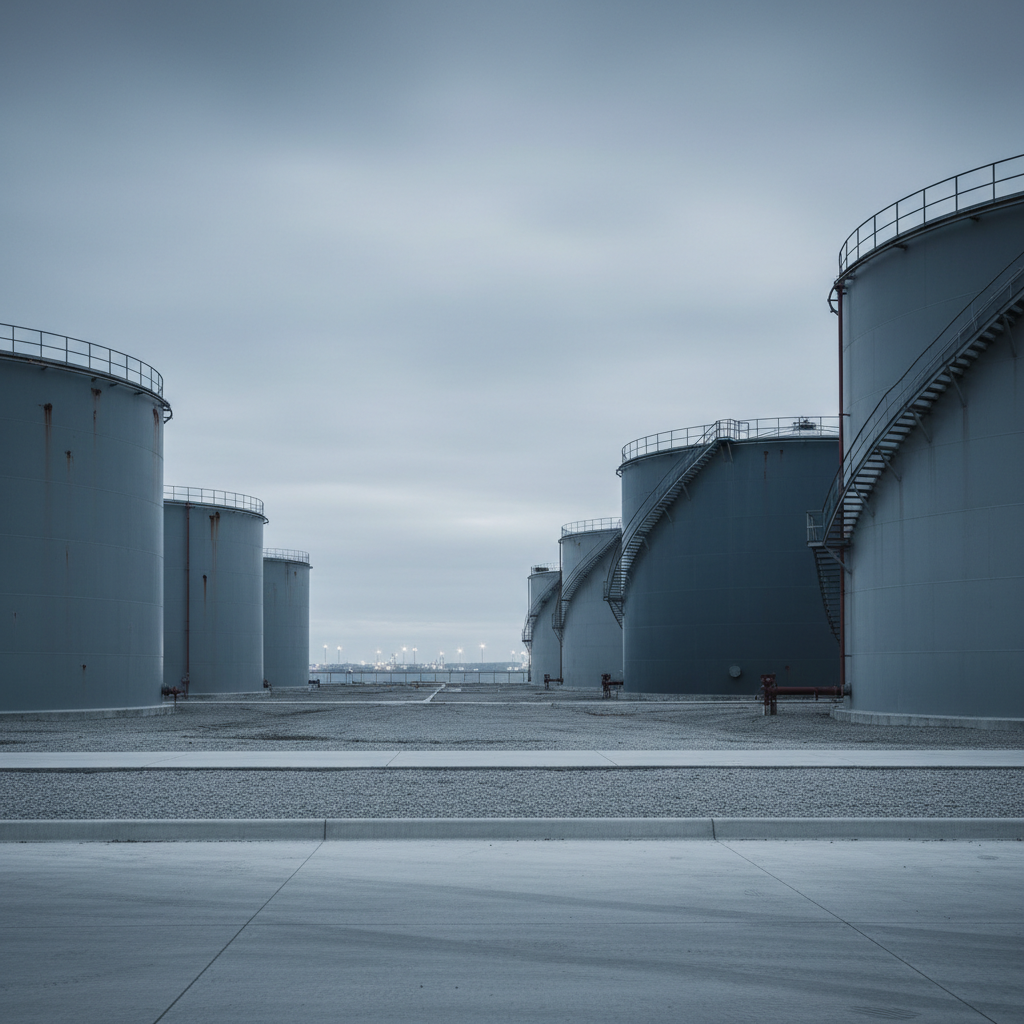
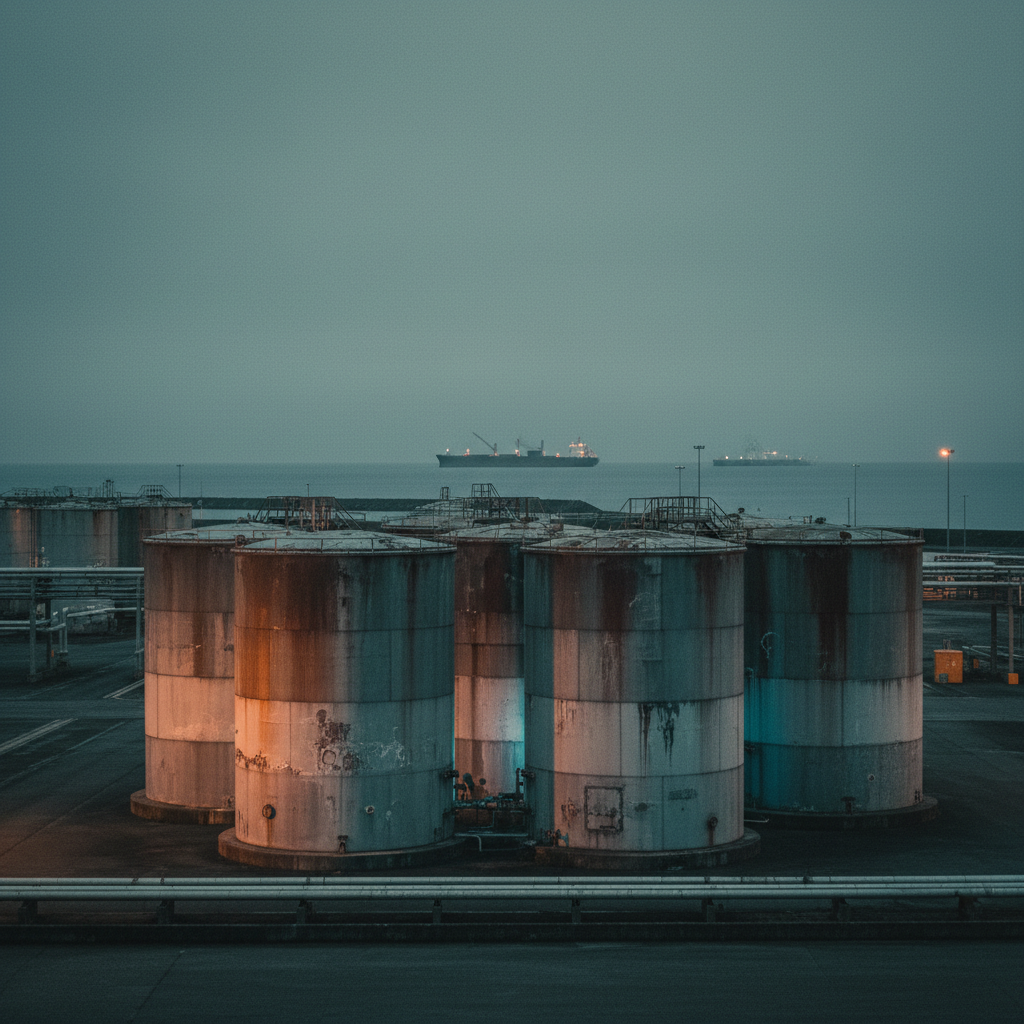
The New Zealand government has committed $21 million to secure 90 million litres of diesel storage at Marsden Point, aiming to bolster national fuel resilience. This strategic move, prompted by potential supply chain vulnerabilities, signals a critical focus on infrastructure that underpins the entire economy.
What Happened
- •The NZ Cabinet approved a $21 million investment to secure diesel storage capacity.
- •This funding will ensure 90 million litres of diesel can be stored at Marsden Point.
- •The additional storage capacity is projected to be operational within two months from 1 April 2026.
- •The initiative addresses concerns about national fuel security and supply chain robustness.
- •The decision follows ongoing discussions regarding New Zealand's energy independence and resilience. (Source: NZ Herald - Business, 1 April 2026)
Why It Matters for NZ Marketers
- •Enhanced fuel security reduces the risk of supply chain disruptions, directly impacting logistics and distribution costs for NZ businesses.
- •Stable fuel supply can mitigate inflationary pressures on goods and services, influencing consumer spending patterns.
- •Businesses reliant on transportation, such as retail, agriculture, and tourism, gain greater operational certainty.
- •The investment highlights government focus on critical infrastructure, potentially signaling future investments that could impact regional development.
- •Reduced risk of fuel shortages lessens potential negative sentiment and panic buying, contributing to a more stable market environment.
Strategic Implications
- •Marketers should assess their supply chain vulnerabilities and build contingency plans, even with improved national reserves.
- •Consider the potential for more stable transportation costs in future budgeting and pricing strategies.
- •Brands can leverage themes of resilience and reliability in their messaging, aligning with national priorities.
- •Evaluate the impact of stable fuel prices on consumer discretionary spending, particularly for products with high transport costs.
- •For B2B marketers, understanding clients' logistics stability can inform product development and service offerings.
Future Trend Signals
- •Increased government intervention and investment in critical national infrastructure.
- •A growing emphasis on energy resilience and self-sufficiency within New Zealand.
- •Potential for further policy changes impacting energy consumption and supply chains.
- •The long-term shift towards alternative energy sources may accelerate, even as fossil fuel security is temporarily boosted.
Sources
Editorial note: This analysis is original, AI-assisted editorial content. All source material is attributed with links. No full articles are reproduced. Short excerpts are used under fair dealing principles.
Related Analysis
More posts sharing similar topics
AI & CommercePolitics
AI's Energy Appetite: Meta's Gas Power Play Signals Global Infrastructure Shift
AI & CommercePolitics
Auckland City Deal: Long-Term Funding Signals New Marketing Landscapes
AI & CommercePolitics
Australian Media Consolidation: WIN's Increased Stake in Nine Signals Shifting Trans-Tasman Dynamics
AI & CommercePolitics
Government Eyes Marsden Point Fuel Storage Revival: Implications for NZ Supply Chains
AI & CommercePolitics