
NZ Media News
Back to latest



Government Eyes Marsden Point Fuel Storage Revival: Implications for NZ Supply Chains
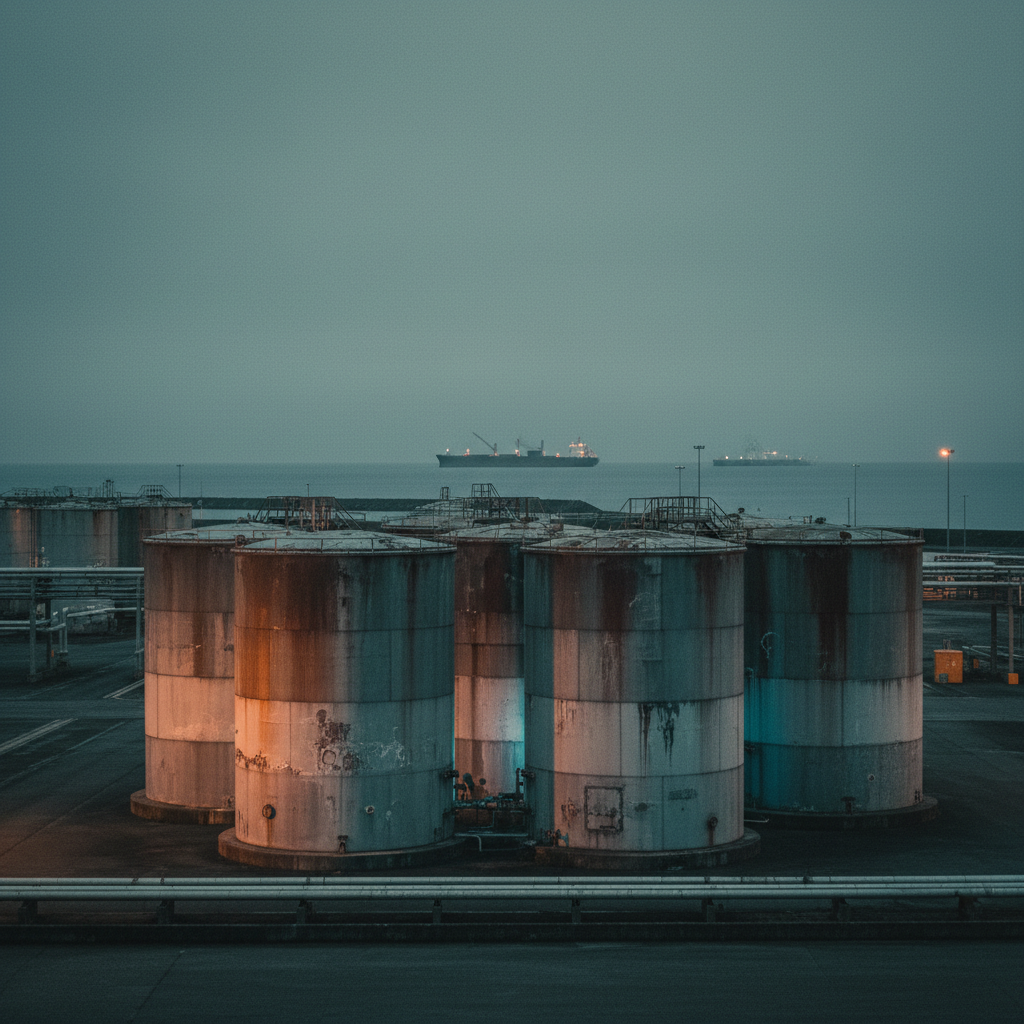
The New Zealand government is exploring options to support the refurbishment of Channel Infrastructure's disused fuel storage tanks at Marsden Point. This initiative aims to bolster the nation's strategic fuel reserves and enhance energy security, potentially impacting logistics and B2B sectors.
What Happened
- •The New Zealand government is considering financial assistance to refurbish Channel Infrastructure’s empty fuel storage tanks at Marsden Point.
- •These tanks, previously part of the Marsden Point oil refinery, have been dormant since the refinery's closure.
- •The potential refurbishment is driven by a need to increase New Zealand's strategic fuel resilience and storage capacity.
- •Discussions are ongoing between government officials and Channel Infrastructure regarding the viability and funding models for the project.
- •The move follows a global push for nations to strengthen energy security amidst geopolitical uncertainties.
- •The decision involves evaluating the economic feasibility and long-term benefits of reactivating these key assets.
Why It Matters for NZ Marketers
- •Enhanced fuel security could stabilise supply chains, reducing volatility for businesses reliant on transportation and logistics.
- •Potential government investment signals a focus on critical infrastructure, which may open doors for B2B marketing in related industries.
- •Improved energy resilience could mitigate future price shocks, indirectly benefiting consumer spending and business operational costs.
- •The project's execution will involve significant procurement, creating opportunities for local suppliers and service providers.
- •This development underscores the government's role in market intervention for national strategic assets, influencing future policy decisions.
- •Reduced risk of fuel shortages can maintain business continuity, particularly for industries like agriculture, tourism, and manufacturing.
Strategic Implications
- •Marketers in logistics, manufacturing, and primary industries should monitor supply chain stability and potential cost impacts.
- •B2B marketers targeting infrastructure, engineering, and energy sectors should prepare for potential tender opportunities and partnership pitches.
- •Brands can strategically communicate their commitment to resilience and local supply chain support, aligning with national priorities.
- •Consider the long-term implications for New Zealand's energy independence when crafting brand narratives around sustainability and local sourcing.
- •Evaluate how improved national infrastructure might influence consumer confidence and spending patterns in the medium term.
- •Agencies with B2B specialisations should proactively engage with clients in sectors that would benefit from or contribute to this project.
Future Trend Signals
- •Increasing government intervention in critical national infrastructure and strategic resources.
- •A growing emphasis on supply chain resilience and energy security as key national priorities.
- •Potential for a resurgence in B2B marketing opportunities within the energy and infrastructure sectors.
- •Shifts in public perception and policy towards local production and storage over global reliance.
Sources
Editorial note: This analysis is original, AI-assisted editorial content. All source material is attributed with links. No full articles are reproduced. Short excerpts are used under fair dealing principles.
Related Analysis
More posts sharing similar topics
AI & CommercePolitics
Te Arawa Lakes Trust Expands Tourism Portfolio with Rotorua Duck Tours Acquisition
AI & CommercePolitics
Marsden Point's Fuel Storage Expansion: A Strategic Imperative for NZ Marketers
AI & CommercePolitics
Economic Optimism Amidst Global Headwinds: NZX 50's Resilience and OCR Outlook
AI & CommercePolitics
NZX Resilience Amidst Australian Rate Hike Signals Stable Marketing Landscape
AI & CommercePolitics