
NZ Media News
Back to latest



AI's Energy Appetite: Meta's Gas Power Play Signals Global Infrastructure Shift
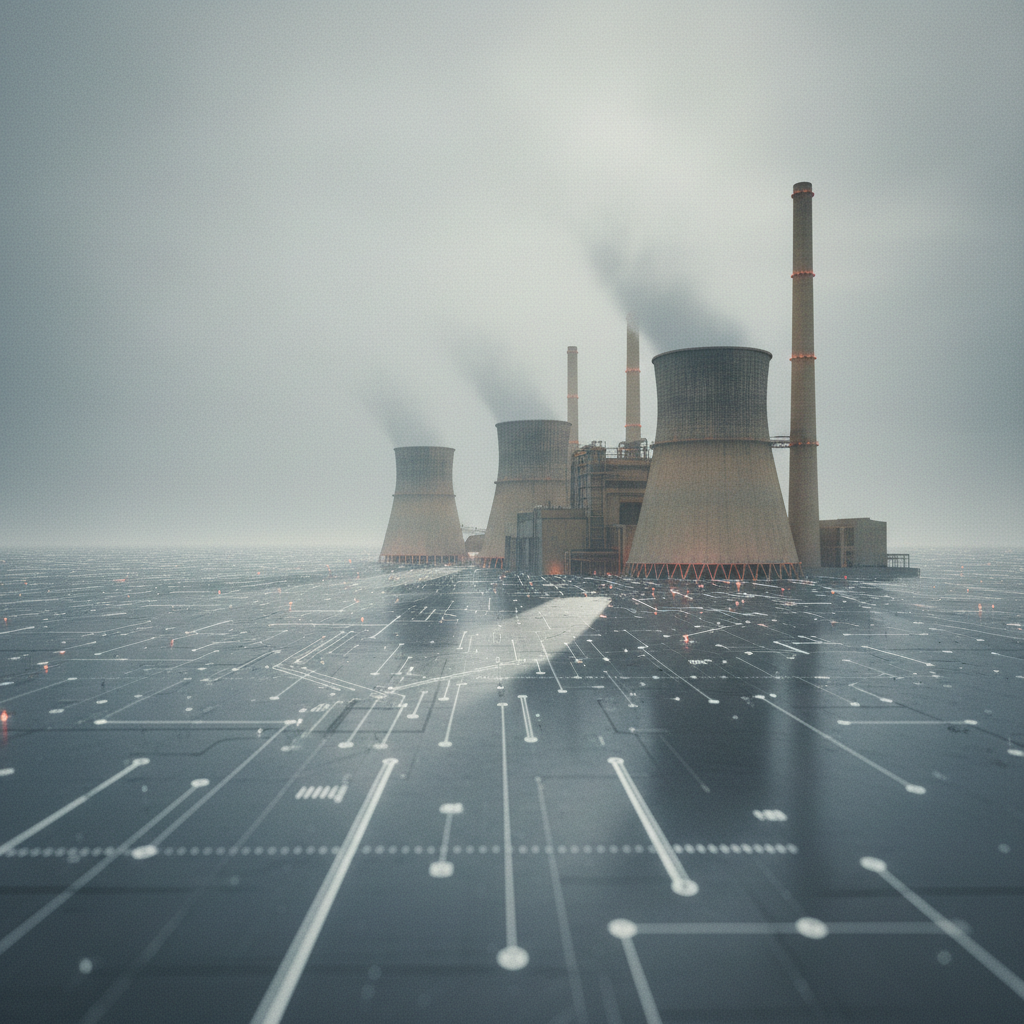
Meta is reportedly constructing 10 new natural gas power plants to fuel its Hyperion AI data center in South Dakota. This move underscores the massive energy demands of advanced AI infrastructure, raising critical questions about sustainability and the future of data centre power generation globally.
What Happened
- •Meta plans to power its new Hyperion AI data center with 10 dedicated natural gas plants.
- •These plants are designed to provide the significant energy required for AI operations.
- •The data center project is located in South Dakota, USA.
- •This development highlights the escalating energy consumption associated with large-scale AI infrastructure.
- •The decision to use natural gas reflects current challenges in scaling renewable energy fast enough for AI demands.
- •The initiative was reported by TechCrunch on 1 April 2026.
Why It Matters for NZ Marketers
- •New Zealand's commitment to sustainability and renewable energy targets could clash with future AI infrastructure needs.
- •Increased global AI adoption will likely drive up energy costs, impacting NZ businesses relying on cloud services.
- •NZ marketers must prepare for potential 'greenwashing' concerns as global tech giants balance AI growth with environmental claims.
- •The local availability and cost of renewable energy could become a competitive advantage or disadvantage for NZ-based data centres.
- •This trend could influence policy discussions around energy infrastructure and data sovereignty in New Zealand.
- •NZ's tech sector, including AI startups, will face scrutiny regarding their own energy footprints.
Strategic Implications
- •Marketers must integrate sustainability messaging authentically, acknowledging the energy cost of AI tools they promote or use.
- •Businesses should audit their digital supply chains for energy consumption, particularly for AI-driven services.
- •Consider investing in energy-efficient AI solutions or partners prioritising renewable energy sources.
- •Develop contingency plans for potential energy price volatility driven by increased AI demand.
- •Educate consumers on the environmental trade-offs of advanced digital services, fostering transparency.
- •Explore opportunities for 'green AI' initiatives that minimise energy usage while maximising impact.
Future Trend Signals
- •A growing tension between rapid AI advancement and global climate goals is inevitable.
- •Expect a surge in demand for innovative, high-density energy solutions for data centres worldwide.
- •The 'energy footprint' of AI will become a critical factor in brand reputation and consumer choice.
- •Increased investment in both renewable energy infrastructure and more efficient AI hardware design will accelerate.
Sources
Editorial note: This analysis is original, AI-assisted editorial content. All source material is attributed with links. No full articles are reproduced. Short excerpts are used under fair dealing principles.
Related Analysis
More posts sharing similar topics
AI & CommercePolitics
Social Media Age Verification Flaws: A Trans-Tasman Warning for Marketers
AI & CommercePolitics
Free Speech Union's Regulatory Scrutiny Signals Evolving Content Landscape for NZ Marketers
AI & CommercePolitics
US Senators Demand Transparency on Data Centre Energy Consumption
AI & CommercePolitics
Fuel Costs Drive Accelerated EV Adoption in New Zealand
AI & CommercePolitics