
NZ Media News
Back to latest




Middle East Tensions Threaten NZ Retail Supply Chains
The CEO of The Warehouse Group is actively preparing for potential shipping disruptions and increased costs due to escalating Middle East conflicts. This proactive stance highlights the vulnerability of New Zealand's retail sector to international geopolitical events and their direct impact on supply chain stability.
What Happened
- •The Warehouse Group CEO, Mark Stirton, is undertaking scenario planning for potential shipping delays.
- •Concerns stem from the ongoing conflict in the Middle East, specifically involving Iran.
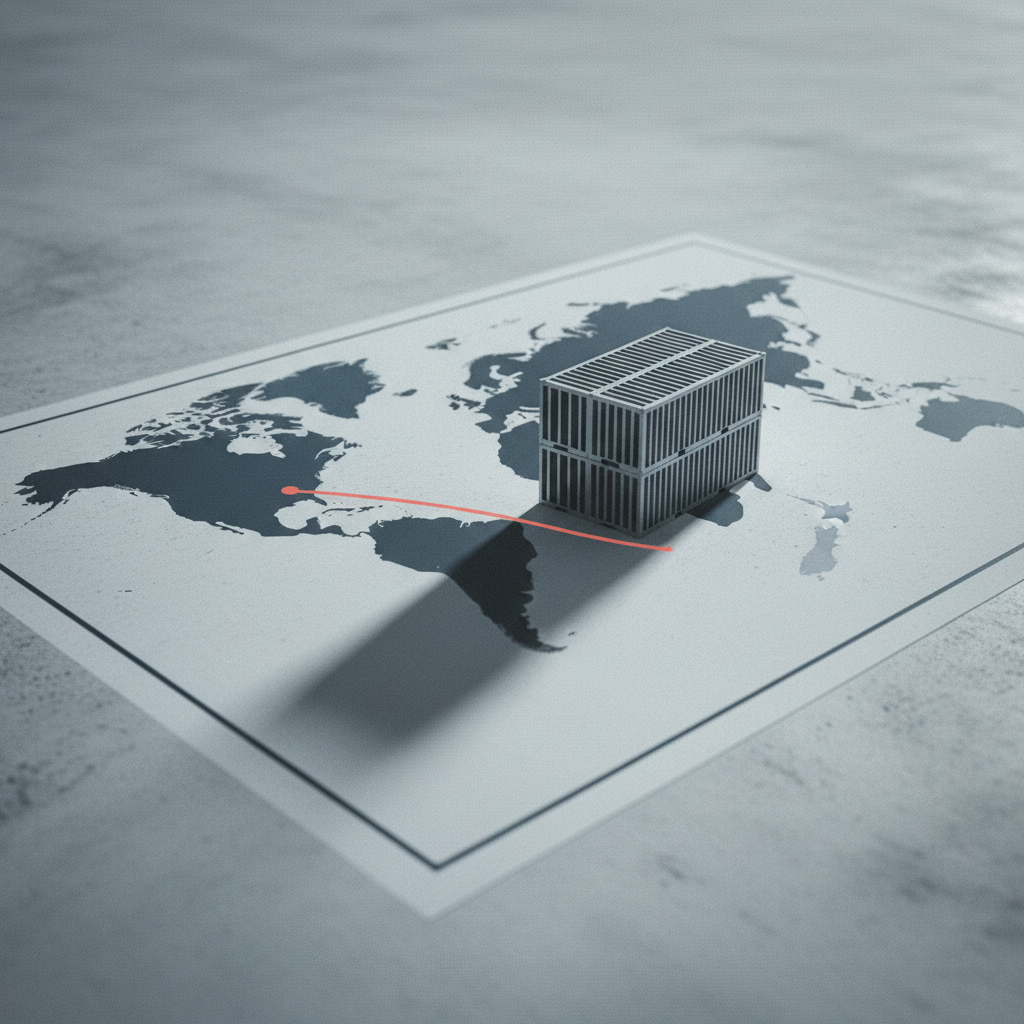
- •The primary risk identified is disruption to global shipping routes, impacting freight into New Zealand.
- •Anticipated consequences include potential surcharges on imported goods.
- •This proactive planning indicates a recognition of the direct link between geopolitical events and retail operations.
- •Source: NZ Herald - Business, 27 March 2026.
Why It Matters for NZ Marketers
- •New Zealand's isolated geographic position makes it highly dependent on stable international shipping lanes for imported goods.
- •Increased shipping costs translate directly into higher retail prices, impacting consumer spending and inflation in NZ.
- •Supply chain instability can lead to stockouts, reduced product availability, and missed sales opportunities for local retailers.
- •For marketers, this means potential shifts in promotional strategies, focusing on available stock rather than aspirational ranges.
- •Small to medium-sized NZ businesses, lacking the scale of The Warehouse Group, may be disproportionately affected by rising freight costs.
- •Consumer confidence could be eroded by persistent product shortages or price hikes, influencing purchasing behaviour.
Strategic Implications
- •Marketers must prepare for potential product availability issues and adjust campaign messaging accordingly, possibly highlighting local alternatives or existing stock.
- •Retailers should explore diversifying their supply chains, potentially sourcing from multiple regions or increasing local procurement.
- •Pricing strategies may need to incorporate potential freight surcharges, requiring clear communication to consumers about cost drivers.
- •Investment in inventory management and forecasting technologies becomes critical to mitigate disruption impacts.
- •Brands should consider building stronger relationships with logistics partners to secure capacity and favourable terms during volatile periods.
- •Communication plans are essential to manage customer expectations regarding delivery times and product availability.
Future Trend Signals
- •Increased focus on supply chain resilience and diversification will become a core strategic imperative for NZ businesses.
- •Nearshoring or reshoring production will gain traction as companies seek to reduce reliance on distant, vulnerable supply routes.
- •Greater transparency in pricing, explaining cost increases due to external factors, may become a necessary marketing approach.
- •The integration of geopolitical risk assessment into marketing and business planning will become standard practice.
Sources
Editorial note: This analysis is original, AI-assisted editorial content. All source material is attributed with links. No full articles are reproduced. Short excerpts are used under fair dealing principles.
Related Analysis
More posts sharing similar topics
Retail MediaAI & Commerce
Fuel Costs Drive Accelerated EV Adoption in New Zealand
Retail MediaAI & Commerce
Fuel Cost Surge: Diesel Price Hike Pressures NZ Supply Chains and Consumer Spending
Retail MediaAI & Commerce
NZX Resilience Amidst Australian Rate Hike Signals Stable Marketing Landscape
Retail MediaAI & Commerce
Rising Production Costs Threaten NZ Manufacturing, Impacting Consumer Markets
Retail MediaAI & Commerce