
NZ Media News
Back to latest




Fuel Costs Drive Accelerated EV Adoption in New Zealand
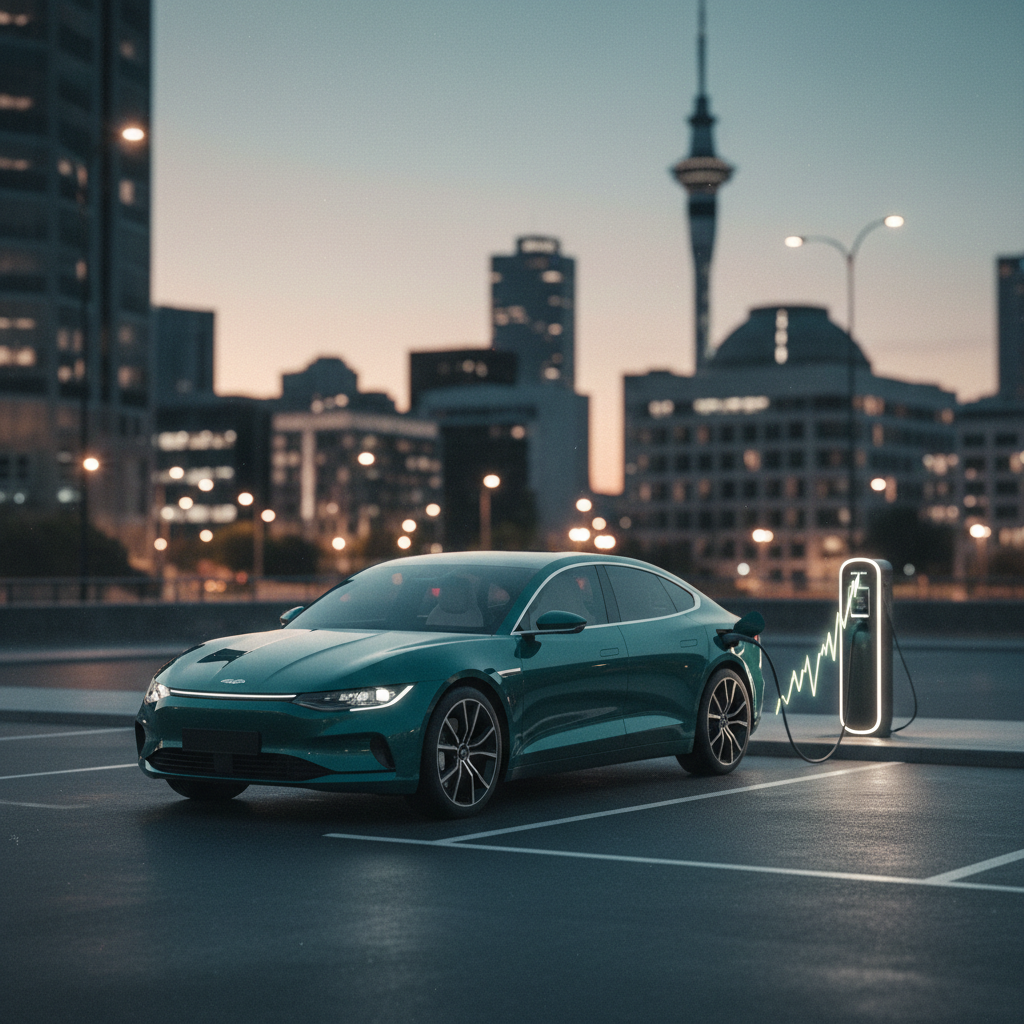
Recent data indicates a significant surge in electric and plug-in hybrid vehicle sales across New Zealand, with over 1000 units sold in a single week. This rapid uptake is primarily attributed to escalating petrol prices, prompting shifts in consumer purchasing behaviour and raising calls for policy adjustments.
What Happened
- •Over 1000 electric vehicles (EVs) and plug-in hybrids (PHEVs) were sold in New Zealand within one week, as reported on 25 March 2026.
- •This sales surge is directly linked to a substantial increase in petrol prices nationwide.
- •A leading EV brand experienced a sell-out of its stock due to heightened demand.
- •An industry lobby group is advocating for reduced road user charges specifically for EV owners.
- •The rapid sales indicate a growing consumer preference for alternative fuel vehicles.
- •The market response suggests a tipping point in EV adoption influenced by economic factors.
Why It Matters for NZ Marketers
- •New Zealand's automotive sector faces accelerated demand shifts, requiring agile inventory and marketing strategies for EVs.
- •Energy providers must prepare for increased electricity demand and charging infrastructure needs as EV numbers grow.
- •Financial services and insurance companies can develop tailored products for EV owners, reflecting lower running costs or specific risks.
- •Retailers and urban planners should consider EV charging solutions as a critical amenity for customers and residents.
- •The government's policy on road user charges for EVs will directly impact consumer incentives and adoption rates.
- •This trend highlights a major consumer values shift towards sustainability and cost-efficiency in transport choices for New Zealanders.
Strategic Implications
- •Automotive marketers must pivot messaging to highlight total cost of ownership and environmental benefits over upfront price.
- •Brands can explore partnerships with charging infrastructure providers to offer integrated solutions or loyalty programmes.
- •Marketers should segment audiences based on petrol price sensitivity and environmental consciousness to target EV prospects effectively.
- •Retail experiences need to evolve, offering education and test drives that demystify EV technology and address range anxiety.
- •Advocacy efforts for favourable EV policies (e.g., RUC exemptions) can shape market conditions and consumer sentiment.
- •Consider the 'halo effect' of sustainability; brands associated with EV adoption may enhance their eco-friendly image.
Future Trend Signals
- •Continued volatility in fossil fuel prices will likely accelerate the transition to electric transport.
- •Policy debates around EV incentives and infrastructure funding will intensify, shaping market growth.
- •The integration of smart home energy solutions with EV charging will become a key consumer value proposition.
- •New business models will emerge around battery swapping, subscription services, and second-life battery applications.
Sources
Editorial note: This analysis is original, AI-assisted editorial content. All source material is attributed with links. No full articles are reproduced. Short excerpts are used under fair dealing principles.
Related Analysis
More posts sharing similar topics
Retail MediaAI & Commerce
Inflation Surprise: NZ Sharemarket Reaction Signals Shifting Consumer Landscape
Retail MediaAI & Commerce
Global Tensions Drive Local Cost-Cutting for NZ Businesses
Retail MediaAI & Commerce
Geopolitical Tensions Drive Inflation Spike, Crushing Consumer Confidence
Retail MediaAI & Commerce
ANZ Forecasts OCR Hikes: What It Means for NZ Marketers
Retail MediaAI & Commerce