
NZ Media News
Back to latest




Brand AI Agents Integrate into Publisher Chatbots, Reshaping Commerce
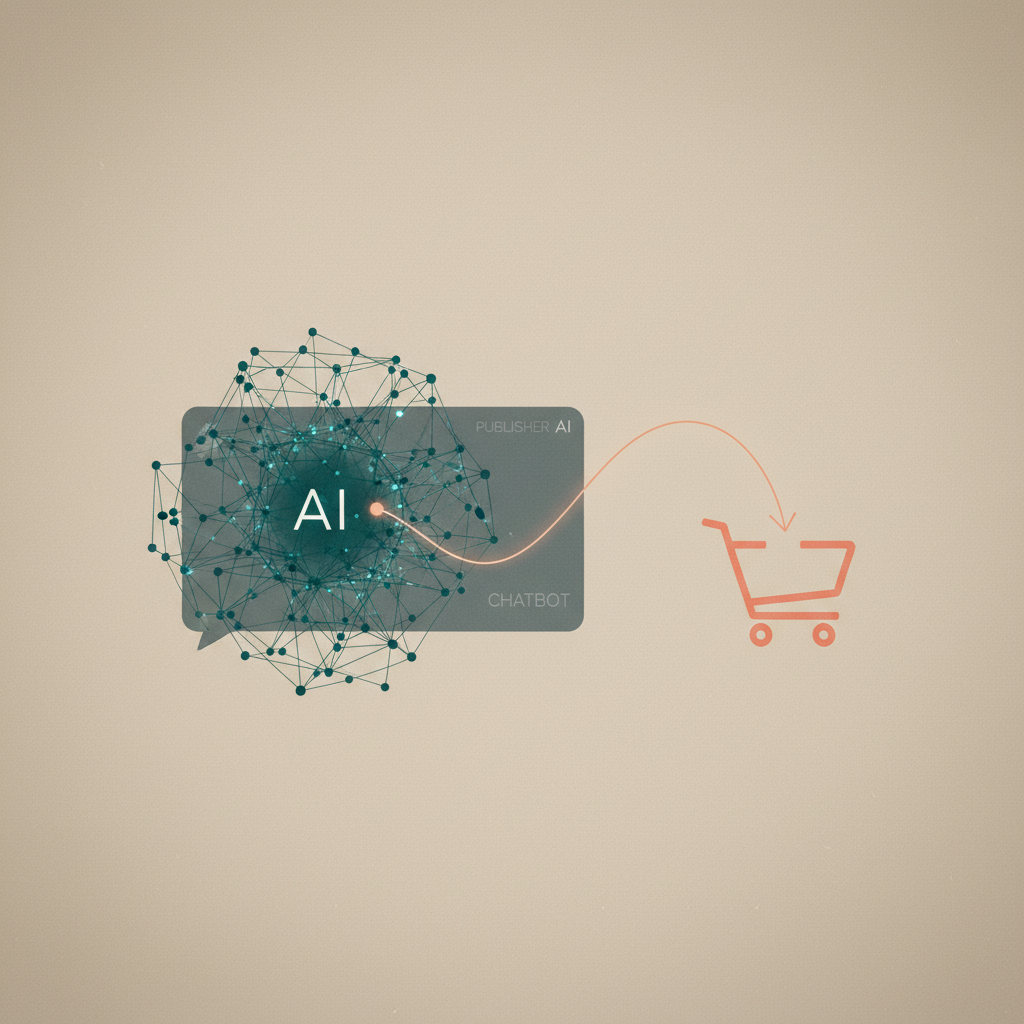
A new industry development allows brands to deploy their own AI-powered agents directly within third-party publisher chatbots, moving beyond proprietary platforms. This innovation, spearheaded by companies like Dappier, enables brands to offer personalised shopping assistance and product discovery experiences off-site. It signals a significant shift in how brands can engage consumers at various digital touchpoints.
What Happened
- •AI monetization platform Dappier announced a service enabling brands to deploy their own AI shopping agents within publisher chatbots (AdExchanger, 27 April 2026).
- •This initiative moves brand AI agents beyond a brand's owned channels or major retail platforms like Walmart and Amazon.
- •The technology facilitates personalised product recommendations and conversational commerce directly on publisher sites.
- •It allows brands to maintain control over their AI agent's functionality and brand voice within external environments.
- •This represents an evolution in retail media, extending brand presence and engagement capabilities.
- •The trend builds on the success of established AI shopping agents such as Walmart's 'Sparky' and Amazon's 'Rufus'.
Why It Matters for NZ Marketers
- •NZ marketers can now consider extending their brand's AI-driven customer service and sales capabilities beyond their own websites.
- •This opens new avenues for retail media strategies, allowing brands to engage consumers directly on popular NZ news, lifestyle, or niche publisher sites.
- •It provides an opportunity for smaller NZ brands to compete by offering sophisticated, personalised shopping experiences without needing proprietary platform development.
- •Enhanced data collection opportunities could emerge from these interactions, offering deeper insights into NZ consumer preferences.
- •Early adoption could provide a competitive advantage in a market where personalised digital experiences are increasingly expected by NZ consumers.
- •Content publishers in NZ may find new monetisation models by hosting brand-specific AI agents, creating new partnership opportunities.
Strategic Implications
- •Develop a clear strategy for brand AI agent deployment, defining its purpose, personality, and integration points.
- •Prioritise partnerships with relevant NZ publishers whose audience aligns with target customer segments.
- •Invest in robust AI training data specific to NZ product catalogues and consumer language patterns.
- •Ensure seamless handover mechanisms between the publisher's chatbot, the brand's AI agent, and human customer service.
- •Evaluate the ROI of off-platform AI agent deployment, considering engagement metrics, conversion rates, and data insights.
- •Address data privacy and compliance considerations for AI agent interactions within third-party environments.
Future Trend Signals
- •The decentralisation of AI commerce, with brand agents operating across a fragmented digital landscape.
- •Increased convergence of content, commerce, and conversational AI, blurring traditional marketing channels.
- •A shift towards 'agent-to-consumer' (A2C) interactions as a primary mode of brand engagement.
- •Publisher sites evolving into sophisticated commerce hubs, powered by integrated brand AI.
Sources
Editorial note: This analysis is original, AI-assisted editorial content. All source material is attributed with links. No full articles are reproduced. Short excerpts are used under fair dealing principles.
Related Analysis
More posts sharing similar topics
Retail MediaAI & Commerce
NZ Marketers Face 'Ship It' Hurdle in Commerce Media Execution
Retail MediaAI & Commerce
OpenAI Introduces Tracking Pixel Amidst Amazon Ad Boycott Fallout
Retail MediaAI & Commerce
Meta Quest Price Hikes Signal VR Market Volatility for NZ Marketers
Retail MediaAI & Commerce
Walmart-Vizio Integration Signals New Era for Retail Media and CTV
Retail MediaAI & Commerce