
NZ Media News
Back to latest




Volkswagen's US EV Retreat: A Warning for NZ Automotive Marketing?
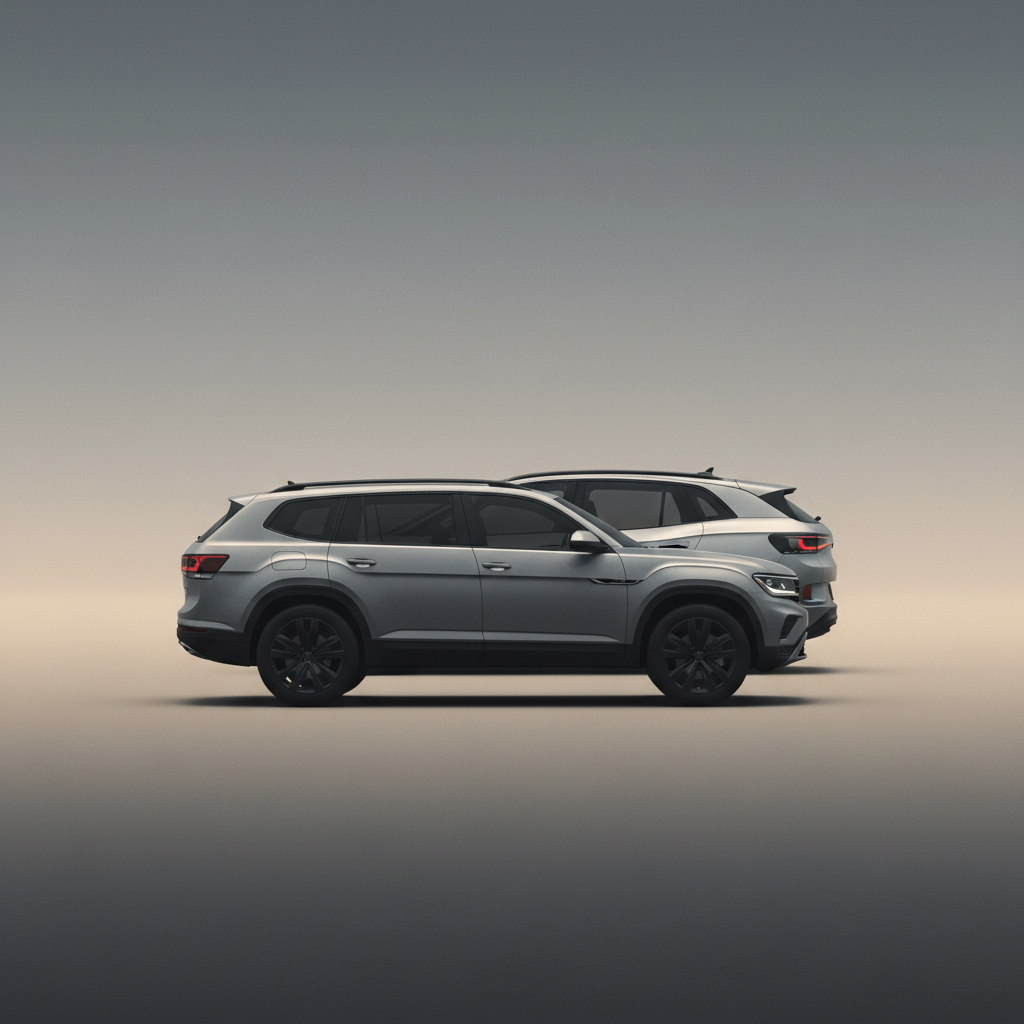
Volkswagen is discontinuing its all-electric ID.4 model in the US market, reallocating resources to focus on internal combustion engine (ICE) SUVs. This strategic pivot, driven by market demand, signals potential shifts in consumer sentiment and production priorities that New Zealand automotive marketers should closely observe.
What Happened
- •Volkswagen has ceased production of its all-electric ID.4 SUV for the US market, effective 9 April 2026.
- •The US factory's entire capacity will now be dedicated to producing the upcoming Atlas internal combustion engine (ICE) SUV.
- •This move represents a strategic shift by Volkswagen away from electric vehicles in a key global market.
- •The decision is attributed to a reassessment of market demand and production efficiencies.
- •Source: TechCrunch, 9 April 2026.
Why It Matters for NZ Marketers
- •While NZ's EV adoption is incentivised, a major manufacturer's US pivot suggests potential global demand fluctuations for electric vehicles.
- •NZ automotive marketers should monitor if this signals a broader industry re-evaluation of EV timelines or consumer preferences for ICE alternatives.
- •It could impact the availability or pricing of certain EV models in NZ if global production priorities shift away from electric.
- •This highlights the importance of understanding specific local market dynamics versus global trends, especially concerning government incentives and infrastructure.
- •NZ dealerships may need to adjust inventory strategies if manufacturers globally de-prioritise EV production in favour of ICE models.
Strategic Implications
- •Marketers must maintain agility, ready to adapt campaigns and product positioning based on evolving consumer sentiment and manufacturer strategies.
- •Diversify marketing messages to appeal to both EV enthusiasts and those still preferring ICE vehicles, reflecting a potentially mixed market.
- •Invest in robust market research to accurately gauge local NZ consumer demand for EVs versus traditional vehicles, rather than solely relying on global forecasts.
- •Collaborate closely with manufacturers to understand their long-term product roadmaps and potential supply chain impacts for the NZ market.
- •Emphasise value propositions beyond just environmental benefits, such as performance, range, and convenience, for both EV and ICE offerings.
Future Trend Signals
- •Potential for a more staggered and nuanced global EV transition, rather than a linear, rapid acceleration.
- •Increased focus on hybrid technologies as a bridge solution, offering a compromise between full EV and ICE.
- •Manufacturers may prioritise profitability and immediate market demand over aggressive electrification targets in certain regions.
- •The interplay between government policy, infrastructure development, and consumer readiness will critically shape future automotive market dynamics.
Sources
Editorial note: This analysis is original, AI-assisted editorial content. All source material is attributed with links. No full articles are reproduced. Short excerpts are used under fair dealing principles.
Related Analysis
More posts sharing similar topics
Retail MediaAI & Commerce
AI Transforms Retail: Optimising Stock and Customer Engagement
Retail MediaAI & Commerce
NZ Retailers Eye Digital Rebates Amidst Shifting Consumer Spend
Retail MediaAI & Commerce
Apple's Latest Devices: Implications for NZ Consumer Tech and Marketing
Retail MediaAI & Commerce
NZ's Secondhand Market Boom: Opportunities and Challenges for Marketers
Retail MediaAI & Commerce