
NZ Media News
Back to latest



AI Transforms Retail: Optimising Stock and Customer Engagement
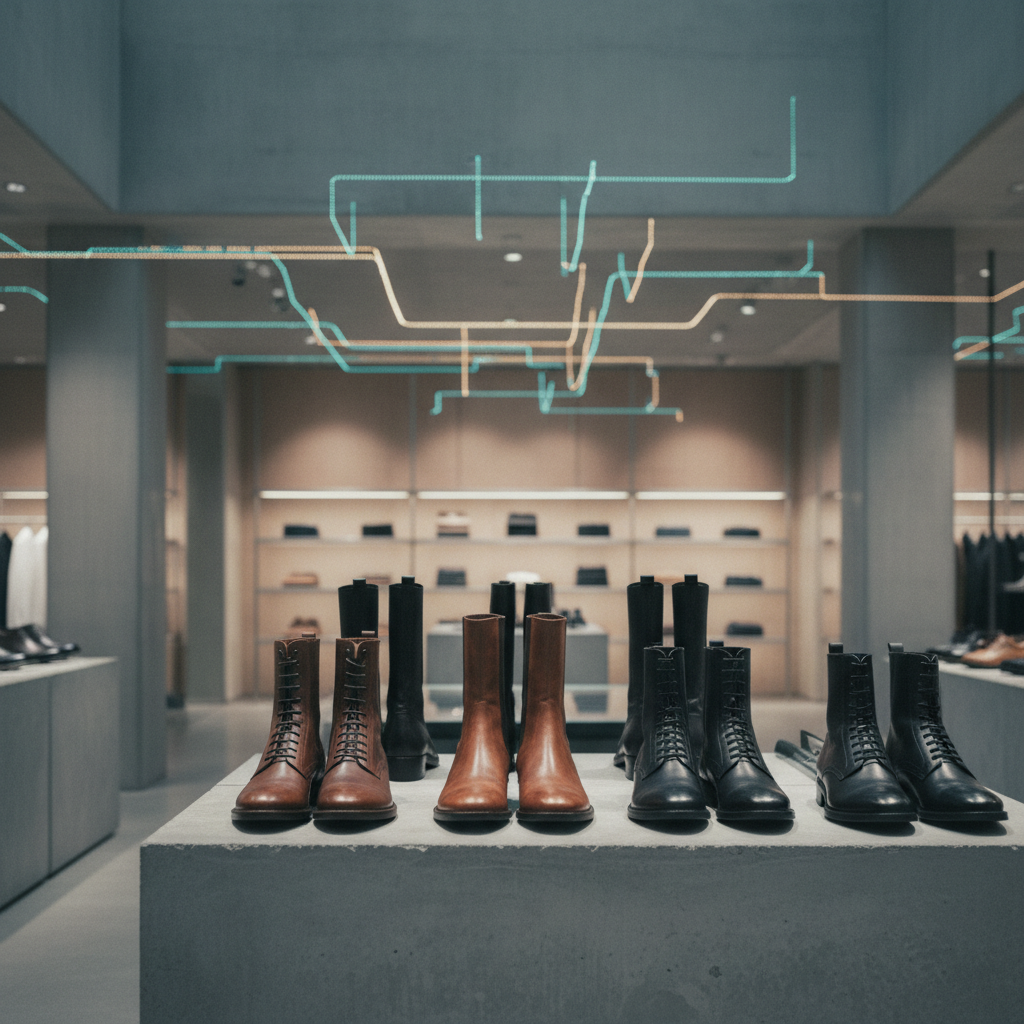
US boot retailer Tecovas is integrating artificial intelligence to enhance its in-store operations, focusing on inventory management and enriching customer-associate interactions. This strategic deployment aims to streamline back-end logistics while elevating the front-end shopping experience, providing a blueprint for modern retail. The initiative highlights AI's growing role in physical retail environments.
What Happened
- •Tecovas, a US boot brand, is implementing AI technology within its physical retail stores.
- •The AI is primarily used to improve inventory replenishment processes, ensuring optimal stock levels.
- •It also aids in more efficient product allocation across various store locations.
- •A key objective is to facilitate superior interactions between store associates and customers.
- •This integration aims to enhance the overall in-store customer experience through operational efficiency.
- •The technology addresses both logistical challenges and customer-facing service improvements.
Why It Matters for NZ Marketers
- •NZ retailers, particularly those with multiple physical locations, can leverage AI for better stock management and reduced waste.
- •Improved inventory insights can lead to more targeted marketing campaigns for specific store locations in New Zealand.
- •Enhanced customer service through AI-assisted associates could differentiate NZ brands in a competitive market.
- •Local supply chain complexities in New Zealand, including import challenges, could be mitigated by predictive AI for stock.
- •Smaller NZ retailers might find scalable AI solutions accessible, democratising advanced retail tech.
- •Consumer expectations for seamless shopping experiences are rising in NZ, making such tech crucial for loyalty.
Strategic Implications
- •Prioritise AI investment in areas that directly impact both operational efficiency and customer satisfaction.
- •Develop a data strategy to feed AI models effectively, ensuring accurate predictions for inventory and customer behaviour.
- •Train retail staff to effectively utilise AI tools, transforming them from transactional roles to consultative experts.
- •Explore AI-driven personalisation in-store, moving beyond online recommendations to physical interactions.
- •Evaluate AI's potential to reduce overheads related to manual inventory checks and stock-outs.
- •Consider pilot programmes for AI implementation in specific stores before a wider rollout.
Future Trend Signals
- •AI will increasingly become an invisible layer powering seamless physical retail operations.
- •The role of the retail associate will evolve, becoming more strategic and customer-centric, supported by AI tools.
- •Hyper-localised inventory and merchandising will become standard, driven by AI's predictive capabilities.
- •Data privacy and ethical AI usage in customer interactions will be paramount for consumer trust.
Sources
Editorial note: This analysis is original, AI-assisted editorial content. All source material is attributed with links. No full articles are reproduced. Short excerpts are used under fair dealing principles.
Related Analysis
More posts sharing similar topics
Retail MediaAI & Commerce
Gap Inc. Accelerates AI Integration for Enhanced E-commerce Experience
Retail MediaAI & Commerce
Reddit Enhances Ad Tools, Paving Way for Targeted NZ E-commerce
Retail MediaAI & Commerce
Apple Music and Ticketmaster Link Up: A New Era for Concert Discovery
Retail MediaAI & Commerce
Digital Tools for Trade Professionals: A New Frontier for NZ Retailers
Retail MediaAI & Commerce