
NZ Media News
Back to latest


Marsden Point's Fuel Storage Expansion: A Strategic Imperative for NZ Marketers
Channel Infrastructure's proposal to significantly boost fuel storage at Marsden Point signals a critical national conversation about supply chain resilience. This potential expansion impacts long-term economic stability, influencing operational costs and consumer confidence for businesses across New Zealand.
What Happened
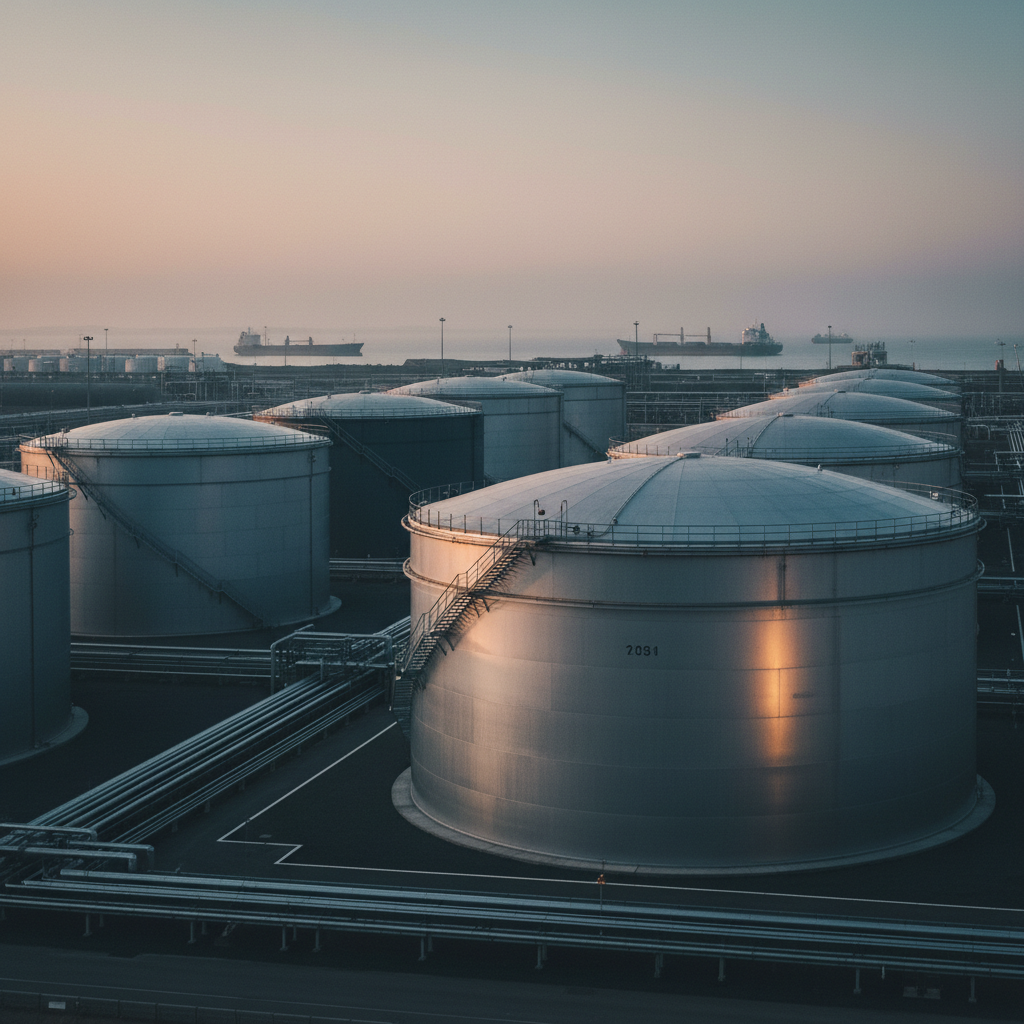
- •Channel Infrastructure's CEO stated Marsden Point has the capacity to store an additional 350 million litres of fuel.
- •This proposed expansion would nearly double the existing storage, which currently holds 300 million litres of imported refined fuel.
- •The additional capacity aims to enhance New Zealand's energy security and reduce reliance on just-in-time supply chains.
- •The initiative involves repurposing existing infrastructure at the former refinery site for expanded storage.
- •The discussion highlights a strategic shift towards greater domestic fuel reserves following the closure of the refinery.
- •This information was reported by NZ Herald - Business on 19 March 2026.
Why It Matters for NZ Marketers
- •Increased fuel security can mitigate price volatility, offering more predictable operational costs for NZ businesses reliant on transport and logistics.
- •Enhanced supply chain resilience reduces the risk of fuel shortages, preventing disruptions to retail, manufacturing, and service sectors.
- •Greater energy independence could bolster national economic confidence, influencing investment decisions and consumer spending.
- •Marketers need to understand the long-term cost implications for distribution and delivery, potentially impacting pricing strategies.
- •It signals a national focus on infrastructure and resilience, which can affect government spending and policy relevant to business operations.
- •This move could stabilize the cost of goods for consumers, indirectly impacting disposable income and purchasing power.
Strategic Implications
- •Factor potential long-term fuel price stability into budgeting and forecasting for marketing campaigns and product distribution.
- •Develop contingency plans for supply chain disruptions, even with improved national reserves, considering external global factors.
- •Communicate resilience and stability to consumers if your brand's operations benefit directly from enhanced national infrastructure.
- •Evaluate opportunities for sustainable logistics solutions, as fuel security discussions often intertwine with broader energy transition goals.
- •Consider the public perception of national security and resilience in brand messaging, particularly for essential services or goods.
- •Monitor infrastructure investments as they can unlock new regional economic growth, creating new market opportunities.
Future Trend Signals
- •A growing national emphasis on supply chain resilience and strategic reserves across various essential goods, not just fuel.
- •Increased government and private sector collaboration on critical national infrastructure projects.
- •Potential for more stable, albeit potentially higher, baseline energy costs as security takes precedence over pure efficiency.
- •A shift towards localizing critical resources and reducing dependence on volatile international markets.
Sources
Editorial note: This analysis is original, AI-assisted editorial content. All source material is attributed with links. No full articles are reproduced. Short excerpts are used under fair dealing principles.
Related Analysis
More posts sharing similar topics
AI & CommercePolitics
US AI Deregulation Stance Signals Global Policy Shift
AI & CommercePolitics
Fuel Price Hikes: Navigating the Impact on NZ Consumer Spending and Logistics
AI & CommercePolitics
AI Infrastructure in NZ Faces Hurdles: Implications for Marketers
AI & CommercePolitics
Ageism in Education Funding: A Growing Challenge for NZ's Mature Workforce
AI & CommercePolitics