
NZ Media News
Back to latest




Amazon's Robot Acquisition Signals Future of Last-Mile Logistics
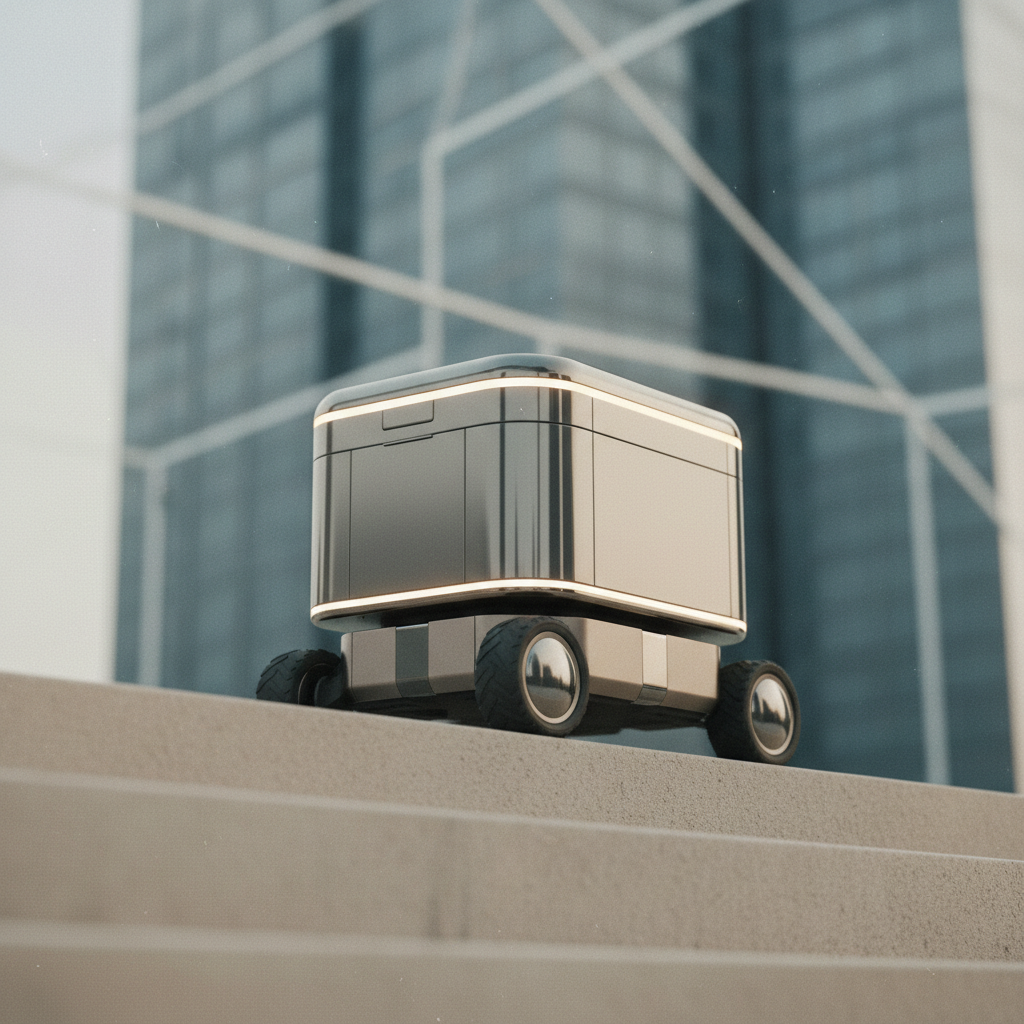
Amazon has acquired Rivr, a startup specialising in stair-climbing delivery robots, deepening its investment in automated last-mile solutions. This move underscores a global push towards enhancing delivery efficiency and overcoming complex urban logistics challenges through robotics.
What Happened
- •Amazon acquired Rivr, a company known for developing stair-climbing delivery robots, on 19 March 2026.
- •Both Amazon and its founder, Jeff Bezos, had previously invested in Rivr.
- •The acquisition integrates advanced robotic technology capable of navigating multi-level environments into Amazon's logistics network.
- •This move aims to enhance the efficiency and reach of automated parcel delivery, particularly in dense urban areas.
- •The acquisition signals Amazon's continued commitment to robotic innovation in its supply chain.
- •Rivr's technology addresses a significant challenge in last-mile delivery: vertical movement.
Why It Matters for NZ Marketers
- •NZ's fragmented urban and suburban landscapes, with many multi-story dwellings, present similar last-mile delivery challenges.
- •Increased automation could pressure local delivery services to innovate or face competitive disadvantages from international players.
- •NZ marketers selling physical goods online will need to consider evolving delivery expectations and potential new service offerings.
- •The potential for reduced delivery costs and increased speed could reshape consumer expectations for e-commerce in New Zealand.
- •This could spur local investment or partnerships in robotics and logistics innovation within the NZ market.
- •Sustainability benefits from electric robots might resonate with environmentally conscious NZ consumers.
Strategic Implications
- •Marketers should prepare for a future where delivery speed and precision become even more critical competitive differentiators.
- •Brands need to evaluate their supply chain resilience and explore how automation could integrate into their own delivery strategies.
- •Consider how advanced delivery options could be leveraged in marketing messages to highlight convenience and innovation.
- •Investigate partnerships with logistics providers exploring robotic or automated delivery solutions to stay competitive.
- •Anticipate shifts in consumer behaviour driven by new delivery capabilities, such as increased online purchasing frequency.
- •Evaluate the potential for brand differentiation through unique, automated delivery experiences.
Future Trend Signals
- •The acceleration of robotic integration into all aspects of the supply chain, from warehousing to last-mile delivery.
- •A growing focus on 'vertical logistics' solutions to efficiently serve multi-level residential and commercial buildings.
- •Increased competition in the delivery sector, driven by technological advancements and automation.
- •The blurring lines between e-commerce platforms and their logistics capabilities, leading to more integrated service offerings.
Sources
Editorial note: This analysis is original, AI-assisted editorial content. All source material is attributed with links. No full articles are reproduced. Short excerpts are used under fair dealing principles.
Related Analysis
More posts sharing similar topics
Retail MediaAI & Commerce
Rising Mortgage Rates Signal Tightening Consumer Spend for NZ Marketers
Retail MediaAI & Commerce
Lowe's AI Assistant Mylow: A Blueprint for Personalised Retail Engagement
Retail MediaAI & Commerce
Amazon's Healthcare AI Signals Broader Customer Service Transformation
Retail MediaAI & Commerce
NZ's 24/7 Commerce Gap: A Market Opportunity or Cultural Barrier?
Retail MediaAI & Commerce