
NZ Media News
Back to latest




Auckland's March Traffic Shifts: New Opportunities for Marketers
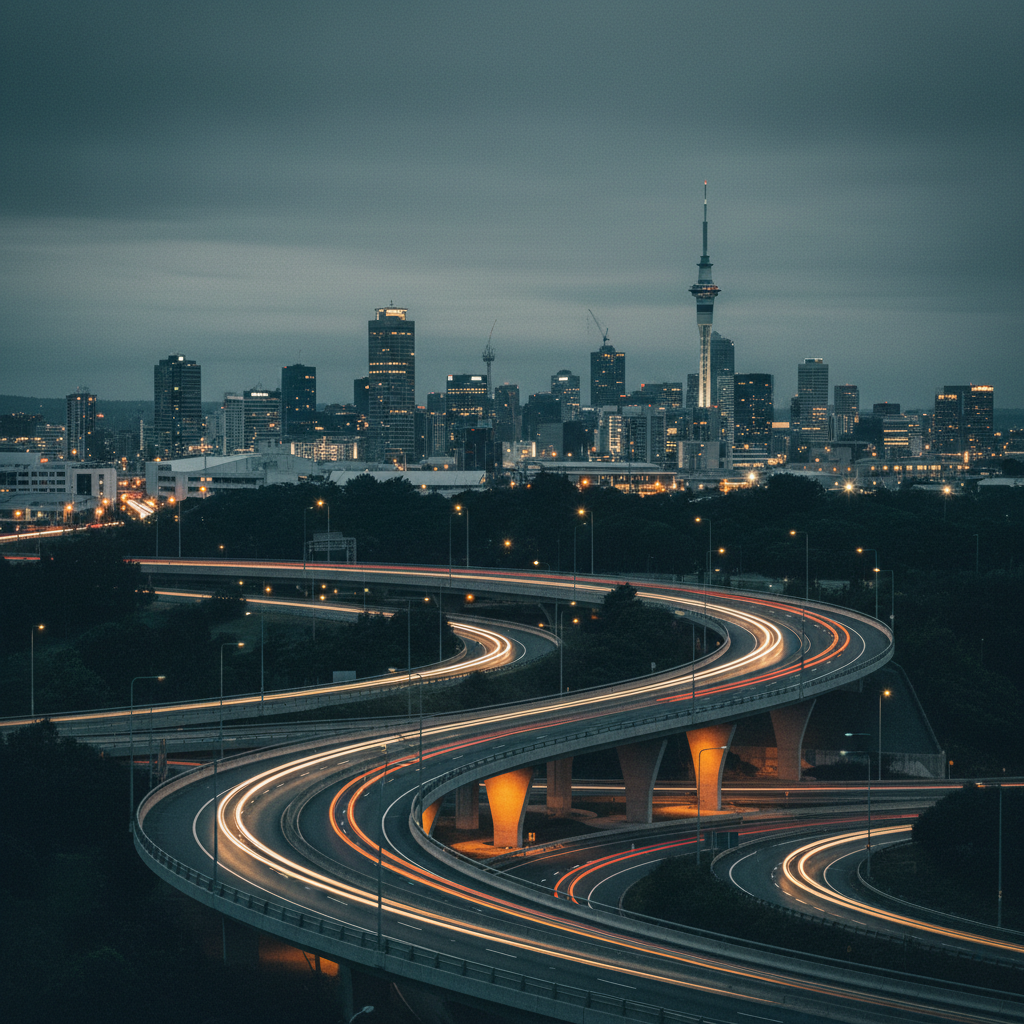
Auckland's notoriously congested March traffic patterns may be evolving, potentially altering commuter behaviour and urban dynamics. This shift presents both challenges and new strategic avenues for New Zealand marketers to engage with audiences.
What Happened
- •March is historically identified as Auckland's most congested month for road traffic.
- •The article suggests this annual 'March madness' could be diminishing or changing.
- •The phenomenon involves a high volume of drivers attempting to use major routes simultaneously.
- •The underlying causes for this specific March peak are varied and often anecdotal.
- •Potential changes in traffic flow could impact daily routines for a significant portion of Auckland's population.
- •This observation comes from an article published on 8 March 2026, discussing current and potential future traffic conditions.
Why It Matters for NZ Marketers
- •Changes in commuter times directly affect exposure to Out-of-Home (OOH) advertising, requiring re-evaluation of media placements.
- •Altered traffic flow can influence foot traffic to retail locations, particularly those reliant on passing trade or commuter stops.
- •Peak online engagement times for mobile users may shift if commute durations or patterns change.
- •Marketers relying on radio advertising during peak drive times will need to monitor audience listening habits.
- •Understanding new traffic patterns can inform localised marketing efforts and event planning for Auckland-based businesses.
- •The perceived 'worst month' stigma could be an opportunity for brands to offer solutions or promotions related to easing commuter stress.
Strategic Implications
- •Re-evaluate Digital Out-of-Home (DOOH) screen placements and scheduling based on updated traffic data and commuter routes.
- •Optimise retail media strategies by aligning promotions with new peak foot traffic hours or days.
- •Develop dynamic content for digital channels that adapts to real-time traffic conditions or predicted changes in commuter behaviour.
- •Consider hyper-localised campaigns targeting specific areas or transport hubs experiencing significant shifts.
- •Invest in data analytics to track changes in consumer movement and adjust media spend accordingly.
- •Explore partnerships with transport apps or services to reach commuters with relevant messages during their journeys.
Future Trend Signals
- •Increased reliance on real-time data for OOH and localised digital advertising planning.
- •Greater integration of transport infrastructure changes into marketing strategy development.
- •The rise of 'commute-centric' marketing solutions that adapt to individual travel patterns.
- •Potential for brands to play a more active role in urban planning discussions by understanding consumer movement.
Sources
Editorial note: This analysis is original, AI-assisted editorial content. All source material is attributed with links. No full articles are reproduced. Short excerpts are used under fair dealing principles.
Related Analysis
More posts sharing similar topics
Retail MediaAI & Commerce
NZ Consumer Spending Stalls: Marketers Face Tightened Budgets Amidst Weak GDP
Retail MediaAI & Commerce
NZ Economic Outlook Shifts: Marketers Face Persistent Inflation and Stagnant Growth
Retail MediaAI & Commerce
NZ Economic Headwinds: Inflation Rises, Markets Dip, Consumer Spending Under Scrutiny
Retail MediaAI & Commerce
Trans-Tasman Retail Media Alliance Signals Integrated Marketing Future
Retail MediaAI & Commerce