
NZ Media News
Back to latest




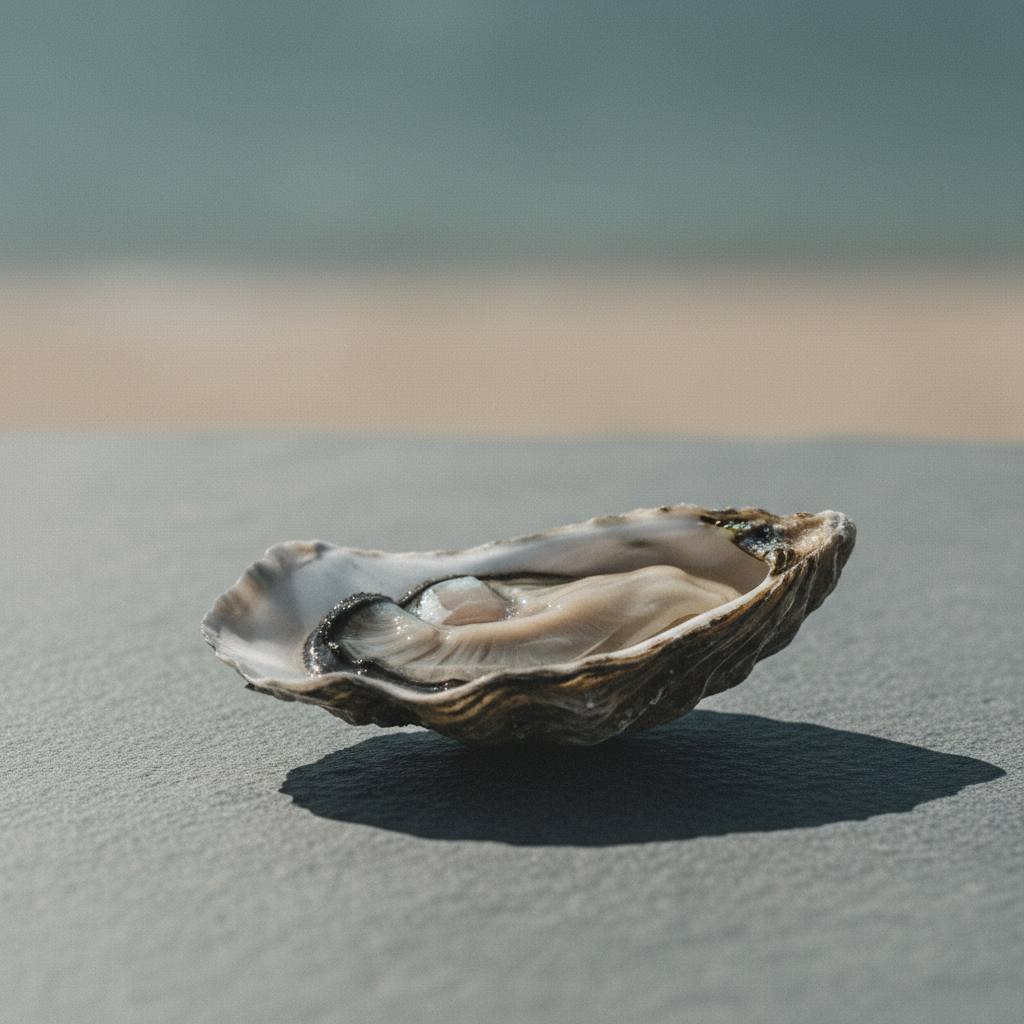
Bluff Oyster Season Faces Headwinds: Supply Challenges Impact Premium NZ Brand
The 2026 Bluff oyster season is marked by significant supply constraints and a cautious outlook, impacting a cornerstone of New Zealand's premium food identity. Industry stakeholders, including Ngāi Tahu, are implementing measures to manage the resource, signalling a shift in market dynamics for this iconic product.
What Happened
- •Officials have advised a 'cautionary approach' to the 2026 Bluff oyster harvesting season due to resource concerns.
- •Ngāi Tahu has extended its pause on harvesting, indicating a commitment to sustainable management.
- •Industry bodies acknowledge that 2026 is shaping up to be a 'difficult season' for Bluff oyster supply.
- •Bluff oysters are traditionally harvested from Foveaux Strait between March and August each year.
- •The product is a highly valued, premium New Zealand food item.
- •Source: The Spinoff, 17 March 2026.
Why It Matters for NZ Marketers
- •Reduced supply will likely drive up prices for consumers and hospitality businesses across New Zealand.
- •NZ tourism and hospitality sectors, which leverage Bluff oysters as a premium experience, face menu adjustments and potential disappointment for visitors.
- •Marketers promoting regional food experiences will need to adapt campaigns, potentially highlighting scarcity or alternative local delicacies.
- •The situation underscores the vulnerability of primary industries to environmental factors and the importance of sustainable resource management.
- •Brand perception for '100% Pure NZ' food exports could be subtly influenced by challenges to iconic products.
- •Local businesses reliant on the oyster season for seasonal revenue will experience financial impacts.
Strategic Implications
- •Marketers should proactively communicate supply challenges and pricing changes to manage customer expectations.
- •Brands should explore diversification of premium local produce offerings to reduce reliance on single, vulnerable products.
- •Develop storytelling around sustainability efforts and resource conservation, aligning with conscious consumer values.
- •Consider premiumisation strategies that justify higher prices through enhanced experience or unique product narratives.
- •Collaborate with industry bodies to support long-term resource health, fostering positive brand association.
- •Utilise digital channels to educate consumers about seasonal availability and the value of sustainable harvesting practices.
Future Trend Signals
- •Increasing emphasis on sustainable sourcing and resource management will become a critical brand differentiator.
- •Premiumisation of local, scarce products will continue, driven by demand and limited supply.
- •Brands will need to build resilience in their supply chains, anticipating environmental and regulatory shifts.
- •Consumer education on seasonality and the true cost of sustainably harvested goods will become more prevalent.
Sources
Editorial note: This analysis is original, AI-assisted editorial content. All source material is attributed with links. No full articles are reproduced. Short excerpts are used under fair dealing principles.
Related Analysis
More posts sharing similar topics
Retail MediaAI & Commerce
Amazon's Robot Acquisition Signals Future of Last-Mile Logistics
Retail MediaAI & Commerce
Wattie's Product Rationalisation Signals Evolving NZ Consumer Landscape
Retail MediaAI & Commerce
Rising Mortgage Rates Signal Tightening Consumer Spend for NZ Marketers
Retail MediaAI & Commerce
Visual AI Memory: A New Frontier for Personalised NZ Marketing
Retail MediaAI & Commerce