
NZ Media News
Back to latest




Volcanic Ash Disrupts Air Travel: A Test for NZ Brand Resilience
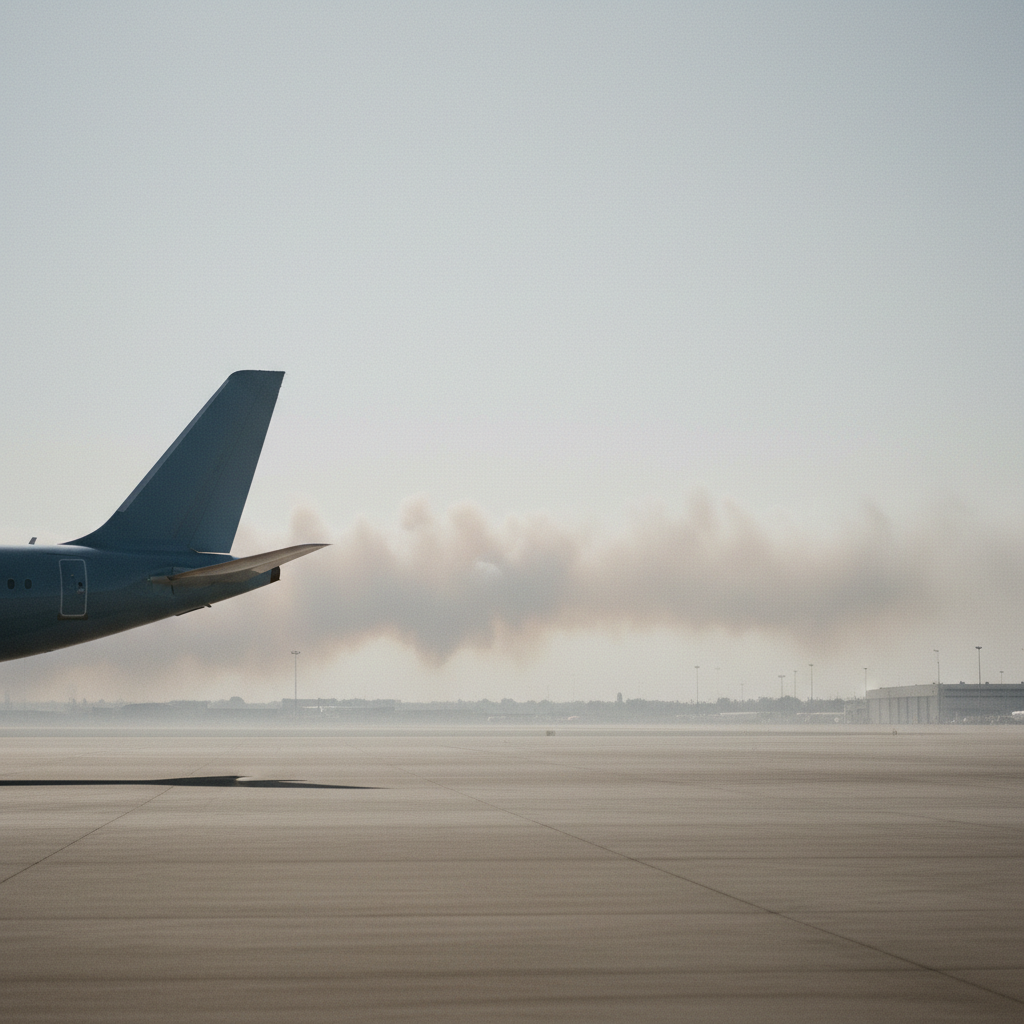
A recent volcanic ash cloud from Whakaari/White Island led to significant flight cancellations at Tauranga Airport, impacting regional travel. This event underscores the vulnerability of New Zealand's travel and tourism sectors to natural phenomena, demanding robust contingency planning from marketers.
What Happened
- •On 11 March 2026, an ash cloud originating from Whakaari/White Island caused widespread disruption to air travel.
- •Tauranga Airport experienced numerous flight cancellations, affecting at least 19 scheduled services.
- •The cancellations were a direct result of safety protocols concerning volcanic ash, which poses a hazard to aircraft engines.
- •This incident highlights the ongoing geological activity within New Zealand and its potential to impact infrastructure.
- •The disruption affected both domestic travellers and regional business operations.
- •The event was reported by NZ Herald - Business on 11 March 2026.
Why It Matters for NZ Marketers
- •New Zealand's tourism and regional economies are highly dependent on reliable air travel, making such disruptions costly.
- •Local businesses, especially those in hospitality and retail around affected airports like Tauranga, face immediate revenue losses.
- •Brand reputation for airlines and travel providers is tested during crisis management, influencing customer loyalty in a competitive market.
- •The incident underscores the need for effective crisis communication strategies tailored for geographically specific natural disasters.
- •It prompts a re-evaluation of supply chain dependencies for businesses relying on air freight within the North Island.
- •Consumer confidence in domestic travel can be temporarily shaken, requiring reassurance campaigns.
Strategic Implications
- •Marketers must develop robust crisis communication plans, including clear messaging for affected customers and stakeholders.
- •Brands should invest in flexible booking and cancellation policies to mitigate customer frustration during unforeseen events.
- •Diversifying marketing channels beyond direct travel booking platforms can help maintain engagement during disruptions.
- •Consider geo-targeted campaigns to inform and reassure local audiences during and after a regional crisis.
- •Build brand resilience through transparent communication and demonstrating empathy for disrupted customers.
- •Evaluate insurance and contingency plans for marketing budgets and campaigns that rely on stable travel conditions.
Future Trend Signals
- •Increased focus on resilient infrastructure and transport networks to withstand natural hazards.
- •Greater adoption of dynamic pricing and flexible travel options to adapt to unpredictable events.
- •Enhanced use of AI for predictive analytics in travel disruption forecasting and customer communication.
- •A growing emphasis on 'crisis-proof' marketing strategies that can pivot quickly in response to external shocks.
Sources
Editorial note: This analysis is original, AI-assisted editorial content. All source material is attributed with links. No full articles are reproduced. Short excerpts are used under fair dealing principles.
Related Analysis
More posts sharing similar topics
AI & CommercePolitics
Geopolitical Tensions Halt US Rate Cuts, Signalling Prolonged Economic Caution for NZ Marketers
AI & CommercePolitics
Fuel Price Volatility: A New Imperative for NZ Marketers
AI & CommercePolitics
AI Infrastructure in NZ Faces Hurdles: Implications for Marketers
AI & CommercePolitics
NZ Economic Outlook Shifts: Marketers Face Persistent Inflation and Stagnant Growth
AI & CommercePolitics