
NZ Media News
Back to latest



Auckland's Traffic Evolution: Implications for Marketers
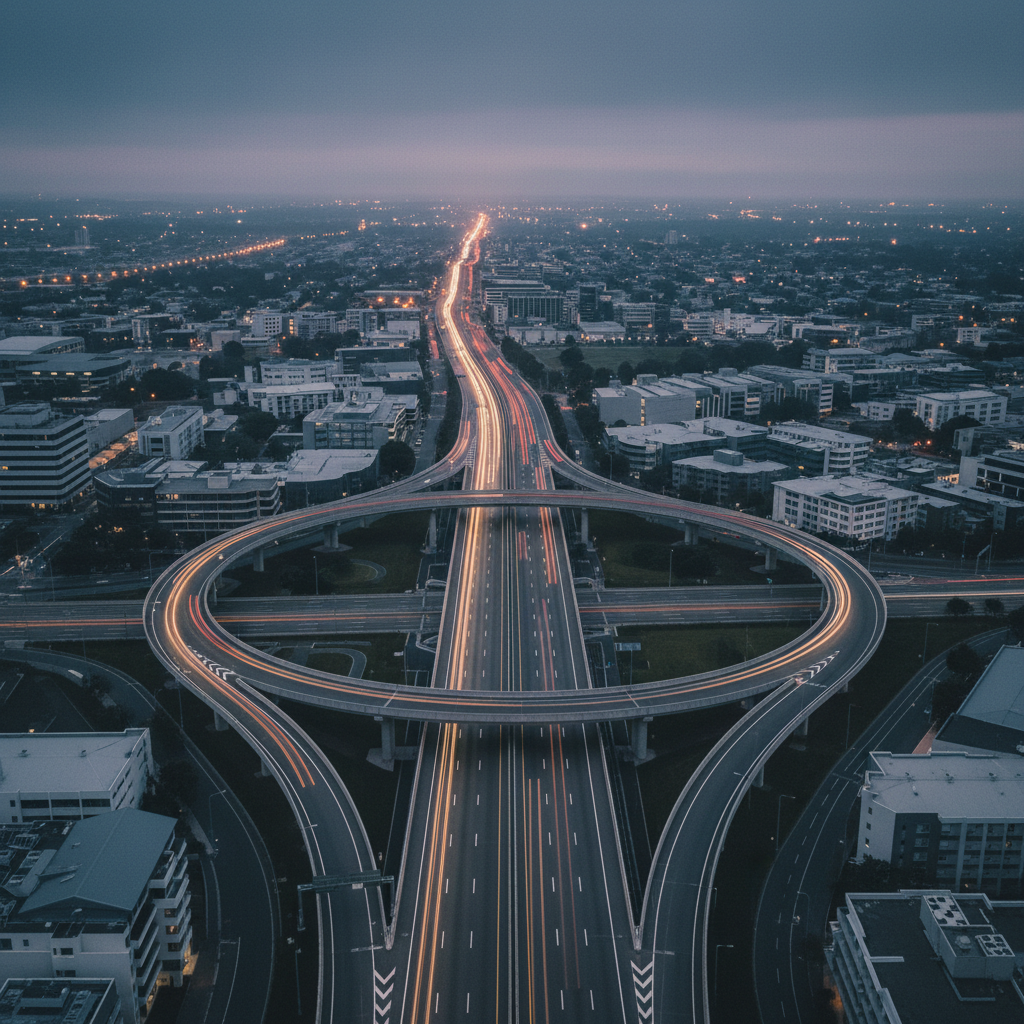
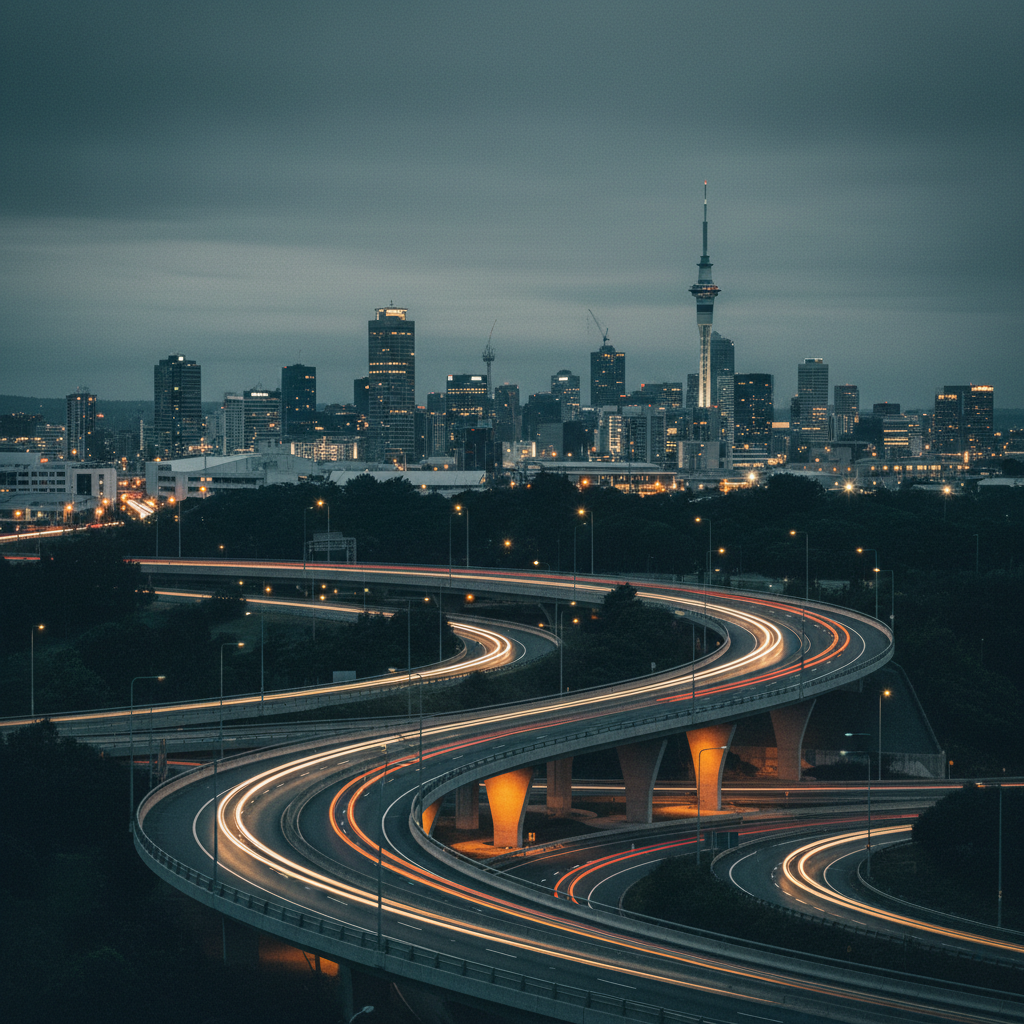
Auckland's traditionally congested March traffic patterns are facing potential disruption. This shift could significantly alter consumer behaviour and the effectiveness of traditional marketing channels, demanding strategic adaptation from NZ marketers.
What Happened
- •March is historically Auckland's most congested month for vehicle traffic, a recurring annual challenge.
- •The article suggests this 'March madness' could be nearing its end, indicating a potential change in traffic dynamics.
- •The phenomenon involves a high volume of drivers attempting to use the same routes simultaneously across the city.
- •This pattern has long been a predictable, albeit frustrating, aspect of Auckland's urban environment (The Spinoff, 8 March 2026).
Why It Matters for NZ Marketers
- •Changes in Auckland's traffic directly impact the visibility and reach of Out-of-Home (OOH) advertising placements.
- •Altered commute patterns could affect retail foot traffic, particularly for businesses reliant on passing trade during peak hours.
- •Delivery logistics and associated costs for e-commerce brands may see efficiency improvements or new challenges.
- •Marketers need to re-evaluate audience exposure to traditional media like radio during commutes if driving habits change.
- •Understanding new travel flows is crucial for localised campaigns targeting specific geographic areas within Auckland.
Strategic Implications
- •Reassess OOH media buys: Optimise placement and timing based on anticipated new traffic flows, not historical data.
- •Diversify media channels: Reduce reliance on channels heavily impacted by physical movement, exploring digital alternatives.
- •Enhance local SEO and online presence: Capture consumers who may be spending less time commuting and more time online.
- •Invest in data analytics: Monitor real-time traffic and consumer movement data to inform agile marketing decisions.
- •Adapt retail strategies: Consider adjusting store hours, staffing, or in-store experiences to align with evolving foot traffic patterns.
Future Trend Signals
- •Increased adoption of flexible work models and public transport could permanently alter urban mobility.
- •Smart city initiatives and traffic management technologies may play a larger role in shaping daily commutes.
- •A shift towards localised consumption patterns if people spend less time commuting across the city.
- •Greater demand for hyper-targeted, location-based digital advertising over broad, static OOH campaigns.
Sources
Editorial note: This analysis is original, AI-assisted editorial content. All source material is attributed with links. No full articles are reproduced. Short excerpts are used under fair dealing principles.
Related Analysis
More posts sharing similar topics
Retail MediaAI & Commerce
Trans-Tasman Retail Media Alliance Signals Integrated Marketing Future
Retail MediaAI & Commerce
Auckland's March Traffic Shifts: New Opportunities for Marketers
Retail MediaAI & Commerce
Voice Fraud's Rising Tide: A Looming Threat for NZ Retailers
Retail MediaAI & Commerce
Amazon's Healthcare AI Signals Broader Customer Service Transformation
Retail MediaAI & Commerce