
NZ Media News
Back to latest



Diesel Price Surge Signals Broad Consumer Goods Inflation for NZ Marketers
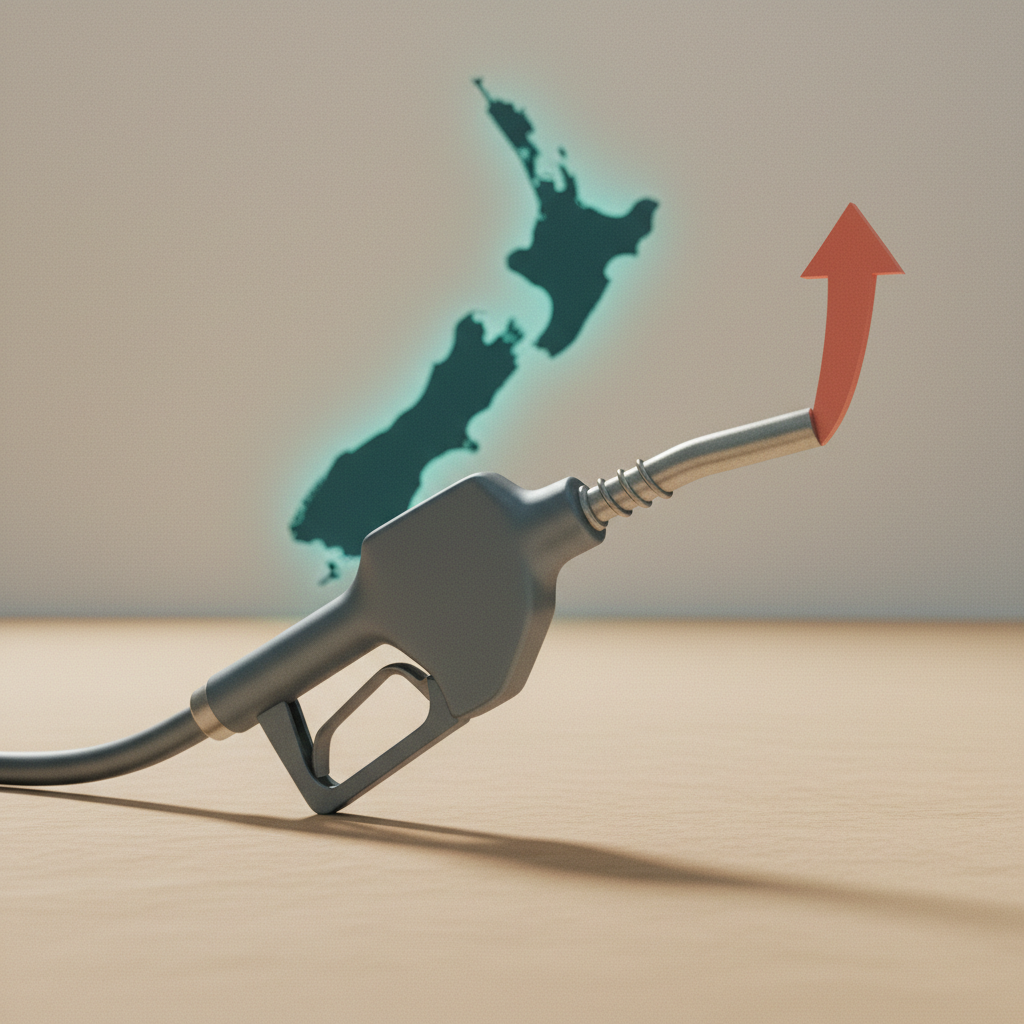
Recent significant increases in diesel prices are prompting warnings from transport operators about impending widespread consumer goods price hikes. This development directly impacts marketers' pricing strategies, supply chain management, and consumer purchasing power across New Zealand.
What Happened
- •Diesel prices in New Zealand experienced a substantial single-day increase of 44 cents per litre on 6 March 2026.
- •Transport operators are forecasting that these elevated fuel costs will inevitably translate to higher prices for a vast majority of consumer products.
- •The trucking industry estimates that approximately 93% of all goods moved within New Zealand will be affected by these increased operational expenses.
- •This price rise is expected to impact the entire supply chain, from raw materials to finished goods delivery.
- •The cost increase is attributed to global oil market dynamics and local fuel tax adjustments.
- •Industry bodies are vocalising concerns about the flow-on effects for businesses and households.
Why It Matters for NZ Marketers
- •New Zealand's reliance on road freight means nearly all consumer goods are susceptible to these increased transport costs.
- •Higher retail prices for everyday items will likely reduce discretionary consumer spending, impacting non-essential categories.
- •Marketers must anticipate shifts in consumer behaviour, potentially towards value-seeking or reduced purchase frequency.
- •Local businesses, especially those with tight margins, will face pressure to absorb costs or pass them on, affecting competitiveness.
- •Supply chain disruptions or delays could become more frequent as operators manage increased expenses.
- •The inflationary pressure will contribute to the broader cost of living challenges for NZ households, influencing purchasing decisions.
Strategic Implications
- •Review and potentially adjust pricing strategies to account for increased input costs, balancing profitability with consumer affordability.
- •Emphasise value propositions and long-term benefits in marketing communications to justify potential price increases.
- •Optimise supply chain logistics, exploring efficiencies or alternative distribution models to mitigate transport expenses.
- •Monitor consumer sentiment closely for changes in purchasing habits and brand loyalty in response to higher prices.
- •Consider promotional strategies that focus on bulk buying or loyalty programs to retain customers facing budget constraints.
- •Assess product portfolios to identify items most vulnerable to price sensitivity and those that can command a premium.
Future Trend Signals
- •Continued volatility in fuel prices will necessitate agile pricing and supply chain management for businesses.
- •Increased demand for sustainable logistics solutions and localised production to reduce transport dependencies.
- •Greater focus on cost-efficiency and operational optimisation across all sectors reliant on freight.
- •Potential for government intervention or subsidies to ease inflationary pressures on essential goods.
Sources
Editorial note: This analysis is original, AI-assisted editorial content. All source material is attributed with links. No full articles are reproduced. Short excerpts are used under fair dealing principles.
Related Analysis
More posts sharing similar topics
Retail MediaAI & Commerce
Fuel Price Hikes: Navigating the Impact on NZ Consumer Spending and Logistics
Retail MediaAI & Commerce
NZ Marketers Face Economic Headwinds Amidst Disappointing GDP and Fuel Crisis
Retail MediaAI & Commerce
NZ Consumer Spending Stalls: Marketers Face Tightened Budgets Amidst Weak GDP
Retail MediaAI & Commerce
NZ Economic Outlook Shifts: Marketers Face Persistent Inflation and Stagnant Growth
Retail MediaAI & Commerce