

NZ Media News
Back to latest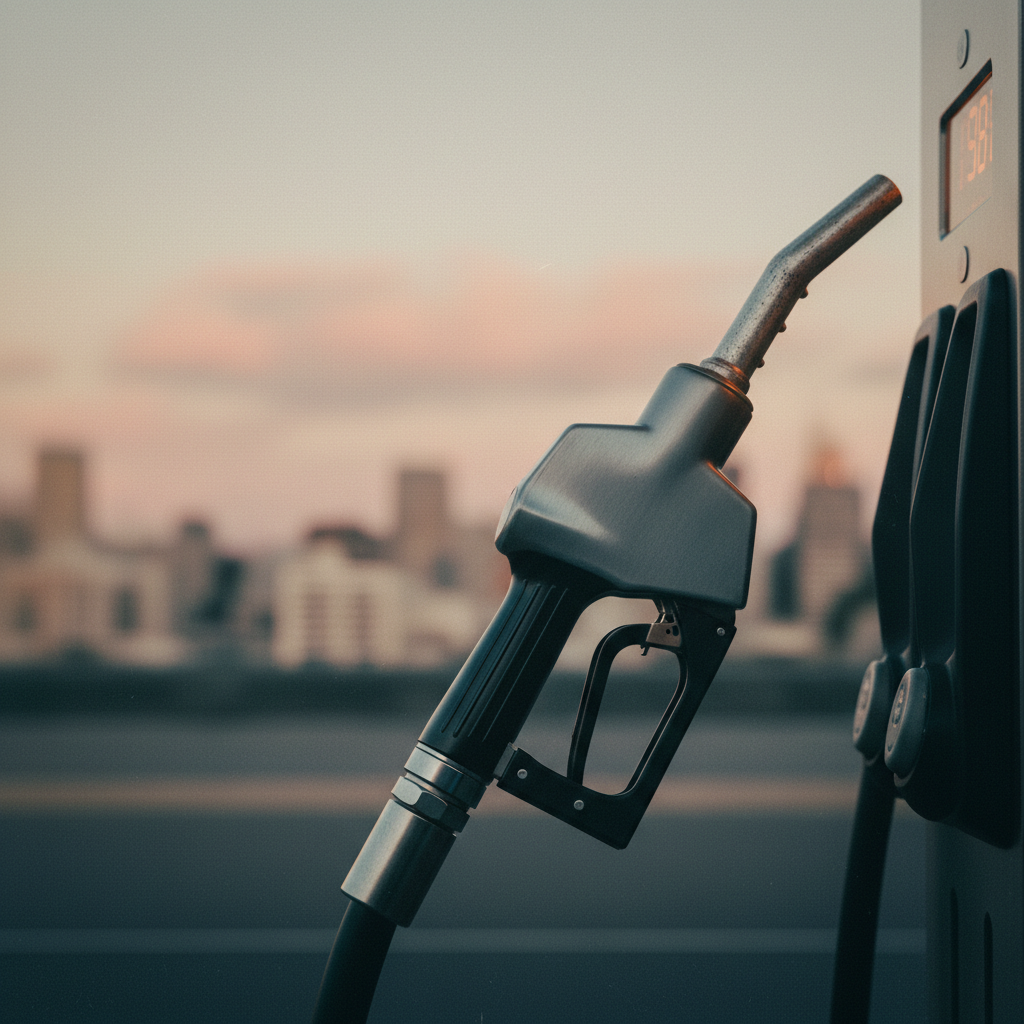



Fuel Price Surge Looms: A Critical Test for NZ Consumer Spending
New Zealand faces potential petrol price increases of 20-30 cents per litre, driven by escalating Middle East tensions. This surge could push prices towards $3 per litre, prompting government scrutiny on retailers and impacting household budgets nationwide.
What Happened
- •Petrol prices in New Zealand are projected to rise by 20-30 cents per litre in the near future.
- •The increase is attributed to deepening geopolitical instability in the Middle East.
- •This surge could see petrol prices approaching $3 per litre at the pump.
- •The New Zealand government is actively monitoring fuel retailers to prevent unjustified price hikes.
- •The Commerce Commission has previously investigated fuel pricing practices in the market.
- •Global oil price volatility directly translates to higher costs for Kiwi motorists.
- •Source: NZ Herald - Business, 4 March 2026
Why It Matters for NZ Marketers
- •Higher fuel costs directly reduce discretionary spending for New Zealand households, impacting retail, hospitality, and entertainment sectors.
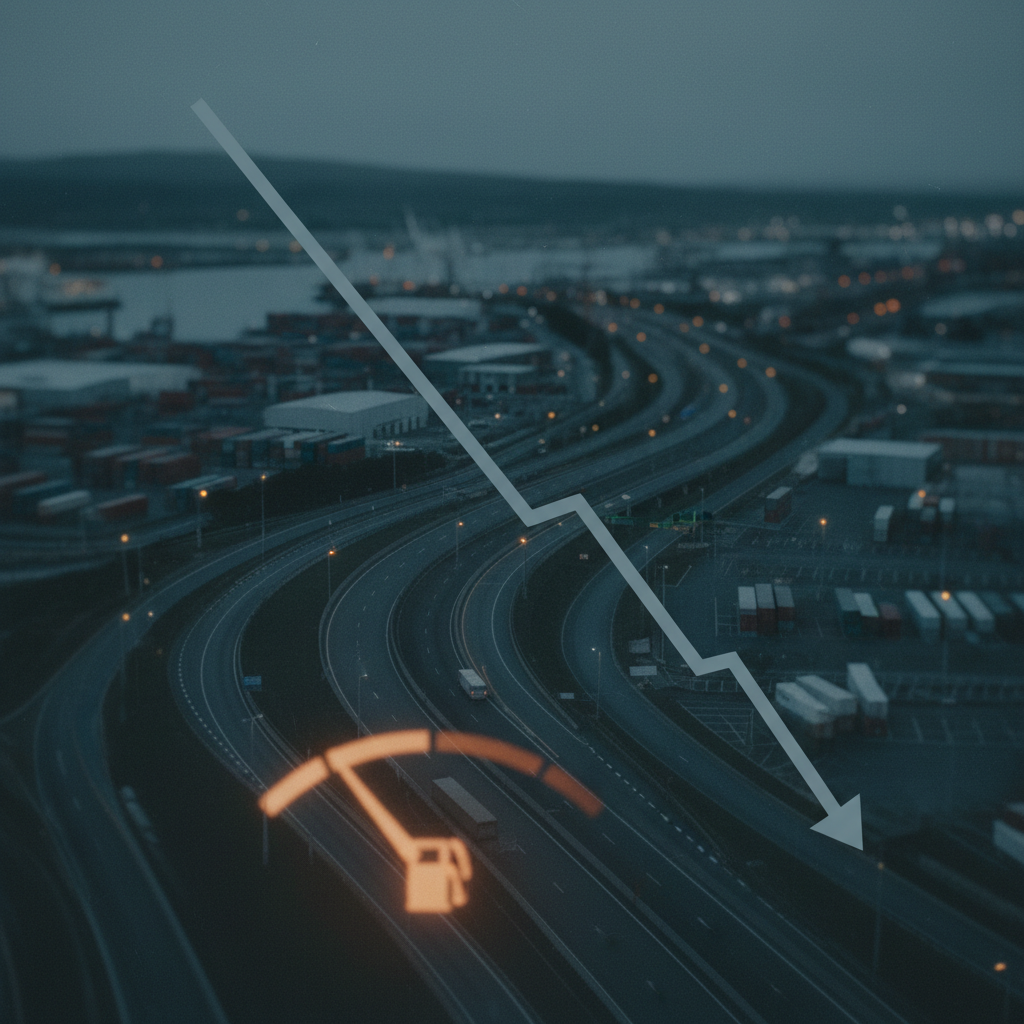
- •Increased operational costs for businesses reliant on transport (e.g., logistics, trades, agriculture) will likely be passed on to consumers or reduce profit margins.
- •Consumer confidence may dip, leading to more cautious purchasing decisions and a shift towards essential goods and services.
- •Regional areas, often more dependent on private vehicle transport, could experience disproportionately higher economic pressure.
- •Marketers must anticipate shifts in consumer behaviour, including reduced travel and increased demand for local or online options.
- •Government scrutiny on pricing could influence public perception of brands perceived to be profiting from crises.
Strategic Implications
- •Re-evaluate marketing budgets and messaging to align with a more cost-conscious consumer base, emphasizing value and necessity.
- •Explore and promote e-commerce and local delivery options to mitigate the impact of reduced physical store visits.
- •Develop contingency plans for supply chain disruptions and increased logistics costs, potentially adjusting pricing or delivery strategies.
- •Focus on customer retention and loyalty programs as consumers become more selective about their spending.
- •Consider partnerships or promotions that offer cost-saving benefits to consumers, such as fuel vouchers or bundled services.
- •Monitor economic indicators and consumer sentiment closely to adapt campaigns swiftly to changing market conditions.
Future Trend Signals
- •Accelerated shift towards electric vehicles and alternative transport, driven by economic rather than purely environmental factors.
- •Increased demand for local sourcing and production to reduce reliance on global supply chains and associated transport costs.
- •Greater emphasis on digital-first customer engagement strategies as physical mobility becomes more expensive.
- •Potential for government intervention or subsidies in key sectors to mitigate inflationary pressures from fuel costs.
Sources
Editorial note: This analysis is original, AI-assisted editorial content. All source material is attributed with links. No full articles are reproduced. Short excerpts are used under fair dealing principles.
Related Analysis
More posts sharing similar topics
Retail MediaAI & Commerce
Fuel Price Hikes: Navigating the Impact on NZ Consumer Spending and Logistics
Retail MediaAI & Commerce
Rising Fuel Costs Squeeze NZ Marketers' Budgets and Consumer Spending
Retail MediaAI & Commerce
NZ Marketers Face Economic Headwinds Amidst Disappointing GDP and Fuel Crisis
Retail MediaAI & Commerce
NZ Consumer Spending Stalls: Marketers Face Tightened Budgets Amidst Weak GDP
Retail MediaAI & Commerce