
NZ Media News
Back to latest




India FTA: Perceptual Challenges and Marketing Opportunities
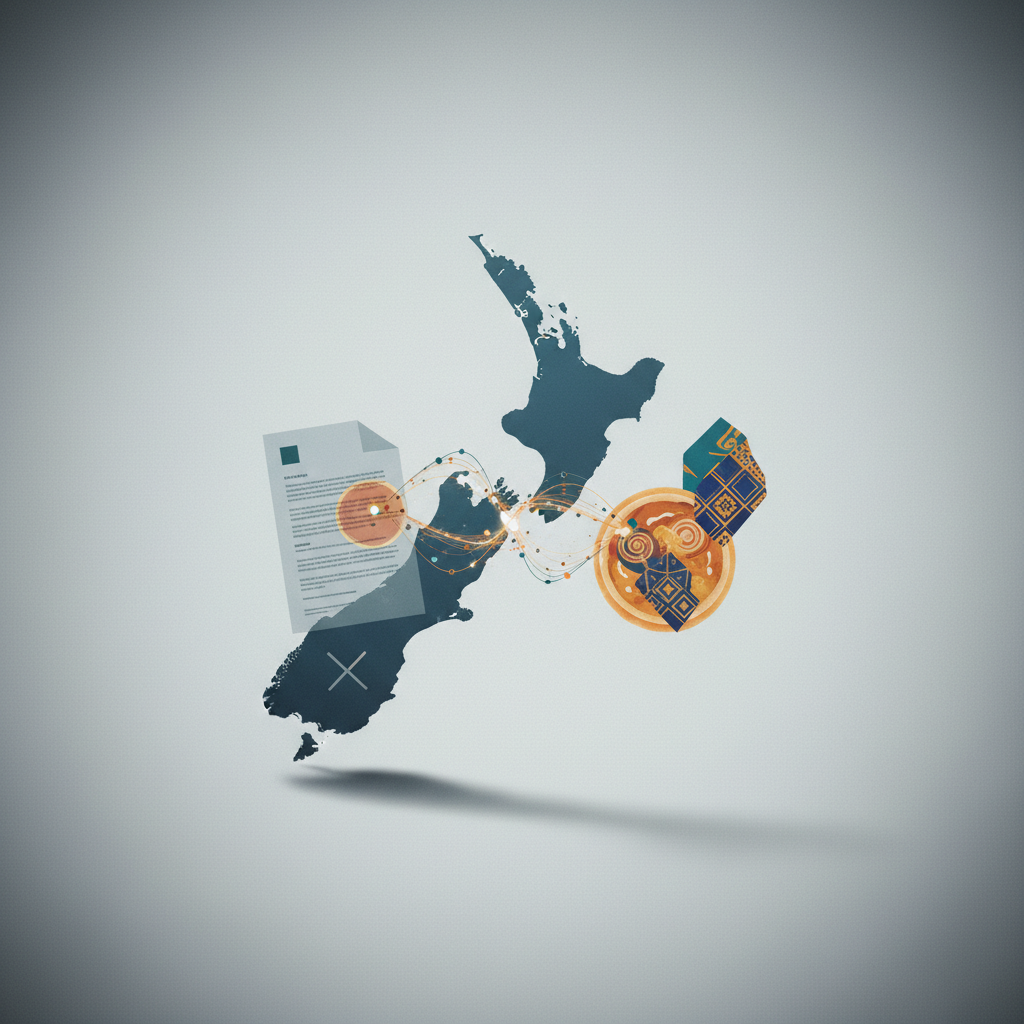
Public discourse surrounding the proposed India-New Zealand Free Trade Agreement highlights the critical role of perception in policy acceptance. Despite political opposition, the cultural and economic appeal of Indian goods and services resonates with New Zealand consumers, creating a unique marketing landscape.
What Happened
- •New Zealand First publicly expressed opposition to the India-New Zealand Free Trade Agreement (FTA) on 26 April 2026.
- •The party's leader, Winston Peters, stated the agreement was 'neither free nor fair'.
- •Critics inadvertently framed the FTA in a way that made Indian cultural products, like butter chicken, sound appealing.
- •The article suggests that negative framing can backfire when it evokes positive consumer associations.
- •The political debate inadvertently underscored the existing cultural connections and consumer interest in Indian offerings.
Why It Matters for NZ Marketers
- •NZ marketers must understand how political narratives can influence consumer sentiment towards international trade and cultural exchange.
- •The 'butter chicken tsunami' metaphor, intended negatively, reveals a strong existing demand and positive association with Indian cuisine and culture in New Zealand.
- •Brands importing or partnering with Indian businesses could leverage this positive cultural perception, despite political friction.
- •Consumer openness to international products, even amidst trade debates, indicates a resilient market for diverse offerings.
- •The public's response to the FTA discussion highlights the importance of cultural relevance in marketing communications.
Strategic Implications
- •Marketers should monitor political and trade discussions, as they can inadvertently create marketing opportunities or challenges.
- •Leverage existing positive cultural associations when introducing or promoting international products and services in New Zealand.
- •Develop communication strategies that focus on consumer benefits and cultural enrichment, rather than solely economic arguments.
- •Consider the 'halo effect' of popular cultural touchstones (e.g., food) when positioning broader trade or cultural initiatives.
- •Brands with international ties should be prepared to navigate and potentially counter negative political framing with positive brand narratives.
Future Trend Signals
- •Increasingly, geopolitical narratives will intersect with consumer perception and brand strategy.
- •Cultural diplomacy through popular consumer goods will become a more potent marketing tool.
- •Marketers will need to be adept at reframing political rhetoric into positive brand messaging.
- •The demand for diverse global products and experiences in New Zealand will continue to grow, regardless of trade agreement specifics.
Sources
Editorial note: This analysis is original, AI-assisted editorial content. All source material is attributed with links. No full articles are reproduced. Short excerpts are used under fair dealing principles.
Related Analysis
More posts sharing similar topics
PoliticsBrand
Local Government Funding Debate Signals Broader Economic Shifts for NZ Marketers
PoliticsBrand
Global Regulators Intensify Scrutiny on Ad Tech Data Practices
PoliticsBrand
Rising Input Costs Squeeze NZ Dairy Margins, Impacting Agri-Marketing
PoliticsBrand
Social Media Age Verification Flaws: A Trans-Tasman Warning for Marketers
PoliticsBrand