
NZ Media News
Back to latest




Auckland's Mega Projects: Navigating Urban Transformation for Marketers
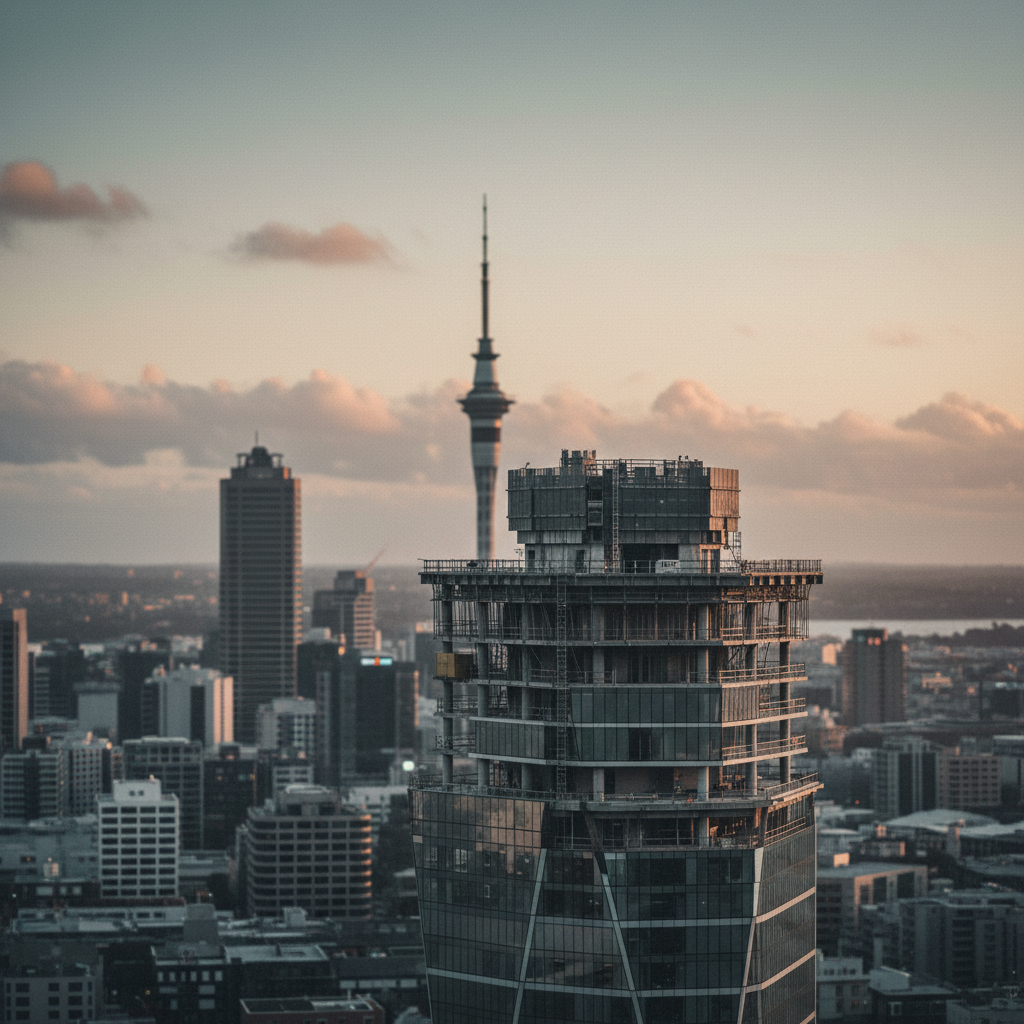
Auckland's significant urban development projects are reshaping the city's landscape, impacting everything from infrastructure to commercial and residential zones. Marketers must understand these shifts to strategically engage with evolving consumer demographics and foot traffic patterns.
What Happened
- •Auckland is undergoing extensive urban development with multiple large-scale projects, including residential towers, commercial hubs, and infrastructure upgrades.
- •Projects like Seascape and Symphony are highlighted for their scale and potential impact on the city's skyline and population density.
- •Developments such as Precinct are contributing to the revitalisation of Auckland's central business district.
- •These projects represent substantial investments in both public and private sectors, aiming to accommodate population growth and enhance urban living.
- •The article from 29 March 2026 discusses the mixed public sentiment regarding these developments, ranging from excitement to concern.
- •Key projects are concentrated in the city's heart, indicating a focus on densification and centralisation.
Why It Matters for NZ Marketers
- •Increased urban density in Auckland will alter consumer concentration, creating new micro-markets and influencing retail and service demand.
- •Changes in commuter routes and public transport infrastructure will affect OOH advertising placement and local business accessibility.
- •New residential and commercial spaces will attract specific demographic groups, requiring targeted marketing approaches for brands.
- •The revitalisation of the CBD could lead to increased foot traffic in certain areas, presenting opportunities for experiential marketing and retail.
- •Infrastructure improvements may enhance digital connectivity, influencing how consumers interact with online and mobile marketing.
- •Brand perception can be linked to involvement or alignment with urban development, positively or negatively.
Strategic Implications
- •Marketers should map their target audience against the geographical distribution and demographic profiles of these new developments.
- •Consider hyper-localised marketing strategies to engage residents and workers within newly developed precincts.
- •Evaluate existing media buys, especially OOH and local sponsorships, for relevance and effectiveness amidst changing urban landscapes.
- •Develop flexible marketing campaigns that can adapt to the phased completion of projects and evolving consumer behaviours.
- •Explore partnerships with developers or local businesses within new hubs to gain early market access and brand visibility.
- •Leverage data analytics to track population shifts and consumer spending patterns in areas undergoing significant change.
Future Trend Signals
- •Continued densification of Auckland's urban core, driving demand for convenience-based services and retail.
- •Increased integration of digital and physical experiences as smart city infrastructure develops within new precincts.
- •A growing focus on sustainable and community-centric marketing as urban populations prioritise liveability.
- •The emergence of new commercial and cultural hubs outside the traditional CBD, diversifying marketing opportunities.
Sources
Editorial note: This analysis is original, AI-assisted editorial content. All source material is attributed with links. No full articles are reproduced. Short excerpts are used under fair dealing principles.
Related Analysis
More posts sharing similar topics
PoliticsAgency
Fuel Costs Force Delivery Platforms to Adapt: Lessons for NZ Marketers
PoliticsAgency
BestStart Founder's Legacy: Implications for NZ Brand Longevity and Social Impact
PoliticsAgency
US Internet Liability Law Under Scrutiny: Implications for Digital Marketing
PoliticsAgency
Government Shifts Stance on Shareholder Loan Taxation, Signalling Broader Tax Review
PoliticsAgency