
NZ Media News
Back to latest




Marsden Point Fuel Security Boost: Implications for NZ Supply Chains
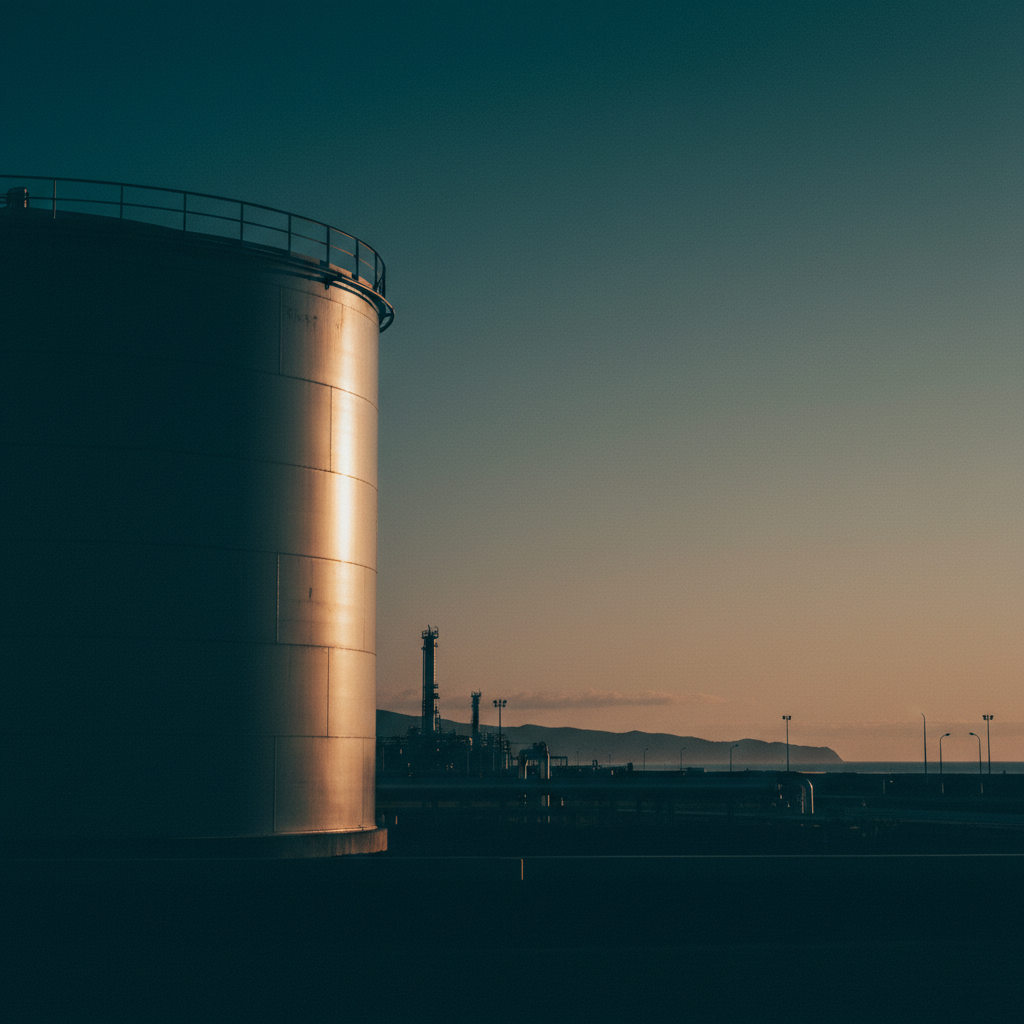
The accelerated completion of new diesel storage facilities at Marsden Point significantly enhances New Zealand's fuel resilience. This development, driven by energy security concerns, will impact logistical planning and operational stability for businesses nationwide.
What Happened
- •Construction of new diesel storage tanks at Marsden Point is progressing rapidly, with work occurring seven days a week.
- •The project aims for completion by 31 May 2026, ahead of schedule, to bolster national fuel reserves.
- •This initiative follows the closure of the Marsden Point oil refinery, shifting New Zealand to a 100% imported fuel model.
- •The new infrastructure is critical for ensuring a secure and reliable supply of diesel for various industries.
- •The project involves significant investment in upgrading port capabilities and storage capacity.
- •The enhanced storage capacity supports the government's energy security strategy.
Why It Matters for NZ Marketers
- •Improved fuel security reduces the risk of supply chain disruptions for NZ businesses reliant on diesel transport and machinery.
- •Greater storage capacity potentially stabilises fuel costs by mitigating impacts of short-term global supply fluctuations.
- •Enhances operational resilience for sectors like agriculture, logistics, and manufacturing, which are major diesel consumers.
- •Provides a more robust foundation for economic activity across New Zealand, particularly in regional areas.
- •Reduces reliance on 'just-in-time' fuel imports, offering a buffer against international crises.
- •Signals government commitment to critical infrastructure, indirectly supporting business confidence.
Strategic Implications
- •Marketers should consider messaging around supply chain stability and reliability, especially for B2B clients in logistics or primary industries.
- •Businesses can reassess inventory management and distribution strategies, potentially optimising transport routes with greater fuel certainty.
- •Opportunity to highlight local sourcing and delivery capabilities, leveraging improved domestic infrastructure.
- •Evaluate potential for long-term operational cost savings due to more stable fuel access, which can be passed to consumers or reinvested.
- •Develop contingency plans that factor in reduced fuel supply risks, allowing for more aggressive market expansion or product launches.
- •Monitor future infrastructure investments as indicators of broader economic stability and growth areas.
Future Trend Signals
- •Continued focus on national infrastructure resilience, particularly in essential services and supply chains.
- •Increased government intervention and investment in critical resources to safeguard economic stability.
- •Potential for more localised and decentralised supply chain models as security becomes paramount.
- •Evolution of energy policy to balance security with sustainability goals in the long term.
Sources
Editorial note: This analysis is original, AI-assisted editorial content. All source material is attributed with links. No full articles are reproduced. Short excerpts are used under fair dealing principles.
Related Analysis
More posts sharing similar topics
AI & CommercePolitics
NZ Retailers Advocate for 'Temu Tax' Amidst E-commerce Disruption
AI & CommercePolitics
Stagflation Threatens NZ Marketing Landscape: RBNZ's Dilemma Looms
AI & CommercePolitics
Apple's App Store Fee Fight Heads to Supreme Court, Challenging Digital Commerce Norms
AI & CommercePolitics
BSA's Expanded Reach: New Scrutiny for Digital Audio Content
AI & CommercePolitics