

NZ Media News
Back to latest



Global Energy Disruptions Signal Prolonged Economic Headwinds for NZ Marketers
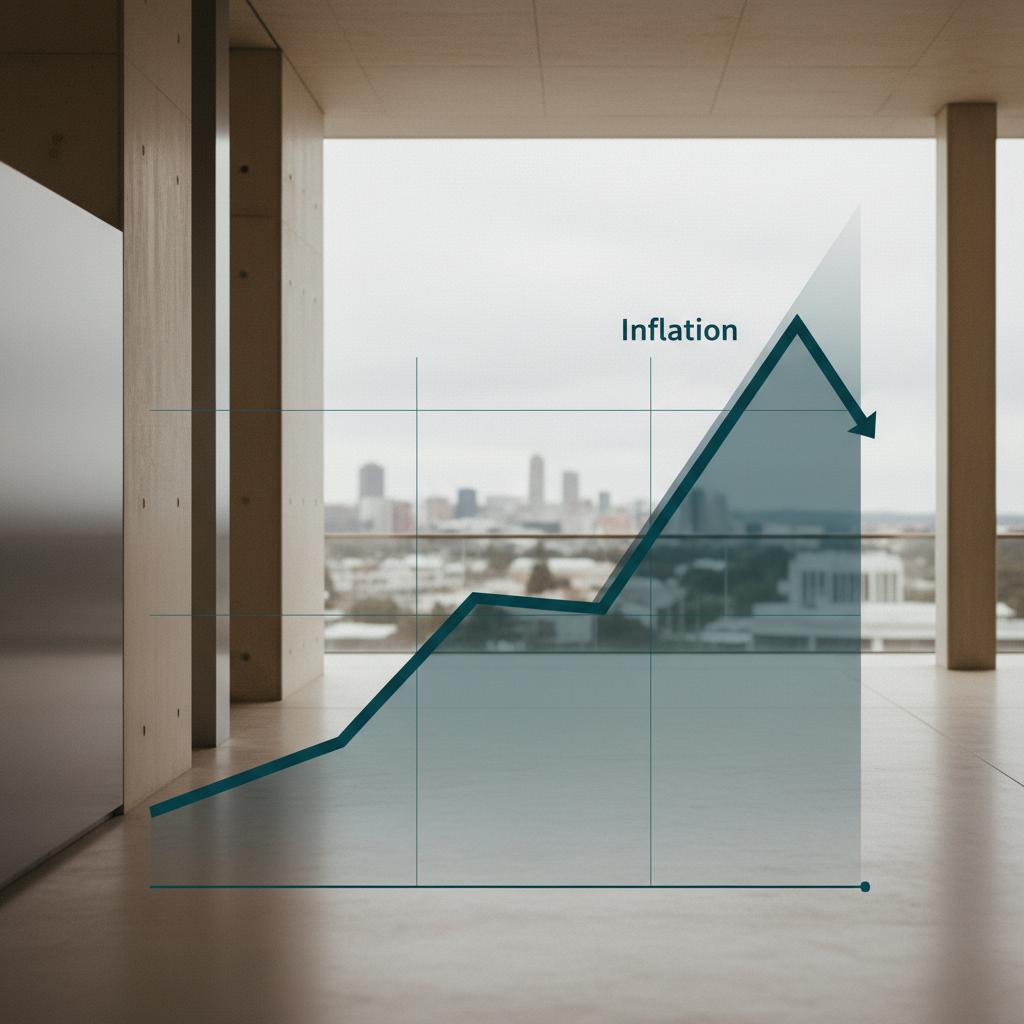
Significant global oil and gas supply disruptions, impacting over 10% of the world's supply, are projected to last for months. This prolonged instability will likely translate into sustained higher energy costs and inflationary pressures, directly influencing consumer behaviour and marketing strategies in New Zealand.
What Happened
- •Over 10% of the world's oil supply has been taken offline due to various global factors.
- •Restoring this significant portion of oil and gas production is anticipated to take several months.
- •The disruption is widespread, affecting multiple international energy sources.
- •This situation points to a sustained period of energy market volatility.
- •The ongoing supply issues are expected to keep global energy prices elevated.
- •The New York Times reported on the scale and duration of these supply reductions on 8 April 2026.
Why It Matters for NZ Marketers
- •Higher fuel costs will directly impact New Zealand's transport and logistics sector, increasing operational expenses for businesses.
- •Increased energy prices for households will reduce discretionary consumer spending, affecting retail and leisure sectors.
- •Inflationary pressures from energy costs could lead to further interest rate hikes by the RBNZ, tightening credit and consumer confidence.
- •NZ businesses reliant on imported goods will face higher shipping costs, potentially passing these onto consumers.
- •Marketing budgets may be scrutinised more closely as companies navigate higher operational costs and reduced consumer spending.
- •Consumer sentiment in New Zealand is likely to remain cautious, prioritising essential purchases over non-essentials.
Strategic Implications
- •Marketers must prepare for a sustained period of cost-conscious consumers, emphasising value and necessity in messaging.
- •Brands should explore supply chain efficiencies and localised sourcing to mitigate rising import and transport costs.
- •Digital channels offering cost-effective reach and precise targeting will become even more critical for budget-constrained campaigns.
- •Focus on customer retention and loyalty programs to safeguard existing revenue streams amidst reduced new customer acquisition potential.
- •Consider adjusting product portfolios or service offerings to align with evolving consumer priorities and budget constraints.
- •Develop agile marketing plans capable of rapid adjustment to ongoing economic shifts and consumer behaviour changes.
Future Trend Signals
- •Increased consumer demand for sustainable and energy-efficient products and services.
- •Accelerated adoption of e-commerce and local delivery models to offset rising physical transport costs.
- •Greater emphasis on performance marketing metrics and ROI measurement for all marketing spend.
- •Brands will increasingly integrate economic resilience and value messaging into their core propositions.
Sources
Editorial note: This analysis is original, AI-assisted editorial content. All source material is attributed with links. No full articles are reproduced. Short excerpts are used under fair dealing principles.
Related Analysis
More posts sharing similar topics
AI & CommercePolitics
NZ Holds Off on Sports Betting Ad Bans, Diverging from Australia
AI & CommercePolitics
Fuel Price Interventions: A Cautionary Tale for NZ Marketers
AI & CommercePolitics
Prediction Markets Court Media, Offering New Data Streams for NZ Marketers
AI & CommercePolitics
Migration Shift Offers New Opportunities for NZ Marketers
AI & CommercePolitics