
NZ Media News
Back to latest



Tesla's AI-Driven Future: Implications for NZ Mobility and Brand Strategy
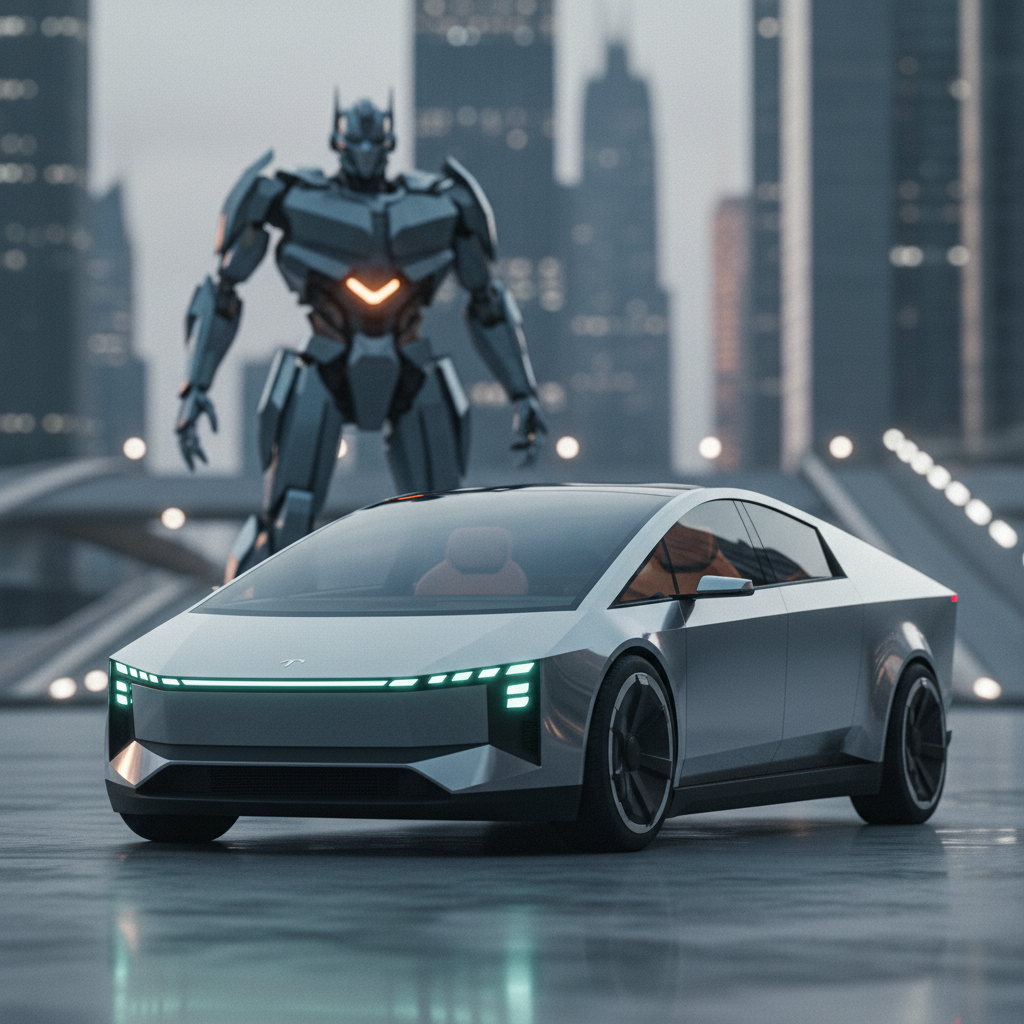
Tesla is reportedly phasing out its premium Model S and X vehicles, signalling a significant strategic pivot towards AI-driven autonomous services and robotics. This shift prioritises the Cybercab robotaxi and Optimus humanoid robot, moving Tesla beyond traditional automotive manufacturing. This reorientation highlights the growing importance of AI and automation in shaping future consumer experiences and market dynamics.
What Happened
- •Tesla is reportedly discontinuing production of its Model S and Model X vehicles.
- •This move signifies a strategic shift away from traditional luxury car manufacturing.
- •The company's future focus is now heavily invested in the Cybercab robotaxi service.
- •Development and mass production of the Optimus humanoid robot are also central to Tesla's new direction.
- •This strategic pivot underscores Tesla's commitment to AI and automation as core business drivers.
- •Source: TechCrunch, 3 April 2026.
Why It Matters for NZ Marketers
- •This shift signals a future where mobility in NZ could be dominated by autonomous, service-based models, impacting car ownership and public transport.
- •NZ marketers need to consider how AI-powered services will redefine consumer interactions and expectations for convenience and efficiency.
- •The potential for autonomous logistics (Optimus) could transform supply chains and last-mile delivery within New Zealand.
- •It highlights the increasing imperative for NZ businesses to integrate AI into their operational and customer experience strategies.
- •New Zealand's EV infrastructure and regulatory landscape will need to adapt to support widespread autonomous vehicle deployment.
- •The move indicates a global trend towards 'tech' companies rather than just 'car' companies, influencing investment and innovation in NZ.
Strategic Implications
- •Brands must prepare for a future where customer journeys are increasingly automated and AI-driven, requiring new engagement strategies.
- •Marketers should explore partnerships with emerging autonomous service providers to gain early market advantage.
- •Investment in data analytics and AI capabilities is crucial to understand and target consumers in an autonomous service ecosystem.
- •Consider how product design and service offerings can integrate with or complement autonomous mobility and robotics.
- •Develop marketing messages that resonate with values of efficiency, sustainability, and technological advancement.
- •Evaluate the potential for AI-powered personalisation in autonomous service environments.
Future Trend Signals
- •The accelerating convergence of AI, robotics, and mobility will redefine urban living and commerce.
- •Service-based models are poised to disrupt traditional product ownership across multiple sectors.
- •AI will become the primary interface for consumer interaction, moving beyond screens to physical environments.
- •Brands will increasingly compete on the seamlessness and intelligence of their automated service delivery.
Sources
Editorial note: This analysis is original, AI-assisted editorial content. All source material is attributed with links. No full articles are reproduced. Short excerpts are used under fair dealing principles.
Related Analysis
More posts sharing similar topics
Retail MediaAI & Commerce
Influencer-Designed Homeware Signals New Era for Brand Collaborations
Retail MediaAI & Commerce
Global Oil Volatility: A Looming Challenge for NZ Marketers
Retail MediaAI & Commerce
Apple Maps Poised to Open New Ad Frontier for NZ Businesses
Retail MediaAI & Commerce
Experience Economy Adapts: Local Studio Pivots to Adult Market
Retail MediaAI & Commerce