
NZ Media News
Back to latest



Middle East Tensions Threaten NZ Plastics Supply and Pricing
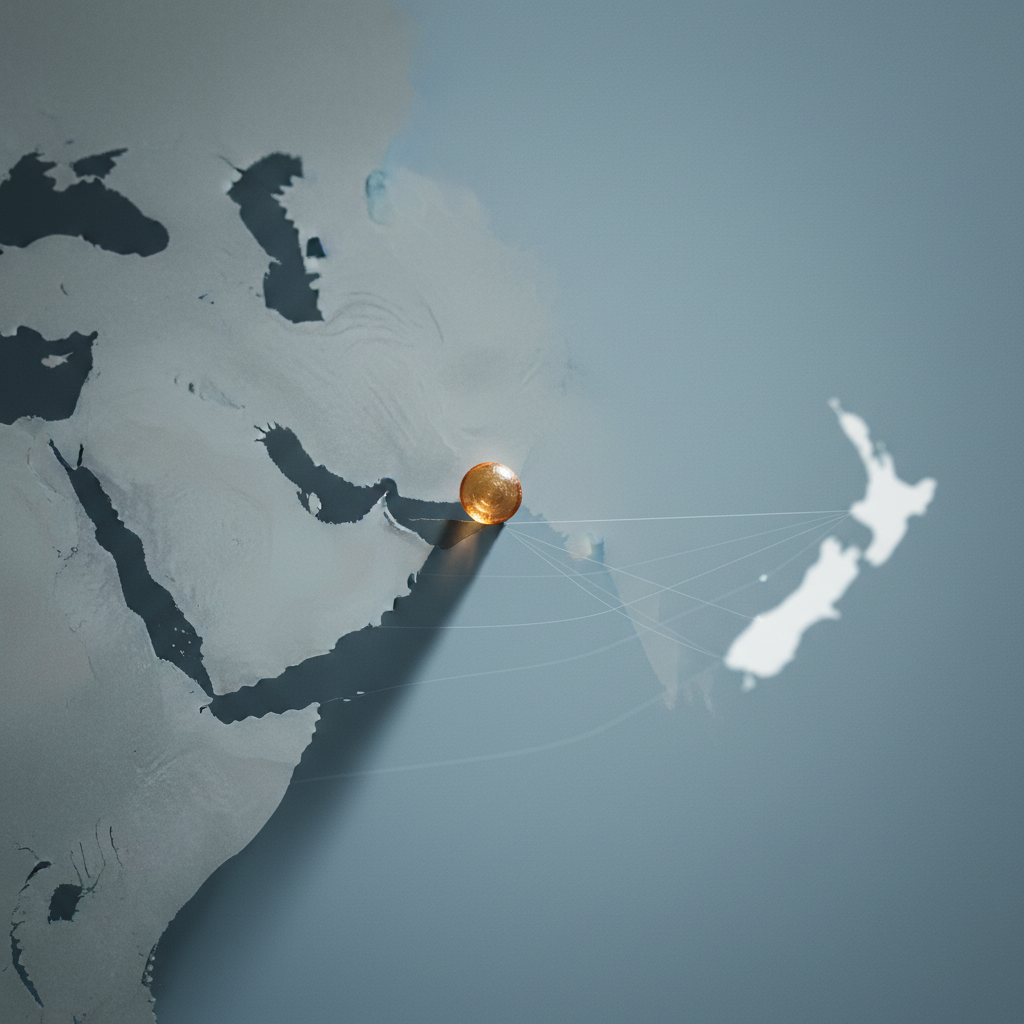
Geopolitical instability in the Middle East is poised to significantly impact New Zealand's plastics industry, warns Plastics NZ. Marketers should anticipate potential supply chain disruptions and considerable price increases for polymer-based products, affecting various sectors.
What Happened
- •Plastics NZ issued a warning regarding potential price hikes and supply chain vulnerabilities for polymers.
- •The ongoing conflict in the Middle East is identified as the primary catalyst for these anticipated disruptions.
- •Approximately 22% of New Zealand's polymer imports originate directly from the Middle East region.
- •Disruptions to shipping routes, particularly through the Red Sea, are contributing to increased costs and delays.
- •These factors are expected to translate into higher manufacturing costs for plastic-dependent industries.
- •Source: NZ Herald - Business, 18 March 2026.
Why It Matters for NZ Marketers
- •NZ businesses heavily reliant on plastic packaging or components face immediate cost pressures and potential production delays.
- •Marketers must prepare for increased retail prices for a wide array of goods, potentially impacting consumer demand.
- •The reliance on Middle Eastern polymer imports highlights New Zealand's supply chain fragility in critical raw materials.
- •Sectors from food and beverage to construction and healthcare will feel the ripple effects of plastic price volatility.
- •Brands may need to justify price increases to consumers while maintaining perceived value.
- •This situation underscores the need for greater supply chain diversification for NZ manufacturers.
Strategic Implications
- •Review current product pricing strategies to absorb or pass on increased material costs effectively.
- •Explore alternative packaging materials or design innovations to reduce reliance on virgin plastics.
- •Communicate transparently with consumers about supply chain challenges and potential price adjustments.
- •Investigate and secure alternative polymer suppliers or domestic production capabilities where feasible.
- •Adjust marketing budgets and campaigns to reflect potential shifts in product availability and consumer spending.
- •Prioritise inventory management and forecasting to mitigate stock-outs and manage demand fluctuations.
Future Trend Signals
- •Accelerated shift towards sustainable and circular packaging solutions to reduce dependency on fossil-fuel-derived plastics.
- •Increased investment in localised manufacturing and diversified global supply chains for critical materials.
- •Greater consumer scrutiny on product pricing and brand transparency regarding cost drivers.
- •Enhanced focus on resilience and agility within marketing and supply chain strategies.
Sources
Editorial note: This analysis is original, AI-assisted editorial content. All source material is attributed with links. No full articles are reproduced. Short excerpts are used under fair dealing principles.
Related Analysis
More posts sharing similar topics
AI & CommercePolitics
NZ Marketers Face Stagflation Headwinds Amid Global Tensions and Domestic Slowdown
AI & CommercePolitics
Generative AI Liability: xAI's Grok Lawsuit Signals New Risks for Marketers
AI & CommercePolitics
Government Shifts Stance on Shareholder Loan Taxation, Signalling Broader Tax Review
AI & CommercePolitics
RBNZ's Inflation Stance Signals Enduring Economic Headwinds for NZ Marketers
AI & CommercePolitics