
NZ Media News
Back to latest




Auckland's Heritage Arcades Signal a Shift to Experiential Retail
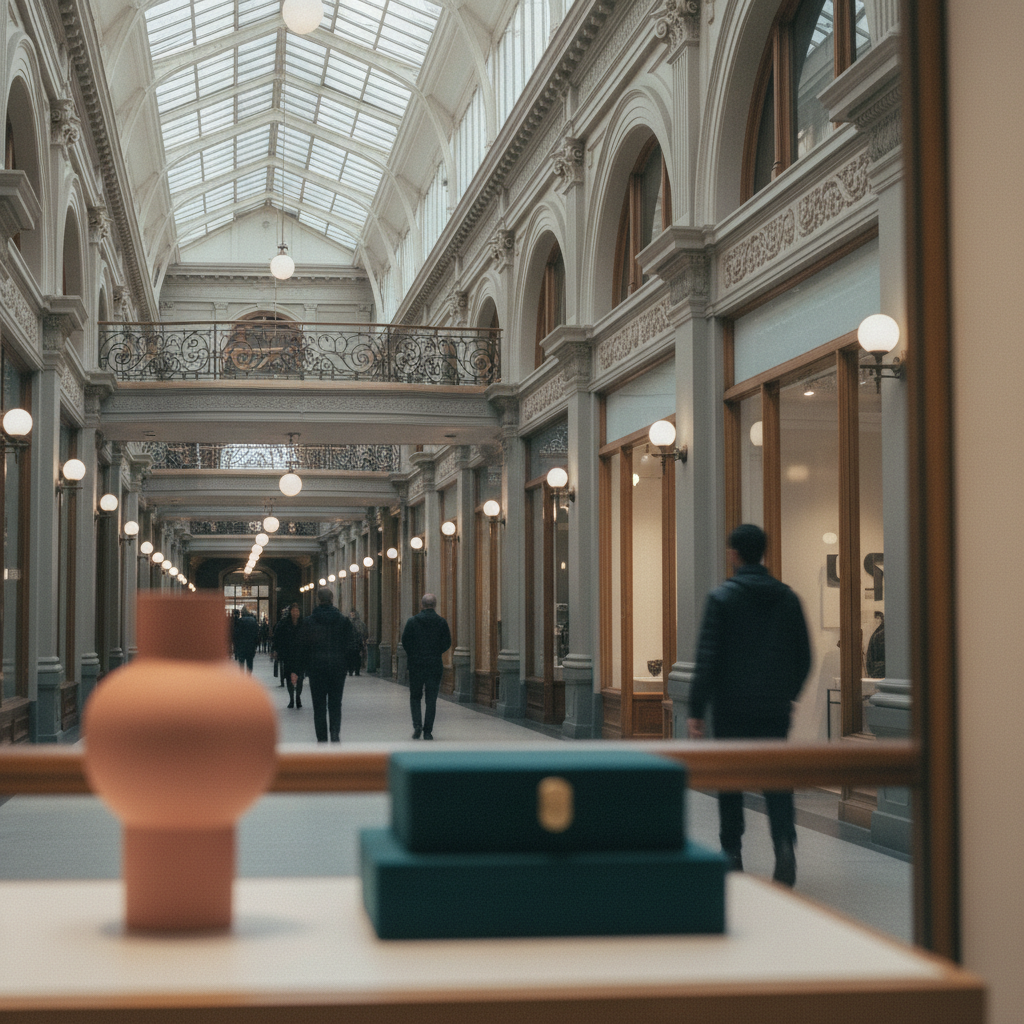
Auckland's historic shopping arcades are experiencing a resurgence, driven by a consumer demand for unique, experience-led retail environments. This trend challenges the traditional dominance of large-scale malls, highlighting a broader shift in consumer preferences towards authenticity and curated physical spaces.
What Happened
- •Auckland's inner-city heritage shopping arcades are undergoing a revitalisation, attracting new tenants and visitors.
- •This revival is attributed to a growing consumer preference for 'experiential shopping' over conventional retail models.
- •The unique architectural and historical character of these arcades provides a distinct atmosphere.
- •The trend suggests a move away from the 'mega mall' era towards more boutique, localised retail experiences.
- •The article, published by NZ Herald - Business on 14 March 2026, details this commercial transformation.
- •New retail concepts are prioritising customer engagement and a sense of place within these heritage sites.
Why It Matters for NZ Marketers
- •NZ consumers, particularly in urban centres, are increasingly seeking authentic and engaging retail experiences beyond pure transaction.
- •This trend offers opportunities for local brands to establish unique physical presences that resonate with cultural heritage.
- •It signals a potential re-evaluation of commercial property investment, favouring character-rich spaces over generic developments.
- •Marketers must consider how to integrate brand storytelling with physical environments to attract foot traffic and engagement.
- •The success of these arcades could influence urban planning and retail development strategies across other NZ cities.
- •It highlights the importance of creating 'destinations' rather than just 'shops' to capture the attention of New Zealanders.
Strategic Implications
- •Brands should explore pop-up activations or flagship stores in character-filled locations to differentiate themselves.
- •Develop marketing strategies that emphasise the unique 'experience' and narrative associated with a physical retail space.
- •Invest in creating immersive in-store environments that encourage longer visits and social sharing.
- •Collaborate with local artists, artisans, or complementary businesses to enhance the experiential offering.
- •Utilise digital channels to drive traffic to unique physical locations, blending online discovery with offline engagement.
- •Re-evaluate traditional retail metrics to include engagement, dwell time, and emotional connection, not just conversion rates.
Future Trend Signals
- •The continued rise of 'phygital' retail, where physical spaces are enhanced by digital interactions.
- •Increased investment in urban regeneration projects focused on preserving and repurposing heritage buildings for commercial use.
- •A growing consumer demand for curated, niche retail offerings that reflect local culture and values.
- •The evolution of physical retail into entertainment and community hubs, moving beyond pure product sales.
Sources
Editorial note: This analysis is original, AI-assisted editorial content. All source material is attributed with links. No full articles are reproduced. Short excerpts are used under fair dealing principles.
Related Analysis
More posts sharing similar topics
Retail MediaAI & Commerce
Woolworths Elevates Seasonal Marketing with Orchestral Brand Refresh
Retail MediaAI & Commerce
NZ CPG Brands Face Margin Squeeze Amidst Growth Imperative
Retail MediaAI & Commerce
AI Content Tools Face Scrutiny as 'Agentic Shopping' Models Hit Snags
Retail MediaAI & Commerce
Trans-Tasman Retail Media Convergence: Nova and Scentre Group Forge Integrated Offering
Retail MediaAI & Commerce