
NZ Media News
Back to latest




Geopolitical Shifts Impact NZDF Operations, Signalling Economic Undercurrents
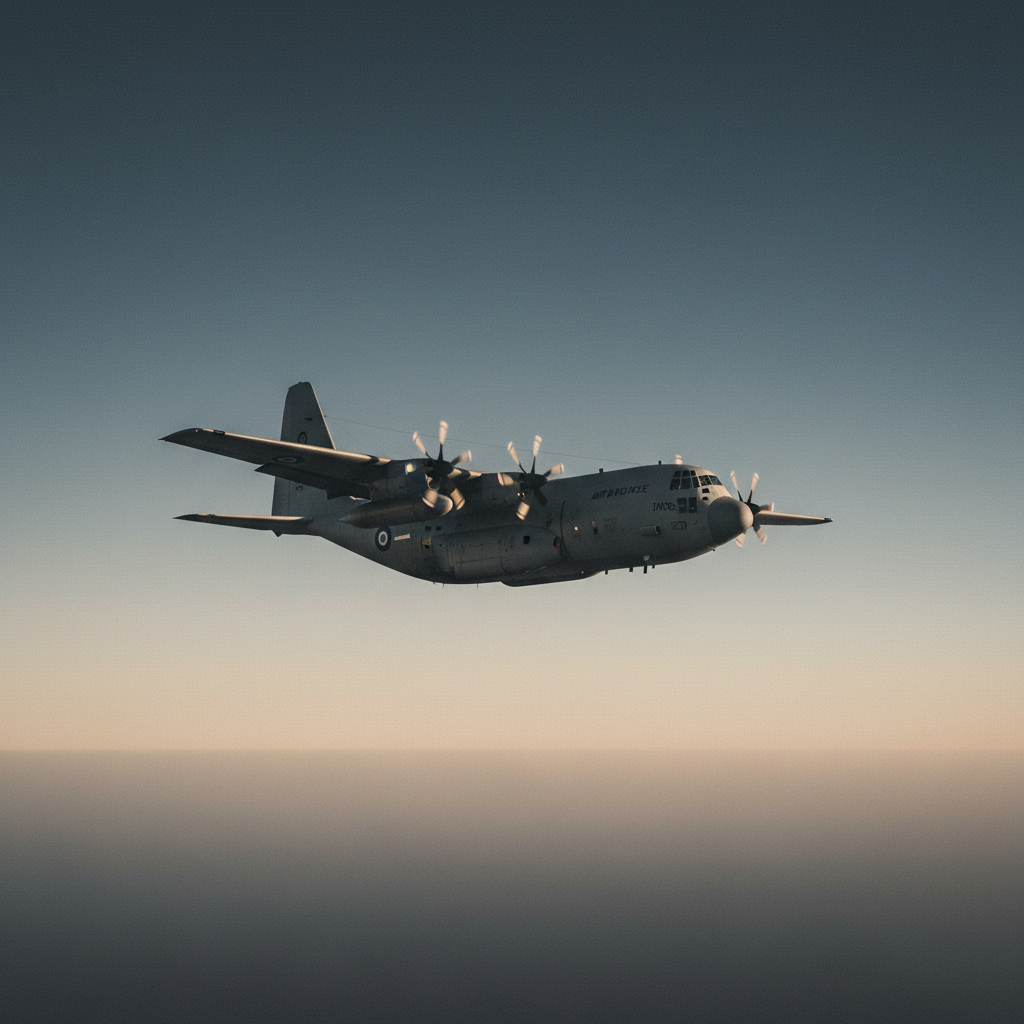
A Royal New Zealand Air Force Hercules is returning from the Middle East due to insufficient demand for evacuation, reflecting a reassessment of New Zealand's operational presence in the region. This development highlights the dynamic nature of international crises and their indirect effects on national resource allocation and public sentiment.
What Happened
- •A Royal New Zealand Air Force (RNZAF) Hercules aircraft is being recalled from the Middle East.
- •The decision follows a lack of demand from New Zealand citizens requiring evacuation from potential conflict zones.
- •The New Zealand Defence Force (NZDF) confirmed the reduced need for its presence in the region.
- •This withdrawal occurs amidst ongoing geopolitical tensions in the Middle East.
- •The aircraft was deployed as part of New Zealand's readiness for potential escalations.
- •The return indicates a lower-than-anticipated direct impact on New Zealand citizens in the area.
Why It Matters for NZ Marketers
- •Reduced NZDF deployment frees up national resources, potentially impacting government spending priorities.
- •Public perception of New Zealand's international role and security posture may shift, influencing national mood.
- •While direct economic impact is minimal, sustained global instability can indirectly affect consumer confidence and travel.
- •The decision reflects a pragmatic assessment of risk and resource allocation by the New Zealand government.
- •This event underscores New Zealand's vulnerability to global events, even when direct involvement is limited.
- •Changes in international travel advisories or perceived safety could influence tourism and expatriate movements.
Strategic Implications
- •Marketers should monitor geopolitical developments for their subtle impact on consumer sentiment and economic outlook.
- •Brands with international ties or expat customer bases need to be aware of shifting global travel patterns and safety perceptions.
- •Consider the 'mood of the nation' when crafting campaigns, as global events can foster uncertainty or resilience.
- •Evaluate supply chain vulnerabilities to international disruptions, even if New Zealand's direct involvement is low.
- •Public sector communications may influence national discourse; marketers should align messaging with prevailing sentiments.
- •Agility in marketing strategies is crucial to adapt to unforeseen global shifts and their local repercussions.
Future Trend Signals
- •Increasingly, national resource allocation will be dictated by real-time assessments of global risks and citizen needs.
- •The intersection of foreign policy and domestic economic stability will become more pronounced.
- •Brands will need to integrate geopolitical scanning into their strategic planning processes.
- •Expect a continued focus on national resilience and self-sufficiency in response to global uncertainties.
Sources
Editorial note: This analysis is original, AI-assisted editorial content. All source material is attributed with links. No full articles are reproduced. Short excerpts are used under fair dealing principles.
Related Analysis
More posts sharing similar topics
AI & CommercePolitics
Authenticity Trumps 'Virtue Signalling' Amidst Economic Shocks for NZ Brands
AI & CommercePolitics
Rising Fuel Costs Squeeze NZ Marketers' Budgets and Consumer Spending
AI & CommercePolitics
US Oil Market Intervention Looms, Signalling Global Economic Volatility for NZ Marketers
AI & CommercePolitics
Lululemon's Spam Fine: A Trans-Tasman Warning for NZ Marketers
AI & CommercePolitics