
NZ Media News
Back to latest




McDonald's Reality TV Kiosks: A Blueprint for Social Engagement
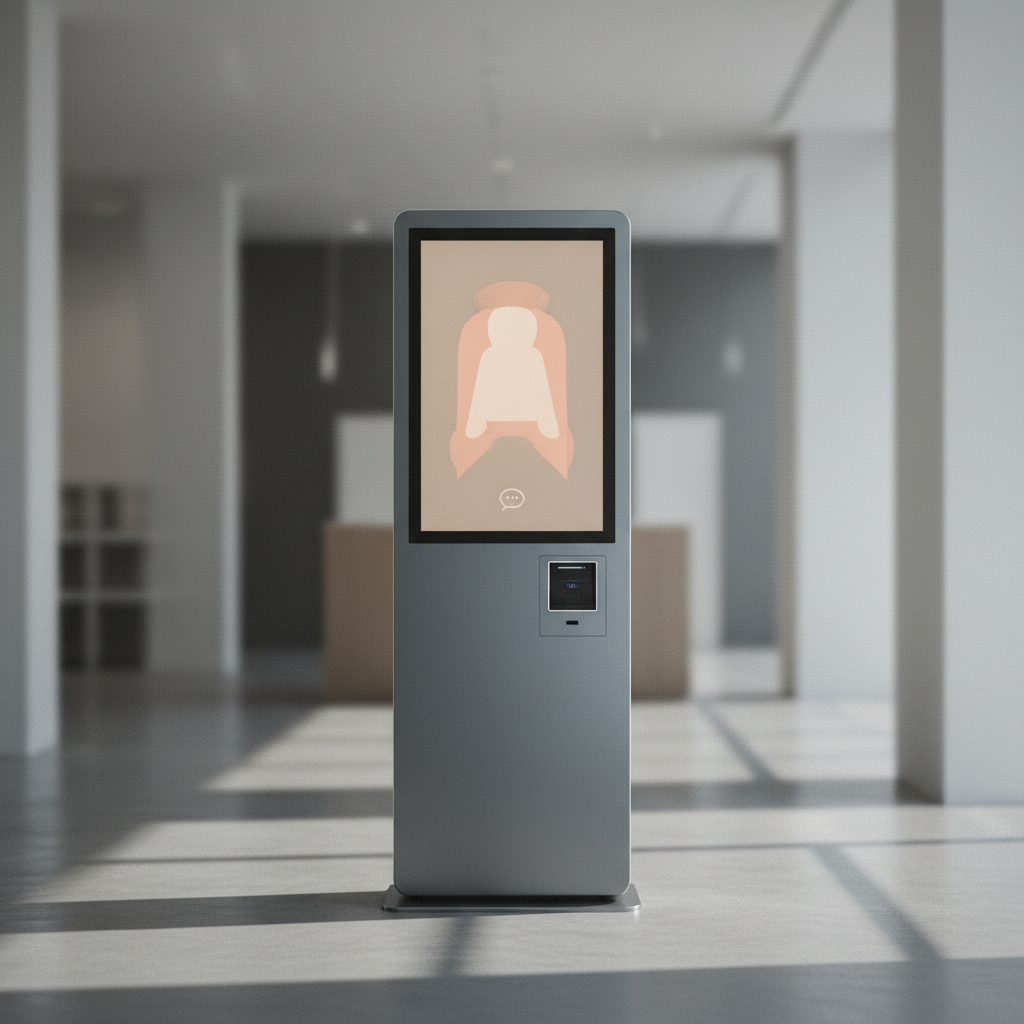
McDonald's launched a social-first campaign transforming self-order kiosks into 'confessionals,' mimicking reality TV. This initiative aims to engage younger audiences and counter recent negative social media sentiment, highlighting innovative approaches to customer interaction.
What Happened
- •McDonald's introduced a reality TV-inspired campaign, turning self-order kiosks into 'confessional booths' for customer feedback.
- •The campaign encourages customers to share their 'guilty pleasures' or 'unpopular opinions' about McDonald's products.
- •Content from these 'confessionals' is being shared across McDonald's social media channels.
- •This social-heavy effort follows recent social media criticism directed at the brand and its CEO.
- •The initiative leverages a popular cultural format to foster interactive customer engagement.
- •The campaign's objective is to generate positive buzz and strengthen brand connection, particularly with younger demographics. (Source: Marketing Dive, 5 March 2026)
Why It Matters for NZ Marketers
- •NZ quick-service restaurants (QSRs) face similar pressures to innovate customer engagement beyond traditional advertising.
- •This demonstrates how physical retail touchpoints can be creatively integrated into broader digital campaigns in the NZ market.
- •New Zealand brands can learn to leverage popular cultural trends, like reality TV, to resonate with local audiences.
- •It offers a model for NZ marketers to proactively address or pivot from negative social sentiment through engaging content.
- •Highlights the importance of authentic, user-generated content in building brand affinity among NZ consumers.
- •The campaign's social-first nature is highly relevant for NZ's digitally native youth market.
Strategic Implications
- •Integrate physical and digital marketing efforts to create seamless, interactive brand experiences.
- •Develop campaigns that encourage genuine customer participation and user-generated content.
- •Monitor social sentiment closely and be prepared to respond with creative, brand-aligned initiatives.
- •Explore unconventional uses of existing infrastructure (e.g., kiosks) to enhance customer engagement.
- •Prioritise social media as a primary channel for campaign activation and audience interaction.
- •Adapt global marketing trends to local cultural contexts for maximum impact.
Future Trend Signals
- •Increasing convergence of physical retail spaces and digital content creation.
- •Greater emphasis on interactive, participatory marketing campaigns over passive advertising.
- •Brands will increasingly use cultural trends to drive social media engagement and content.
- •The evolution of user-generated content into structured, brand-controlled 'confessional' or 'feedback' formats.
Sources
Editorial note: This analysis is original, AI-assisted editorial content. All source material is attributed with links. No full articles are reproduced. Short excerpts are used under fair dealing principles.
Related Analysis
More posts sharing similar topics
Retail MediaAI & Commerce
Meta's Physical Retail Commitment Signals Future of Digital-Physical Integration
Retail MediaAI & Commerce
McDonald's Gamifies Brand Assets: A Blueprint for NZ Marketers
Retail MediaAI & Commerce
Ulta Beauty's TikTok Shop Entry Signals New Social Commerce Imperative for NZ Brands
Retail MediaAI & Commerce
Influencer Merch: Monetisation Strategy or Brand Risk?
Retail MediaAI & Commerce