AI Influencers and Digital Twins: A New Frontier for NZ Marketing
The emergence of AI-generated influencers and digital twin technology presents both opportunities and challenges for marketers. This trend signifies a shift in how brands can engage audiences, offering scalable and controlled digital personas.
What Happened
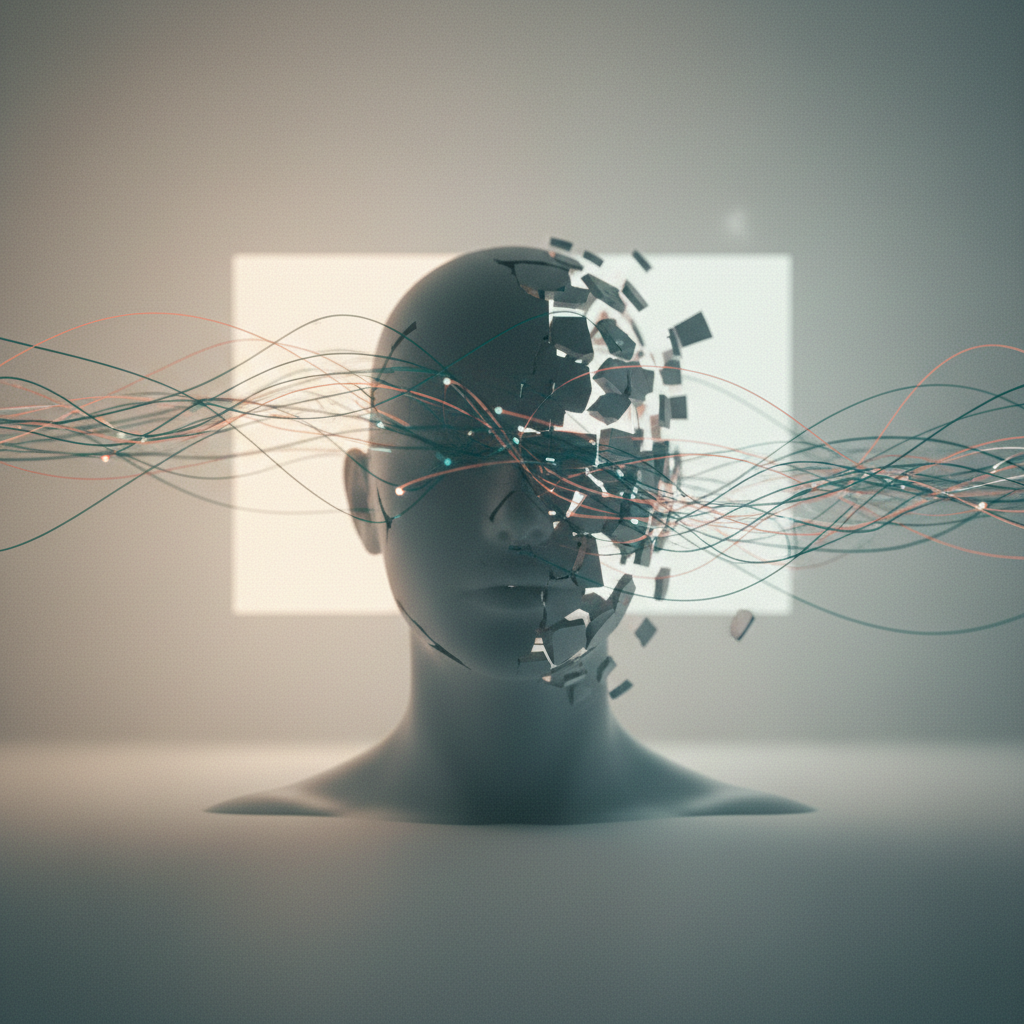
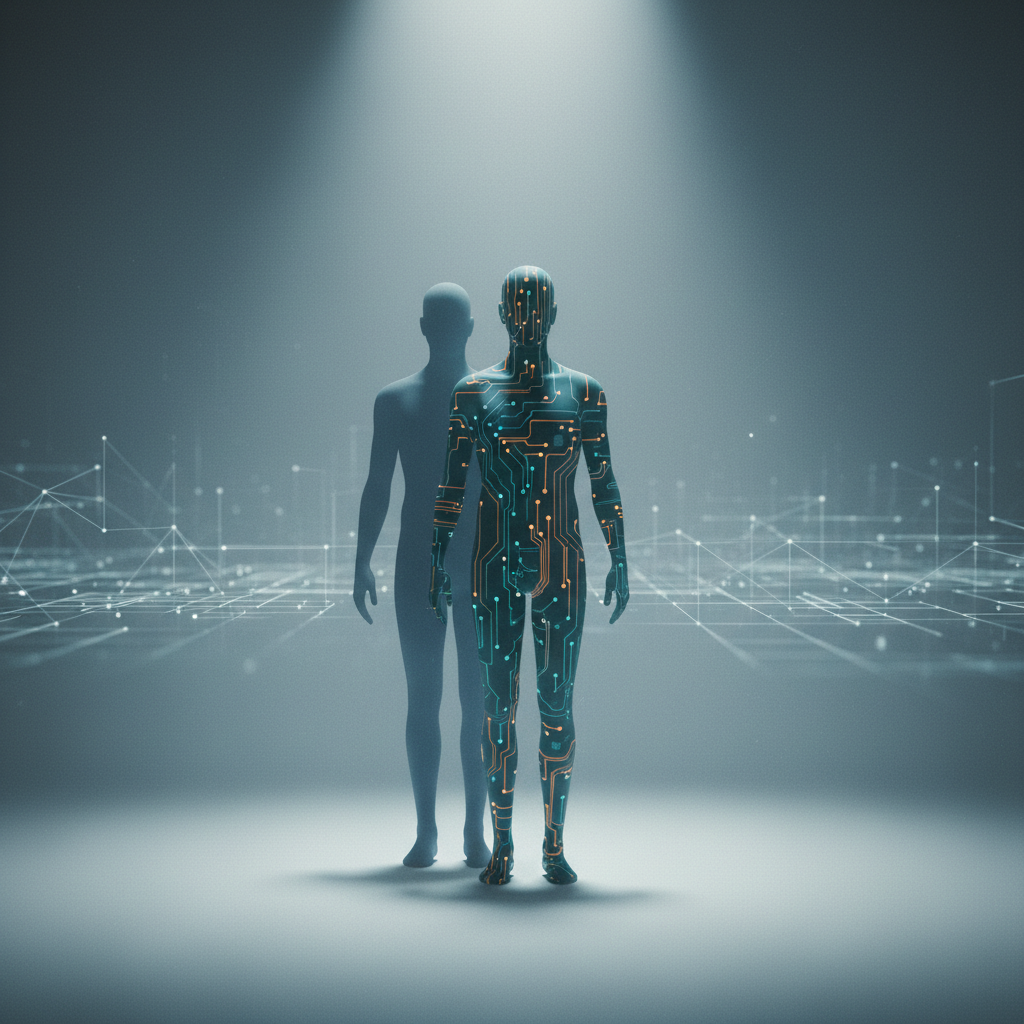
Entirely synthetic digital personalities, known as AI influencers, are rapidly gaining traction and engagement among consumers. Alongside them, digital twins, which are virtual replicas of real people or assets, are opening new avenues for highly personalised and scalable brand representation.
These AI-driven entities provide brands with complete creative control over both messaging and appearance. This technology directly addresses common challenges such as human influencer burnout, ongoing brand safety concerns, and the high costs associated with traditional talent. Early adopters are already exploring AI influencers for engaging niche audiences and maintaining consistency across global campaigns.
However, the long-term success of these innovations hinges on careful consideration of ethical implications. Paramount among these are questions surrounding authenticity, transparency, and data privacy.
Why It Matters for NZ Marketers
AI influencers present a significant opportunity for New Zealand brands to connect with diverse, digitally-native audiences, potentially at a lower cost than traditional talent. The inherent control offered by AI personas can also provide a robust solution for NZ marketers who are particularly sensitive to brand safety and cultural nuance, ensuring messages resonate appropriately within the local context and across the Tasman.
Furthermore, digital twins could empower NZ businesses to scale their brand presence internationally without the logistical complexities of physical travel or managing multiple human ambassadors. This emerging trend simultaneously creates new opportunities for New Zealand tech companies and creators specialising in AI and virtual content development, fostering local innovation. Early adoption could provide a crucial competitive edge for NZ marketers operating in a relatively small, yet innovative, market.
Proactively addressing ethical concerns will be essential for maintaining trust with NZ consumers, who consistently value authenticity and transparency in their brand interactions.
Strategic Implications
- •Evaluate the potential for integrating AI influencers into existing content and social media strategies.
- •Develop clear guidelines for transparency, ensuring consumers are aware when interacting with AI-generated content or personas.
- •Explore digital twin technology for product launches, virtual experiences, or personalised customer service interfaces.
- •Invest in understanding the analytics and ROI specific to AI-driven campaigns, which may differ from human influencer metrics.
- •Consider the long-term impact on brand authenticity and consumer perception when deploying synthetic identities.
- •Allocate resources for upskilling marketing teams in AI tools, virtual content creation, and ethical AI deployment.
Future Trend Signals
- •Increased sophistication and realism of AI-generated content, blurring lines between human and synthetic.
- •Expansion of AI influencers into niche markets and specialised industries, beyond mainstream consumer brands.
- •Development of regulatory frameworks and industry standards for AI transparency and ethical digital identity use.
- •Integration of AI influencers and digital twins with metaverse platforms and immersive brand experiences.
Sources
Related Analysis
More posts sharing similar topics

Meta Recommits to Horizon Worlds, Signalling Evolving Metaverse Strategy

Tubi and TikTok Forge Long-Form Content Alliance, Reshaping Creator-Driven Streaming

Flat-Fee Creator Platforms Streamline Influencer Marketing

Picsart's AI Agent Marketplace: A New Frontier for Creator Content