
NZ Media News
Back to latest


YouTube Escalates Deepfake Defence with Advanced Likeness Detection
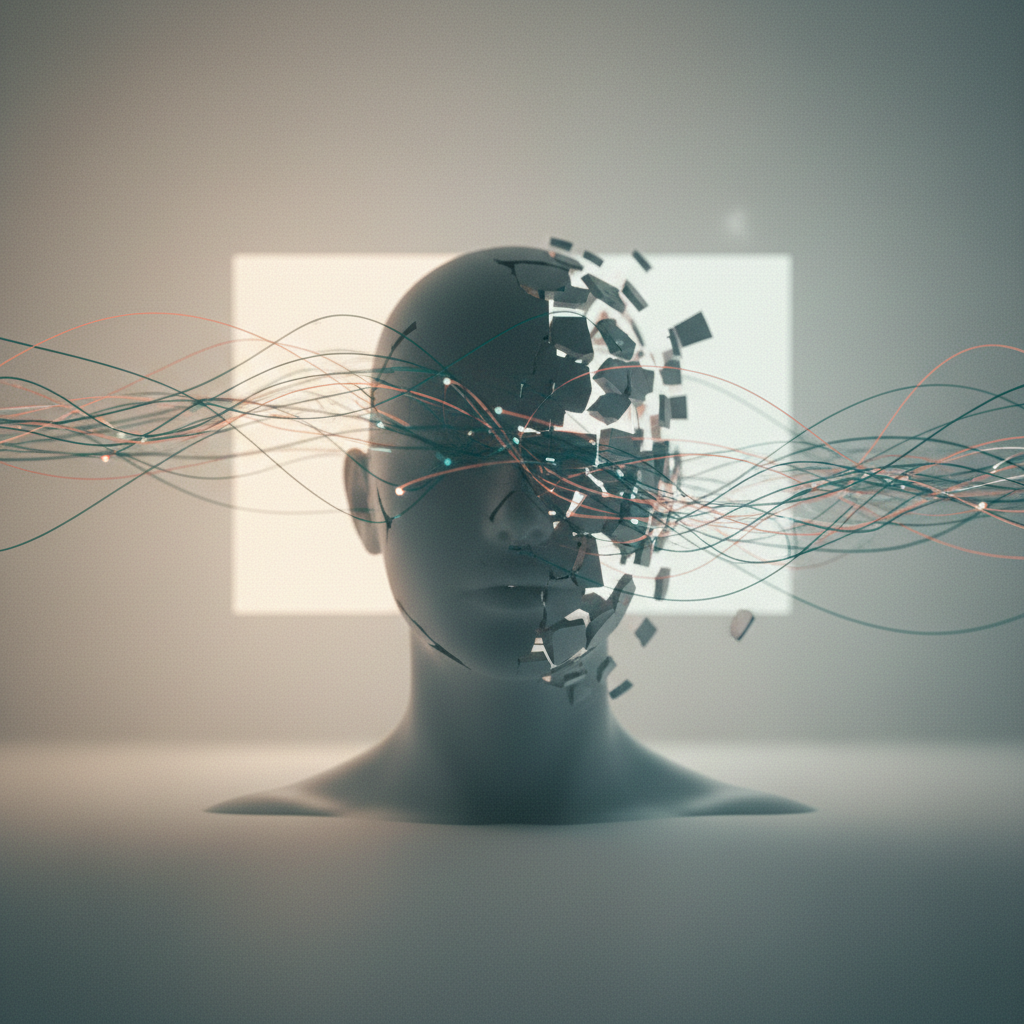
YouTube is expanding its deepfake detection capabilities, moving beyond initial trials to implement sophisticated likeness detection for public figures. This initiative aims to protect celebrities and journalists from AI-generated misuse, reflecting a growing industry focus on responsible AI content management.
What Happened
- •YouTube is advancing its likeness detection technology to combat deepfakes, as reported on 11 March 2026.
- •The platform's initial likeness detection tool launched last year with select YouTube Partners.
- •This next phase specifically targets the misuse of AI to generate content featuring celebrities and journalists.
- •The development is part of YouTube's broader investment in generative AI and creator resources.
- •The technology is designed to help creators navigate emerging AI content challenges.
- •The initiative underscores YouTube's commitment to managing the ethical implications of AI-generated media.
Why It Matters for NZ Marketers
- •NZ marketers leveraging influencer or creator partnerships must ensure their content adheres to evolving platform AI policies.
- •Brands using AI for content creation need to understand the boundaries and potential pitfalls concerning public figures' likenesses.
- •The integrity of brand-safe environments on platforms like YouTube becomes more critical for NZ advertisers.
- •Reputational risks for NZ brands could increase if their content is mistakenly associated with deepfake controversies.
- •This development could influence how NZ media outlets and public figures manage their digital presence and content rights.
- •It signals a shift towards greater platform responsibility in moderating AI-generated content, impacting NZ content strategies.
Strategic Implications
- •Develop robust internal guidelines for AI content creation, particularly when featuring or referencing individuals.
- •Prioritise ethical AI use to maintain consumer trust and avoid brand damage.
- •Educate marketing teams on platform-specific AI policies and content moderation updates.
- •Review existing creator agreements to include clauses addressing AI-generated content and likeness rights.
- •Investigate tools and processes for verifying the authenticity of user-generated content in campaigns.
- •Consider the potential for increased content review times or rejections due to stricter AI detection.
Future Trend Signals
- •Platforms will continue to invest heavily in AI detection and moderation technologies.
- •The legal and ethical frameworks around AI-generated likenesses will become more defined globally.
- •Increased demand for 'AI-safe' content creation tools and verification services.
- •Greater emphasis on transparency and disclosure for AI-generated content across all digital channels.
Sources
Editorial note: This analysis is original, AI-assisted editorial content. All source material is attributed with links. No full articles are reproduced. Short excerpts are used under fair dealing principles.
Related Analysis
More posts sharing similar topics
AI & CommerceStreaming
Short-Form Video and AI: The New Content Monetisation Frontier
AI & CommerceStreaming
APAC Studios Pioneer Hybrid AI Animation, Signalling New Content Frontiers
AI & CommerceStreaming
Microdrama's Rise: A Blueprint for Mobile-First Engagement
AI & CommerceSocial
Hollywood Meets Creators: A New Model for Audience Engagement and Monetisation Emerges
AI & CommerceStreaming