NZ Media News
Back to latest



AI Startup's 'No Humans' Campaign Sparks IP Controversy
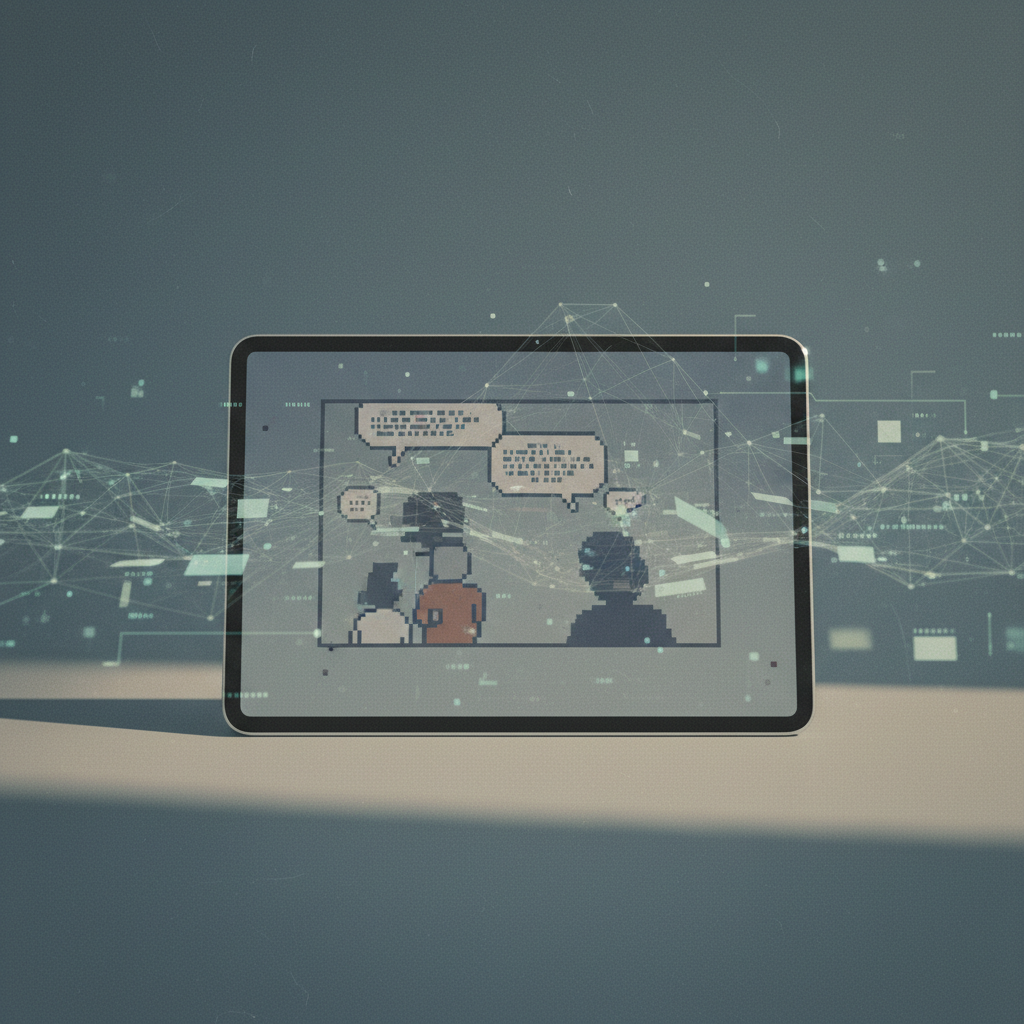
An AI company promoting the replacement of human workers with AI faces intellectual property theft allegations from a prominent webcomic artist. This incident highlights growing tensions between AI development, creative rights, and ethical marketing practices, with significant implications for how brands leverage AI-generated content.
What Happened
- •Artist KC Green, creator of the 'This is Fine' meme, accused AI startup Artisan of using his artwork without permission in their marketing.
- •Artisan's advertising campaign includes billboards and online ads urging businesses to 'stop hiring humans' and instead use their AI solutions.
- •Green's claim centres on the unauthorised use of his distinctive art style and potentially specific imagery for commercial gain.
- •The controversy underscores the ongoing debate regarding AI models' training data and the attribution or compensation for original creators.
- •This incident follows a pattern of artists and creative professionals raising concerns over AI technologies leveraging their work without consent (Source: TechCrunch, 3 May 2026).
Why It Matters for NZ Marketers
- •NZ marketers must navigate the ethical minefield of AI-generated content, ensuring all assets are legally sourced and free from IP infringement risks.
- •The 'stop hiring humans' message could resonate negatively in New Zealand, where employment stability and local talent are highly valued.
- •Brands using AI for creative work need robust due diligence processes to verify the originality and licensing of AI-generated outputs.
- •This case could influence future New Zealand intellectual property law discussions concerning AI-created works and data training.
- •Public perception of AI in New Zealand could be swayed by such controversies, impacting consumer trust in brands perceived to exploit artists.
Strategic Implications
- •Prioritise ethical AI guidelines: Develop clear internal policies for AI use in marketing, focusing on transparency, attribution, and legal compliance.
- •Vet AI vendors thoroughly: Demand proof of ethical data sourcing and IP adherence from third-party AI tools or service providers.
- •Balance innovation with responsibility: While exploring AI's potential, ensure marketing messages align with brand values and societal expectations.
- •Communicate AI use transparently: If AI is used in creative processes, consider disclosing its role to build trust with audiences.
- •Invest in human-AI collaboration: Position AI as an augmentative tool for human creativity, rather than a replacement, to mitigate negative sentiment.
Future Trend Signals
- •Increased legal challenges: Expect more lawsuits and legislative efforts globally, including potentially in NZ, to define AI's IP boundaries.
- •Demand for 'ethical AI' tools: A growing market for AI platforms that guarantee ethically sourced training data and clear creator compensation models.
- •Evolving consumer sentiment: Public scrutiny over AI's impact on employment and creative industries will intensify, influencing brand loyalty.
- •New standards for AI content: Industry bodies and governments will likely establish clearer guidelines for AI-generated content, including disclosure and attribution.
Sources
Editorial note: This analysis is original, AI-assisted editorial content. All source material is attributed with links. No full articles are reproduced. Short excerpts are used under fair dealing principles.
Related Analysis
More posts sharing similar topics
AI & CommerceCreator Economy
YouTube's Enhanced Creator Data: A Double-Edged Sword for NZ Marketers
AI & CommerceCreator Economy
Netflix's 'Tiger King' Fair Use Victory: A Landmark for NZ Content Creators?
AI & CommerceCreator Economy
Taylor Swift's AI Legal Battle Signals New Era for Brand Protection
AI & CommerceCreator Economy
Reddit Engagement: Why Brands Fail and How NZ Marketers Can Succeed
AI & CommerceCreator Economy