
NZ Media News
Back to latest



AI Image Generation Surges in India, Signalling Global Creative Shifts
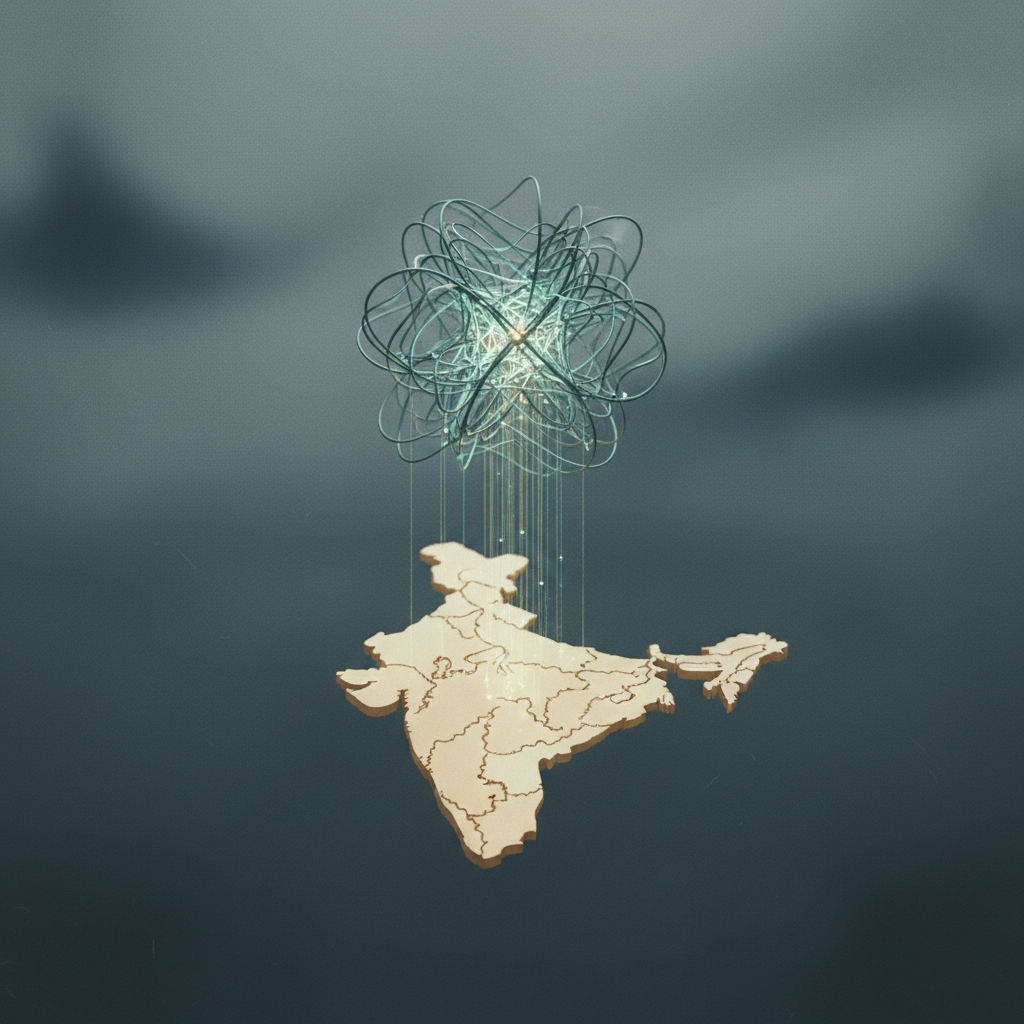
ChatGPT Images 2.0 is experiencing significant user adoption in India, primarily for personal and creative visual content. This trend, while currently localised, highlights the growing consumer appetite for accessible AI-driven image creation, with clear implications for marketing and content strategies globally.
What Happened
- •ChatGPT Images 2.0 has seen strong user engagement in India since its launch.
- •Users are primarily leveraging the tool for personal creative visuals, such as avatars and cinematic portraits.
- •The platform's ease of use is a key driver for its popularity among Indian consumers.
- •Despite success in India, broader global adoption remains nascent, as reported on 1 May 2026.
- •The tool facilitates quick generation of diverse image styles, from realistic to artistic.
- •This indicates a growing consumer comfort with AI tools for everyday creative tasks.
Why It Matters for NZ Marketers
- •New Zealand marketers should anticipate similar consumer demand for AI-generated visuals as these tools become more mainstream and localised.
- •The rise of accessible AI image generation could democratise content creation, allowing smaller NZ businesses to produce high-quality visuals cost-effectively.
- •It presents opportunities for personalised marketing campaigns, enabling brands to generate unique visual assets for individual customer segments.
- •NZ agencies and brands must prepare for a shift in creative workflows, integrating AI tools for ideation, rapid prototyping, and final asset production.
- •The trend suggests a potential increase in user-generated content (UGC) powered by AI, requiring new strategies for brand integration and moderation.
- •Ethical considerations around AI-generated imagery, including authenticity and bias, will become increasingly relevant for NZ advertisers.
Strategic Implications
- •Investigate and pilot AI image generation tools for campaign ideation and asset creation to enhance efficiency and creativity.
- •Develop guidelines for integrating AI-generated visuals into brand communications, ensuring consistency and brand safety.
- •Explore opportunities for hyper-personalisation in visual marketing, leveraging AI to create tailored content for diverse audiences.
- •Train creative teams on prompt engineering and AI tool operation to maximise their utility and maintain a competitive edge.
- •Consider the potential for AI to scale content production, enabling more frequent and varied visual output across channels.
- •Monitor consumer sentiment and regulatory developments regarding AI-generated content to adapt strategies proactively.
Future Trend Signals
- •The democratisation of advanced creative tools will empower everyday consumers to become sophisticated content creators.
- •AI-generated imagery will become an indispensable component of marketing workflows, from concept to execution.
- •Brands will increasingly leverage AI for real-time, dynamic visual content generation tailored to individual user interactions.
- •The distinction between human-created and AI-created visuals will blur, necessitating clear disclosure and ethical frameworks.
Sources
Editorial note: This analysis is original, AI-assisted editorial content. All source material is attributed with links. No full articles are reproduced. Short excerpts are used under fair dealing principles.
Related Analysis
More posts sharing similar topics
AI & CommerceCreator Economy
Talent Wars: The High Cost of Radio Personalities and What It Means for NZ Media
AI & CommerceCreator Economy
AI Revolutionises Influencer Casting for Agencies
AI & CommerceCreator Economy
APAC Media Giant Embraces AI for Short-Form Content, Signalling New Creative Frontiers
AI & CommerceCreator Economy
Patrón Elevates Brand Storytelling Through Acclaimed Filmmaker Collaboration
AI & CommerceCreator Economy