
NZ Media News
Back to latest




Mind-Reading Tech: The Next Frontier for Consumer Insights and Personalisation
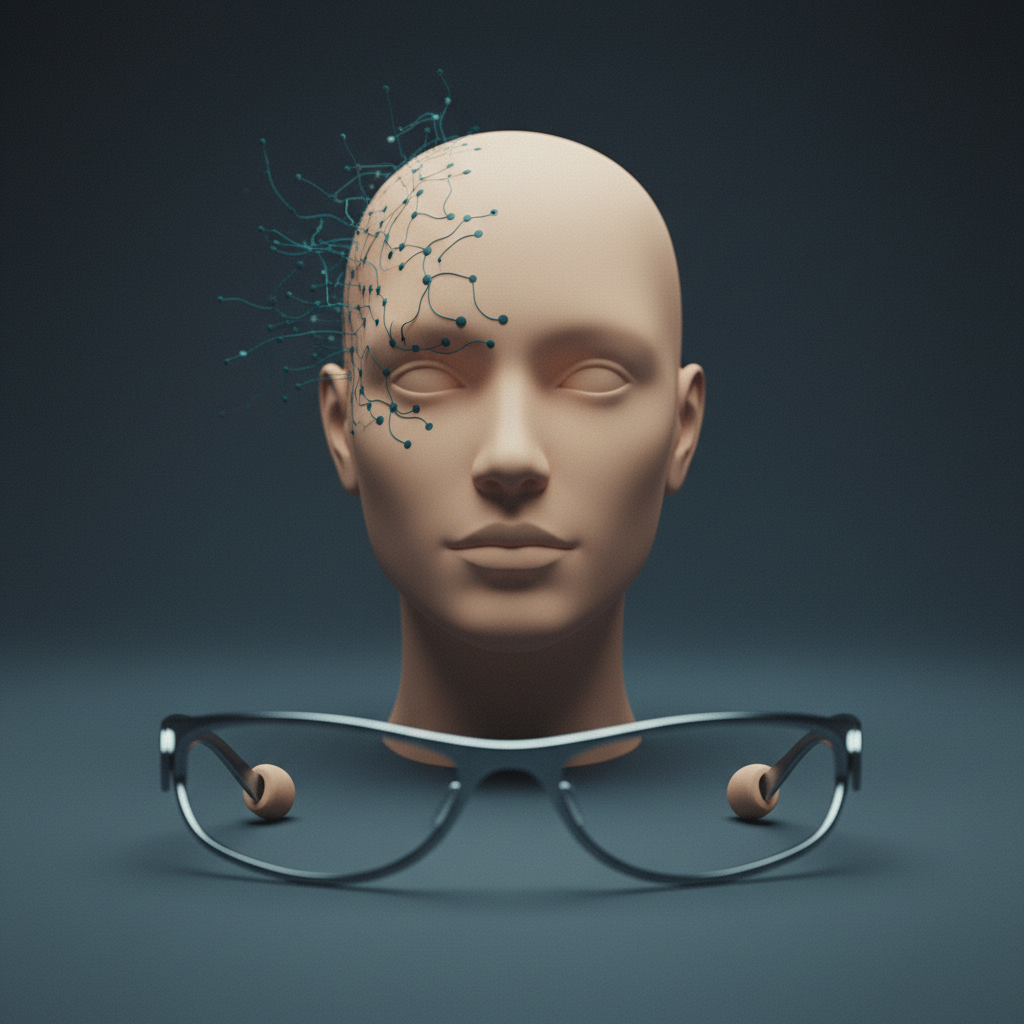
BCI startup Neurable is pivoting to license its non-invasive neural data technology for integration into consumer wearables. This move aims to democratise access to 'mind-reading' capabilities, opening new avenues for highly personalised user experiences and data collection.
What Happened
- •Neurable, a BCI startup, is shifting its business model to license its brain-computer interface technology.
- •The technology focuses on non-invasive neural data collection, often termed 'mind-reading' by its CEO.
- •The primary target for this licensing strategy is consumer wearables, aiming for broad market adoption.
- •The company envisions diverse consumer applications for its neural data insights.
- •This strategic pivot occurred by 28 April 2026, as reported by TechCrunch.
Why It Matters for NZ Marketers
- •NZ marketers could eventually access unprecedented data on consumer engagement and cognitive responses to campaigns.
- •The potential for hyper-personalisation in advertising and product recommendations based on neural feedback could redefine customer journeys.
- •Early adoption or understanding of BCI trends will be crucial for NZ brands to stay competitive in a data-driven global market.
- •Ethical considerations and privacy regulations around neural data collection will become a significant challenge for NZ businesses and policymakers.
- •New Zealand's tech sector might see opportunities in developing BCI-integrated marketing solutions or privacy frameworks.
Strategic Implications
- •Begin exploring the ethical frameworks and consumer acceptance for neural data utilisation in marketing strategies.
- •Investigate potential partnerships with BCI developers or data analytics firms to pilot advanced personalisation initiatives.
- •Develop marketing content and user experiences that are adaptable to real-time cognitive feedback from BCI-enabled devices.
- •Prioritise transparency and consent mechanisms for any future neural data collection to build consumer trust.
- •Anticipate the need for new skill sets in marketing teams, including neuro-marketing specialists and data ethicists.
Future Trend Signals
- •The rise of 'neuro-marketing' as a distinct and powerful discipline within the industry.
- •Increased demand for robust data privacy regulations specifically addressing neural and biometric data.
- •Integration of BCI technology into everyday consumer devices, moving beyond niche applications.
- •The emergence of new advertising models based on cognitive states rather than explicit user actions.
Sources
Editorial note: This analysis is original, AI-assisted editorial content. All source material is attributed with links. No full articles are reproduced. Short excerpts are used under fair dealing principles.
Related Analysis
More posts sharing similar topics
AI & CommerceMeasurement
Evolving Workforce Demands Signal Shifts for NZ Marketers
AI & CommerceMeasurement
CNN's AI Leadership Hire Signals Intensified Data-Driven Media Landscape
AI & CommerceMeasurement
Roblox Age Verification: New Compliance & Targeting Realities for NZ Marketers
AI & CommerceMeasurement
ANZ Forecasts OCR Hikes: What It Means for NZ Marketers
AI & CommerceMeasurement