
NZ Media News
Back to latest



Swift's AI Trademark Bid Signals New Era for Brand IP Protection
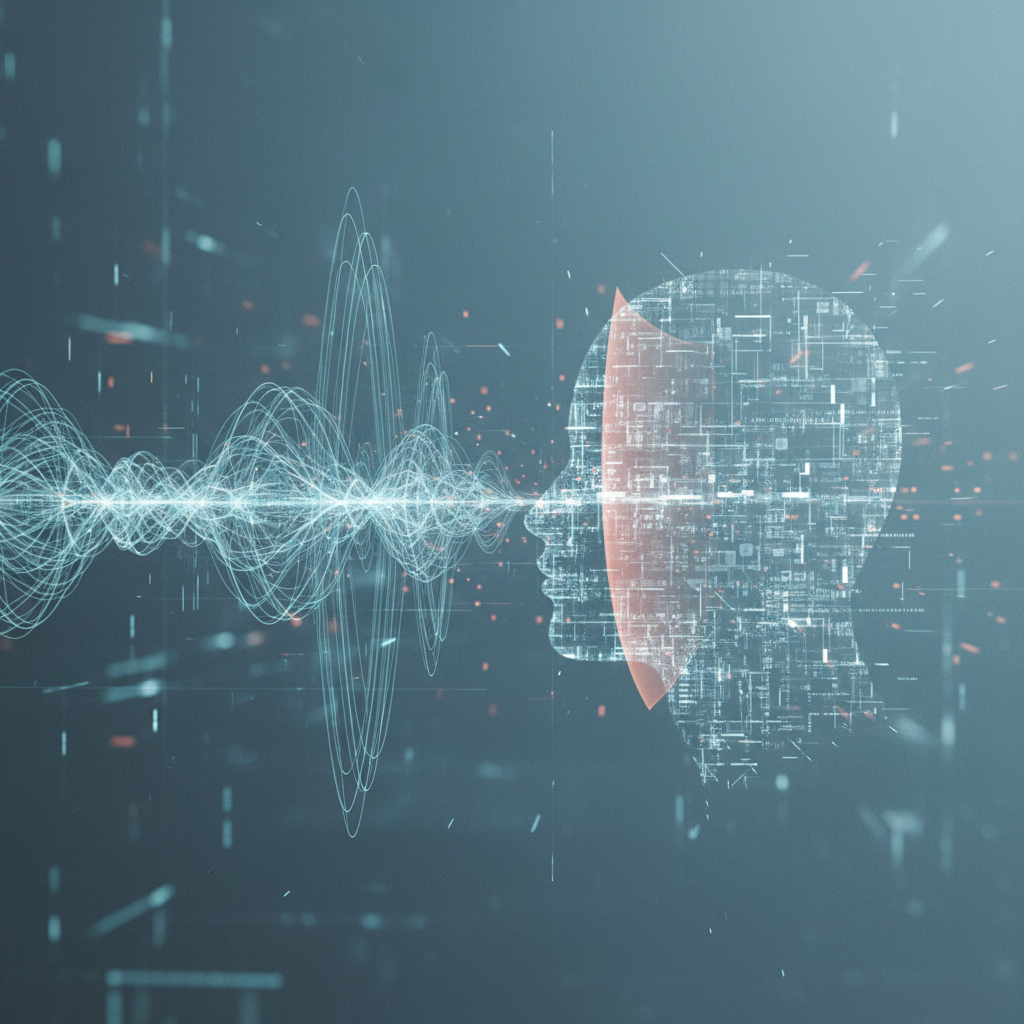
Pop icon Taylor Swift has initiated trademark applications for her distinct voice and likeness, primarily targeting misuse by artificial intelligence. This legal manoeuvre underscores a growing concern among high-profile individuals regarding digital identity theft and unauthorised AI replication, setting a precedent for intellectual property in the creator economy.
What Happened
- •On 24 April 2026, Taylor Swift's company filed three trademark applications with the U.S. Patent & Trademark Office.
- •Two applications specifically cover her unique vocal sound, aiming to protect her voice as a distinct audio trademark.
- •The third application seeks to trademark her likeness, encompassing her visual identity.
- •These filings are largely seen as a proactive measure against the unauthorised use of her identity by AI technologies.
- •The move follows similar actions by other celebrities, indicating a broader trend in IP protection against AI.
- •Source: Variety, 27 April 2026.
Why It Matters for NZ Marketers
- •NZ marketers must now consider the legal and ethical implications of using AI-generated content that mimics public figures or unique brand assets.
- •This case highlights the increasing need for robust intellectual property strategies for NZ brands and creators, especially those with distinct vocal or visual identities.
- •It could influence how NZ advertising agencies approach AI tools for voiceovers, deepfakes, or synthetic media creation.
- •Local talent and influencers in New Zealand may seek similar protections, impacting content creation costs and usage rights.
- •NZ brands leveraging celebrity endorsements or unique brand sounds will need explicit contracts addressing AI replication rights.
- •The precedent could shape future copyright and trademark legislation or guidelines within New Zealand regarding AI-generated content.
Strategic Implications
- •Develop clear internal policies for AI content generation, ensuring compliance with IP laws and ethical standards.
- •Audit existing brand assets and identify unique elements (e.g., brand voice, jingles, mascots) that may require enhanced protection.
- •Review and update influencer and talent contracts to explicitly address AI usage, replication, and ownership of digital likenesses.
- •Investigate AI detection technologies to monitor for unauthorised use of brand IP or talent likenesses.
- •Educate marketing teams on the evolving landscape of AI ethics, copyright, and trademark law.
- •Prioritise authentic content creation over potentially risky AI-generated imitations, especially for high-stakes campaigns.
Future Trend Signals
- •A surge in trademarking unique vocal patterns, visual styles, and digital likenesses by individuals and brands globally.
- •Increased legal battles over AI-generated content infringing on personal or brand IP.
- •Development of new regulatory frameworks and industry standards specifically for AI-driven synthetic media.
- •Greater emphasis on 'proof of humanity' and verifiable authenticity in digital content and advertising.
Sources
Editorial note: This analysis is original, AI-assisted editorial content. All source material is attributed with links. No full articles are reproduced. Short excerpts are used under fair dealing principles.
Related Analysis
More posts sharing similar topics
AI & CommerceCreator Economy
Reddit Engagement: Why Brands Fail and How NZ Marketers Can Succeed
AI & CommerceCreator Economy
Police Scrutiny of Netflix Production Highlights Content Creation Risks
AI & CommerceCreator Economy
Epic Games Layoffs Signal Broader Digital Economy Shifts for NZ Marketers
AI & CommerceCreator Economy
ACCC's Influencer Transparency Fine Signals New Era for NZ Marketers
AI & CommerceCreator Economy