
NZ Media News
Back to latest




Toyota's RAV4 Campaign Taps into Burnout, Offers Escape for Modern Consumers
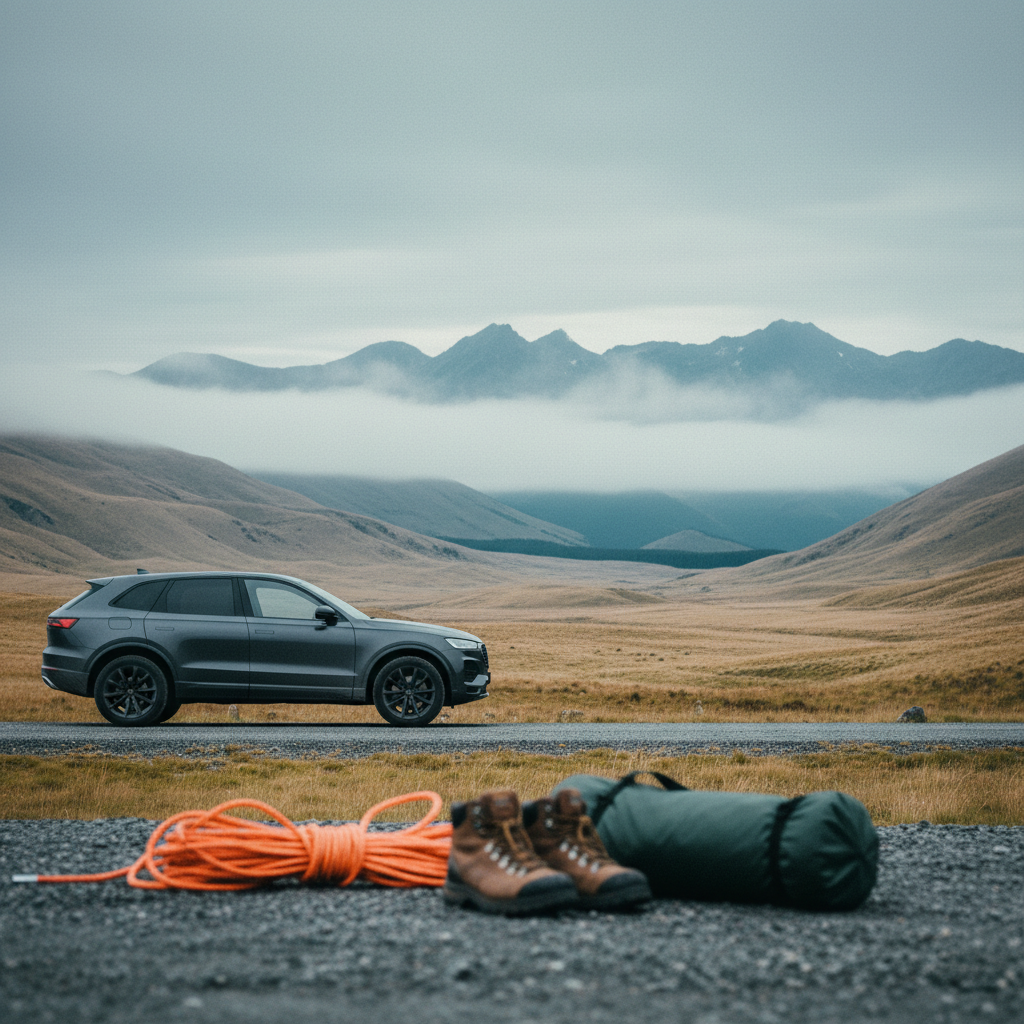
Toyota Australia's latest RAV4 campaign positions the SUV as a remedy for contemporary stress, encouraging outdoor engagement. This strategy highlights a growing consumer desire for experiences over material possessions, offering valuable insights for New Zealand marketers targeting similar demographics.
What Happened
- •Toyota Australia launched a new campaign for the RAV4 small SUV, developed by Saatchi & Saatchi.
- •The campaign, titled 'Long Live Recreation', portrays the RAV4 as a means to escape daily burnout and reconnect with nature.
- •It features individuals discarding unused outdoor gear, symbolising a shift from aspirational ownership to active participation.
- •The messaging focuses on the emotional benefit of recreation and the vehicle's role in facilitating it, rather than just features.
- •The campaign aims to resonate with consumers feeling the pressures of modern life and seeking authentic experiences.
- •The creative execution highlights the vehicle's practicality for outdoor adventures.
Why It Matters for NZ Marketers
- •New Zealand consumers, particularly in urban centres, also experience high levels of work-related stress and seek outdoor escapes.
- •The 'burnout' narrative is highly relatable in NZ, where work-life balance is a frequent discussion point.
- •This campaign demonstrates how a major automotive brand is shifting from product-centric to lifestyle-centric marketing in a comparable market.
- •It provides a blueprint for NZ brands to connect with audiences by addressing their emotional needs and aspirations for a better quality of life.
- •The focus on outdoor recreation aligns strongly with New Zealand's national identity and prevalent leisure activities.
- •It signals a potential shift in consumer values towards experiences and well-being, influencing purchasing decisions across various sectors.
Strategic Implications
- •Marketers should consider how their products or services can be positioned as solutions to modern stressors, not just functional items.
- •Emphasise emotional benefits and aspirational lifestyles over technical specifications in advertising copy and visuals.
- •Explore partnerships with outdoor activity providers or wellness brands to amplify lifestyle messaging.
- •Develop content strategies that showcase authentic experiences and community engagement, rather than just product shots.
- •Understand the evolving consumer psyche: a desire for escape, authenticity, and well-being is a powerful motivator.
- •Assess current brand narratives to ensure they resonate with contemporary challenges and aspirations of the target audience.
Future Trend Signals
- •Increasing importance of 'well-being' and 'escape' as core marketing themes across diverse industries.
- •A continued shift towards experiential marketing that connects products to desired lifestyles and emotional states.
- •Brands will increasingly leverage relatable societal pressures (e.g., burnout) to create deeper consumer connections.
- •The automotive sector, traditionally focused on performance, will lean more into lifestyle and emotional utility messaging.
Sources
Editorial note: This analysis is original, AI-assisted editorial content. All source material is attributed with links. No full articles are reproduced. Short excerpts are used under fair dealing principles.
Related Analysis
More posts sharing similar topics
AI & CommerceAgency
Unified Ad Marketplaces: A Blueprint for NZ Publishers
AI & CommerceAgency
OpenAI's Ad Platform Emerges: Implications for NZ Marketers
AI & CommerceAgency
Instagram Introduces Comment Editing: A New Dynamic for Brand Engagement
AI & CommerceAgency
Dollar Shave Club Challenges Female Grooming Norms with New Line
AI & CommerceAgency