
NZ Media News
Back to latest




YouTube Shorts Democratises Deepfake Tech, Posing Opportunities and Risks for NZ Brands
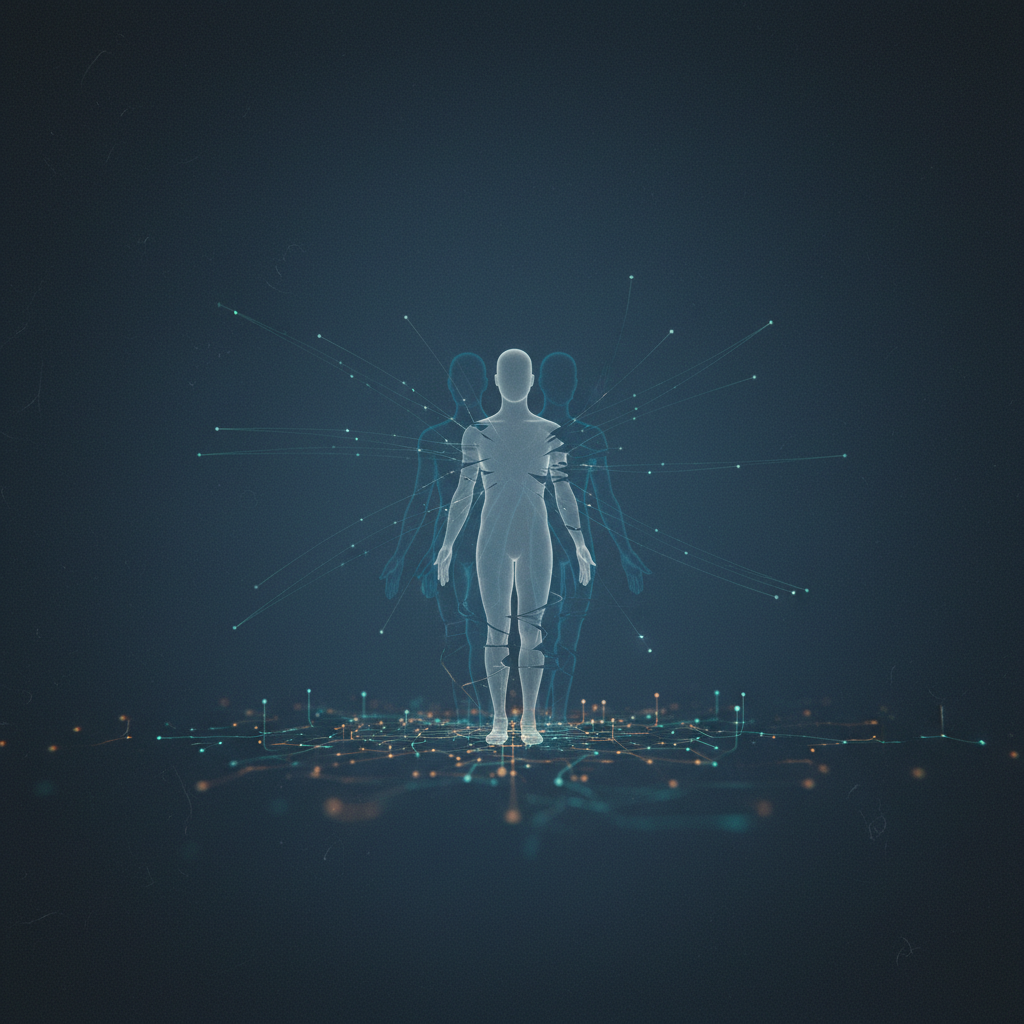
YouTube Shorts is introducing an AI-driven feature allowing creators to generate realistic digital clones of themselves for video content. This development simplifies access to advanced generative AI for content creation, highlighting YouTube's dual approach to AI integration amidst ongoing concerns about misuse. It signals a new era for creator-led content, blending authenticity with synthetic media.
What Happened
- •YouTube Shorts launched an AI-powered tool enabling creators to generate realistic digital avatars of themselves for video content (The Verge, 9 April 2026).
- •This feature allows users to easily create self-clones for on-camera appearances, simplifying advanced video production.
- •The rollout reflects YouTube's strategy to integrate more generative AI features into its platform.
- •The platform continues to grapple with challenges like AI-generated misinformation, deepfake scams, and impersonation while expanding AI capabilities.
- •The new tool aims to empower creators with innovative ways to produce content, hinting at a future where synthetic media is more accessible.
- •This move follows earlier indications of YouTube's intent to introduce such AI functionalities.
Why It Matters for NZ Marketers
- •NZ marketers must assess the potential for local creators to leverage this tool, impacting influencer marketing strategies and content authenticity.
- •Brands need to develop clear guidelines for engaging with AI-generated influencer content to maintain trust with NZ consumers.
- •The ease of creating digital clones could lead to a surge in AI-assisted content, requiring NZ marketers to differentiate genuine human interaction from synthetic.
- •Opportunities arise for NZ brands to experiment with AI-generated brand ambassadors or personalised content at scale, reducing production costs.
- •Increased risk of brand impersonation or association with AI-generated misinformation on Shorts demands enhanced brand safety protocols for NZ campaigns.
- •NZ agencies and creators can explore new creative avenues, potentially offering more dynamic and scalable content solutions for clients.
Strategic Implications
- •Integrate AI content creation tools into marketing workflows to enhance efficiency and explore new creative formats.
- •Prioritise transparency with audiences regarding the use of AI in brand communications and influencer collaborations.
- •Invest in robust brand monitoring tools to detect and respond to potential misuse of AI-generated content involving your brand.
- •Develop a clear ethical framework for AI use in marketing, addressing authenticity, intellectual property, and consumer trust.
- •Educate marketing teams on the capabilities and limitations of generative AI to fully leverage its potential while mitigating risks.
- •Explore strategic partnerships with early adopter creators who are experimenting responsibly with these new AI tools.
Future Trend Signals
- •The democratisation of advanced AI content creation will accelerate, making sophisticated tools accessible to a wider audience.
- •The line between human-generated and AI-generated content will increasingly blur, necessitating greater media literacy and disclosure.
- •Platforms will continue to balance the innovation of generative AI with the imperative to combat its misuse and maintain platform integrity.
- •Personalised and scalable content production, driven by AI, will become a standard expectation in digital marketing.
Sources
Editorial note: This analysis is original, AI-assisted editorial content. All source material is attributed with links. No full articles are reproduced. Short excerpts are used under fair dealing principles.
Related Analysis
More posts sharing similar topics
AI & CommerceStreaming
Griffin's Content Pivot: A Blueprint for Authentic Brand Storytelling
AI & CommerceStreaming
Youth Creator Economy Fuels Million-Dollar Meme Market
AI & CommerceStreaming
AI Content Safety for Kids: A Growing Concern for NZ Marketers on YouTube
AI & CommerceStreaming
Adobe's Star-Studded Web Series Signals New Era for Branded Content
AI & CommerceStreaming