
NZ Media News
Back to latest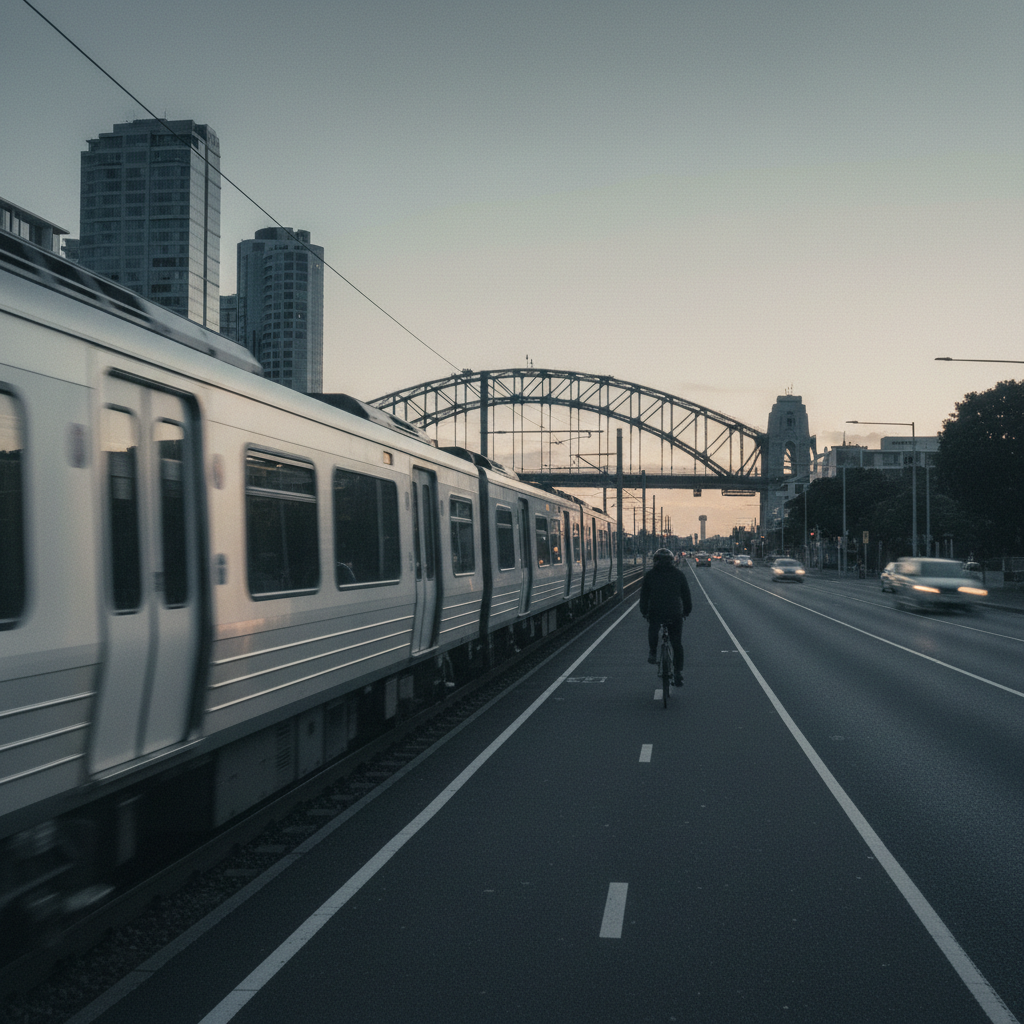




Auckland's Commute Shift: Fewer Cars, More Public Transport and Bikes
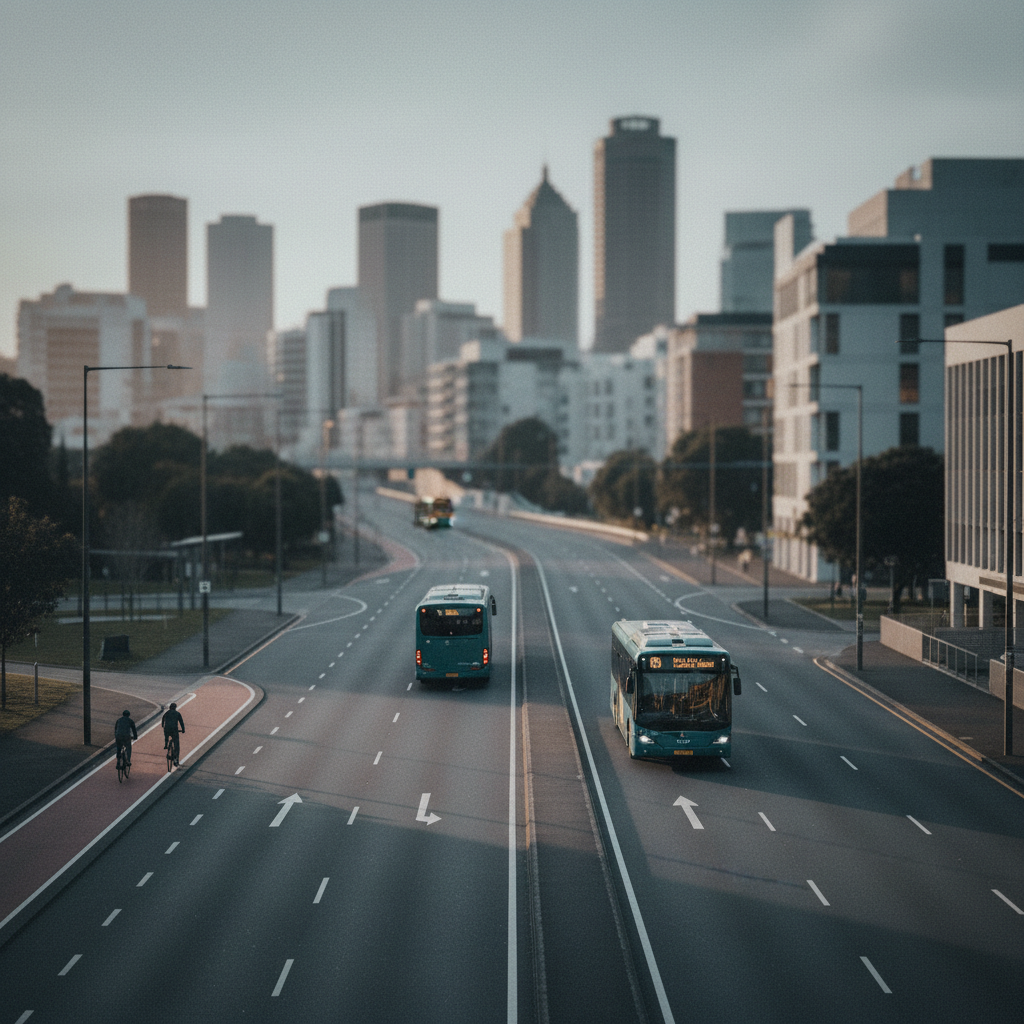
Recent observations in Auckland indicate a significant shift in commuting habits, with fewer vehicles on key arterial routes like Onewa Road during peak hours. This change is attributed to increased adoption of public transport and cycling, leading to clearer roads for those still driving.
What Happened
- •Auckland's Onewa Road, historically congested by 7am, is experiencing clearer traffic flows.
- •This reduction in vehicle numbers during peak commute times suggests a change in urban mobility.
- •More commuters are opting for public transport, specifically buses, as well as cycling.
- •The improved traffic conditions benefit remaining drivers, making their journeys faster.
- •The phenomenon highlights a paradox where driving experience improves due to fewer drivers.
- •The observations are specific to Auckland's North Shore commuting patterns as of 9 April 2026.
Why It Matters for NZ Marketers
- •Changes in commuter behaviour directly impact audience availability for Out-of-Home (OOH) advertising along traditional routes.
- •Increased public transport usage creates new captive audiences for transit media and digital screens within buses/stations.
- •Fewer cars on roads could reduce impressions for roadside billboards, necessitating re-evaluation of OOH placements.
- •Understanding these shifts is crucial for location-based marketing strategies targeting specific demographics.
- •It signals potential for growth in active transport infrastructure and related marketing opportunities.
- •This trend reflects broader urban planning impacts on daily routines for a significant portion of Auckland's workforce.
Strategic Implications
- •Reallocate OOH budgets from traditional roadside placements to transit media, bus shelters, and digital screens in public transport hubs.
- •Develop targeted campaigns leveraging location data to reach specific commuter segments on their chosen modes of transport.
- •Explore partnerships with public transport providers or cycling advocacy groups for integrated marketing initiatives.
- •Adjust messaging and creative for OOH to reflect shorter dwell times for drivers, focusing on quick, impactful visuals.
- •Investigate opportunities in hyper-local marketing around public transport nodes and cycleways.
- •Consider the environmental and lifestyle values associated with public transport/cycling in brand messaging to resonate with evolving consumer preferences.
Future Trend Signals
- •Continued growth in public transport and active commuting, especially in major urban centres like Auckland.
- •Increased demand for integrated, multi-modal transport solutions and associated digital services.
- •Evolution of OOH advertising towards more dynamic, contextually relevant, and digitally integrated formats.
- •Greater emphasis on sustainable and efficient urban mobility solutions influencing consumer choices and brand alignment.
Sources
Editorial note: This analysis is original, AI-assisted editorial content. All source material is attributed with links. No full articles are reproduced. Short excerpts are used under fair dealing principles.
Related Analysis
More posts sharing similar topics
PoliticsMeasurement
NZ Commuter Shift: Fuel Crisis Reshapes Urban Mobility and Marketing Focus
PoliticsMeasurement
Australian Gambling Ad Crackdown Signals Potential NZ Regulatory Shift
PoliticsMeasurement
Supply Chain Volatility: Geopolitical Tensions Drive Up NZ Construction Costs
PoliticsMeasurement
Political Discourse Intensifies: Navigating Consumer Sentiment in NZ's Election Year
PoliticsMeasurement