
NZ Media News
Back to latest




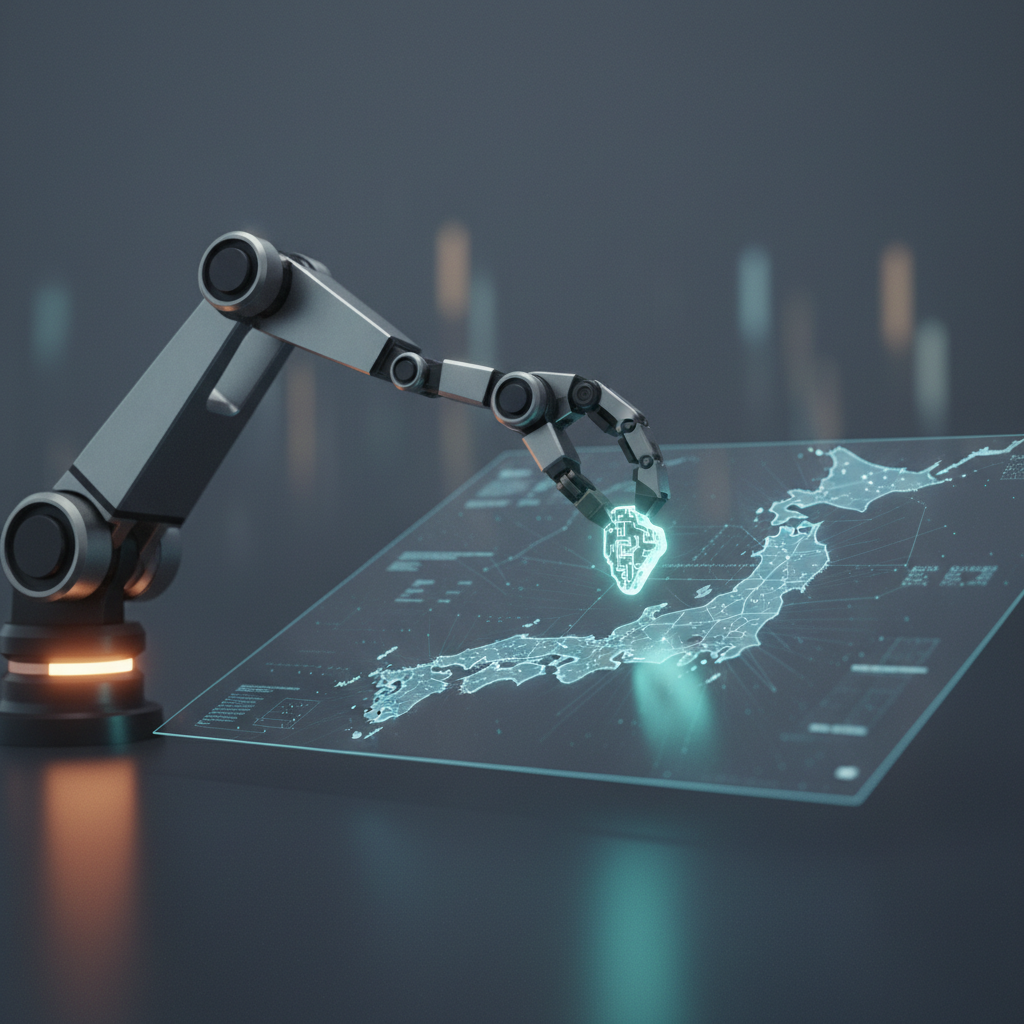
Robotics and AI: Japan's Blueprint for Addressing Labour Shortages
Japan is rapidly deploying physical AI and robotics to fill critical labour gaps, moving beyond experimental phases into practical, real-world applications. This strategic shift is driven by demographic challenges and a need to maintain economic productivity, offering a glimpse into future operational models.
What Happened
- •Japan is transitioning physical AI and robotics from pilot projects to widespread operational deployment.
- •The primary catalyst for this accelerated adoption is severe labour shortages across various sectors.
- •AI-powered robots are increasingly being used for tasks considered undesirable or difficult for human workers.
- •This initiative aims to sustain economic output and societal function despite a shrinking workforce.
- •The focus is on practical, immediate solutions rather than long-term theoretical development.
- •Source: TechCrunch, 5 April 2026.
Why It Matters for NZ Marketers
- •New Zealand faces similar, albeit less severe, labour challenges in sectors like agriculture, healthcare, and hospitality.
- •NZ businesses could proactively explore AI and robotics to mitigate future workforce constraints and enhance efficiency.
- •Consumer perceptions in NZ towards service automation and AI integration will influence adoption rates and marketing strategies.
- •Early adoption in specific sectors could provide a competitive advantage for NZ companies.
- •The ethical and social implications of AI deployment, including job displacement concerns, will need careful consideration in the NZ context.
- •Marketing communications will need to educate and reassure consumers about the benefits and roles of AI in service delivery.
Strategic Implications
- •Marketers should prepare for a future where AI and robotics influence service delivery and customer experience.
- •Develop marketing strategies that highlight efficiency, availability, and consistency delivered by automation.
- •Investigate AI for internal marketing operations, such as content generation, data analysis, and customer service automation.
- •Consider how AI-driven insights can refine targeting and personalisation efforts.
- •Evaluate the potential for AI to automate repetitive marketing tasks, freeing up human talent for strategic roles.
- •Brand messaging may need to adapt to explain the 'why' behind AI integration, focusing on improved service or product quality.
Future Trend Signals
- •Increased integration of physical AI into customer-facing roles and supply chains globally.
- •The rise of 'AI-as-a-service' models for businesses seeking automation without significant upfront investment.
- •A growing need for specialised marketing talent capable of communicating AI-driven value propositions.
- •Shifts in consumer expectations regarding speed, personalisation, and 24/7 availability driven by AI capabilities.
Sources
Editorial note: This analysis is original, AI-assisted editorial content. All source material is attributed with links. No full articles are reproduced. Short excerpts are used under fair dealing principles.
Related Analysis
More posts sharing similar topics
AI & CommerceMeasurement
Australian Media Index Rebounds, Signalling Trans-Tasman Resilience
AI & CommerceMeasurement
Air NZ's Fleet Expansion Signals Evolving Market Reach
AI & CommerceMeasurement
Asian Content Market Resurgence Signals New Opportunities for NZ Marketers
AI & CommerceMeasurement
Digital Dominance: NZ Ad Spend Shifts Further Online
AI & CommerceMeasurement