
NZ Media News
Back to latest




NZ Agribusiness Must Amplify Ethical Science to Counter Alternative Proteins
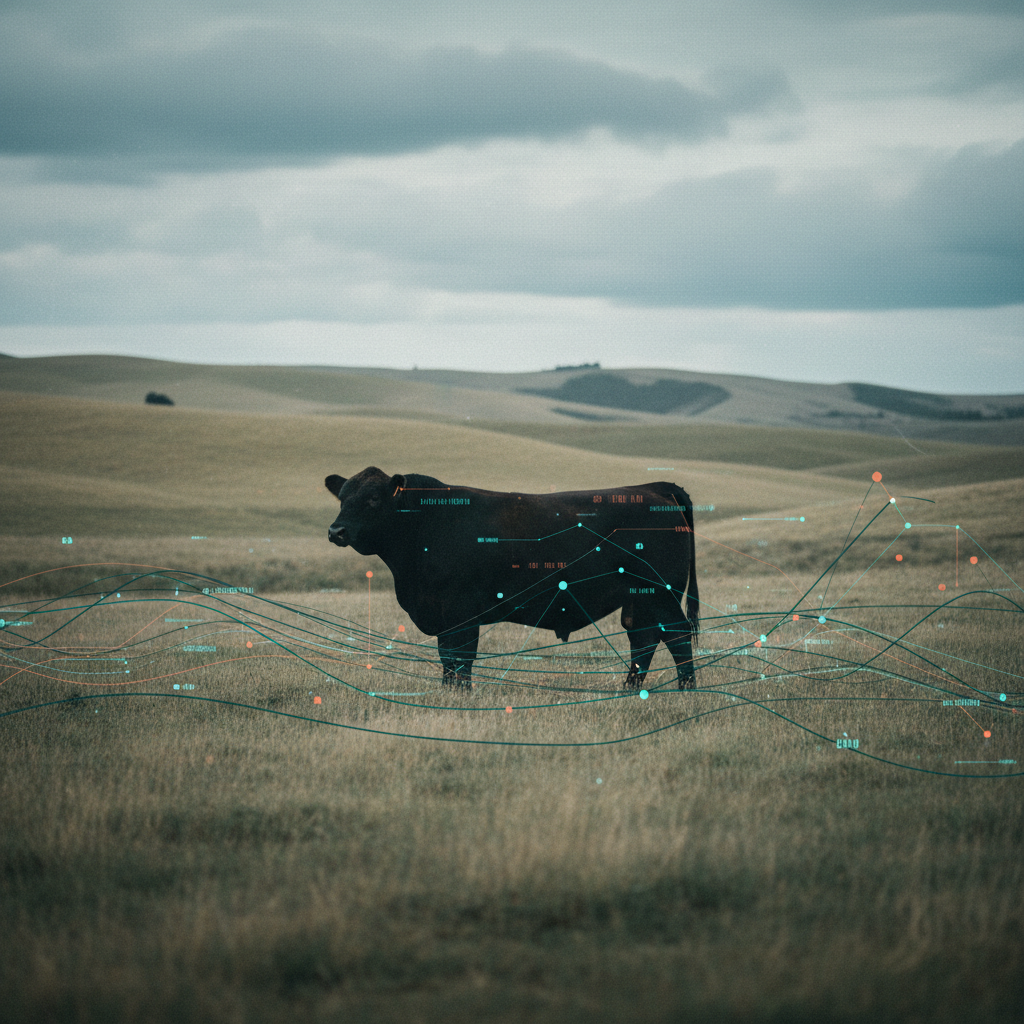
New Zealand's premium beef sector, exemplified by Angus, possesses significant advantages in ethical and scientific farming practices. However, a tendency towards humility means these strengths are often undercommunicated, leaving an opening for alternative protein narratives to gain traction. Marketers must strategically highlight these inherent differentiators to secure market position.
What Happened
- •The New Zealand Angus beef industry leverages advanced scientific methods and ethical farming for superior product quality.
- •NZ farmers are recognised for their commitment to animal welfare and sustainable practices.
- •Despite strong foundational ethics and science, the industry often understates its unique selling propositions.
- •Alternative protein products are actively marketing their offerings, sometimes without the same depth of ethical or scientific backing.
- •There's a perceived gap between the actual value proposition of NZ premium meat and its public perception.
- •The article suggests NZ producers need to be more vocal about their advantages.
Why It Matters for NZ Marketers
- •NZ's primary sector, a cornerstone of the economy, faces increasing competition from global alternative protein markets.
- •Maintaining premium market access and pricing for NZ meat exports relies heavily on strong brand differentiation and consumer perception.
- •Domestic consumers are increasingly scrutinising food origins and ethical production, influencing purchasing decisions.
- •The 'humble' approach risks allowing competitors to define the narrative around food production and sustainability.
- •Effective communication of NZ's agricultural integrity can bolster national brand reputation and export value.
- •Protecting market share against 'fake meat' requires proactive, not reactive, marketing strategies.
Strategic Implications
- •Develop integrated marketing campaigns that prominently feature NZ's scientific farming and ethical animal welfare standards.
- •Invest in transparent storytelling, using data and farmer testimonials to build trust and authenticity.
- •Collaborate across the industry to create a unified 'NZ premium produce' narrative that counters alternative protein claims.
- •Educate consumers on the environmental benefits and nutritional value of sustainably raised NZ meat.
- •Leverage digital platforms and content marketing to reach global audiences with compelling origin stories.
- •Position NZ meat not just as a product, but as a commitment to ethical and sustainable food systems.
Future Trend Signals
- •Increased consumer demand for verifiable ethical and sustainable food sourcing will intensify.
- •The battle for narrative dominance between traditional agriculture and alternative proteins will escalate.
- •Technology will play a larger role in verifying and communicating provenance and ethical practices.
- •Brands that effectively integrate science, ethics, and storytelling will gain significant competitive advantage.
Sources
Editorial note: This analysis is original, AI-assisted editorial content. All source material is attributed with links. No full articles are reproduced. Short excerpts are used under fair dealing principles.
Related Analysis
More posts sharing similar topics
AI & CommerceMeasurement
CTV Measurement Faces Incrementality Test as Retail Media Evolves
AI & CommerceMeasurement
NZ Sharemarket Dip Signals Caution for Marketers
AI & CommerceMeasurement
Nvidia CEO's AGI Claim: What it Means for NZ Marketing's AI Future
AI & CommerceMeasurement
BBC Studios' Cross-Platform Strategy: A Blueprint for NZ Content Monetisation
AI & CommerceMeasurement