NZ Media News
Back to latest




Microsoft's New AI Models Intensify Global Competition, Reshaping NZ Marketing Capabilities
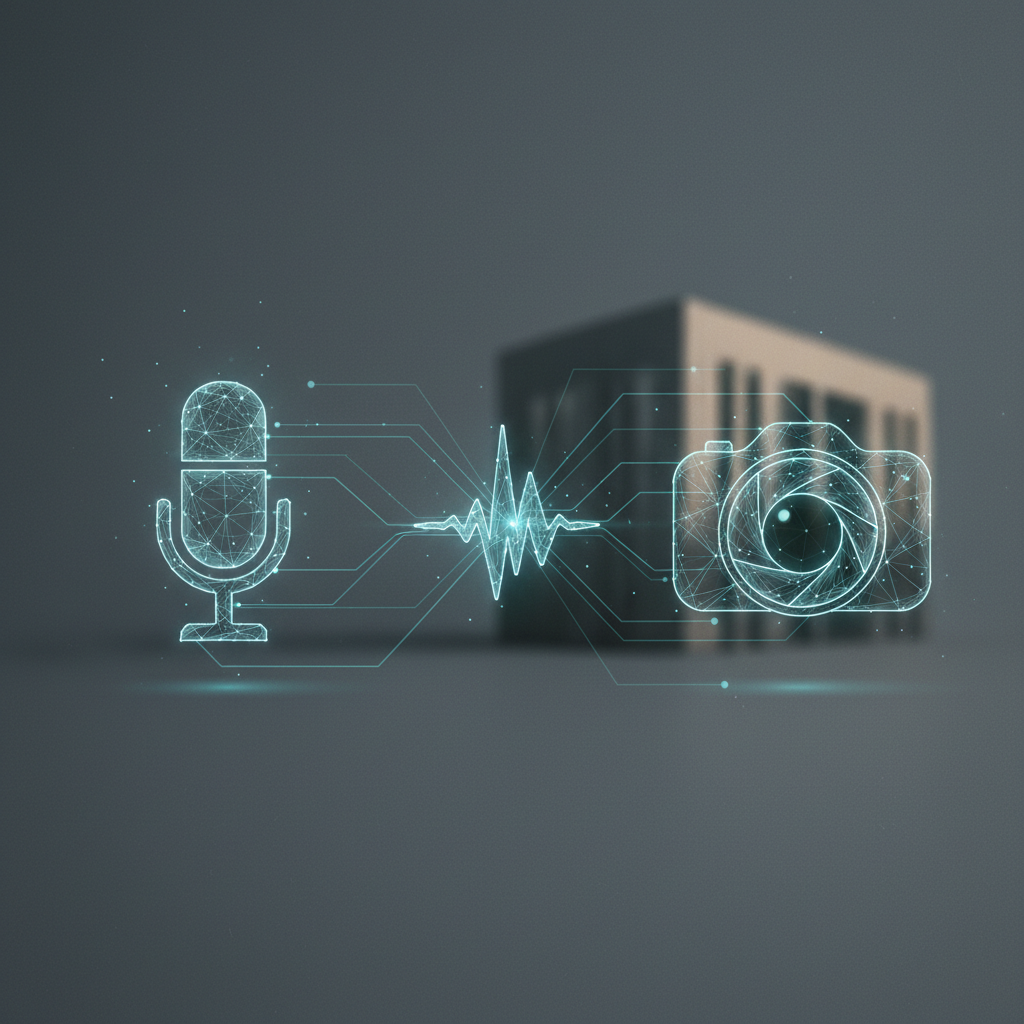
Microsoft has unveiled three new foundational AI models, expanding its capabilities in voice-to-text, audio generation, and image creation. This move escalates competition in the AI landscape, offering marketers enhanced tools for content and engagement.
What Happened
- •Microsoft introduced three new foundational AI models through its MAI initiative on 2 April 2026.
- •These models include capabilities for transcribing voice into text, generating audio content, and creating images.
- •The release follows six months of development since the MAI group's formation.
- •This expansion positions Microsoft more competitively against other major AI developers.
- •The new models are expected to integrate into Microsoft's broader ecosystem, enhancing its enterprise offerings.
- •The technology aims to improve efficiency and creativity in various digital applications.
Why It Matters for NZ Marketers
- •NZ marketers gain access to more sophisticated, integrated AI tools within the Microsoft ecosystem for content creation and campaign execution.
- •Increased competition among AI providers could lead to more affordable and innovative AI solutions becoming available in the New Zealand market.
- •Local agencies and brands can leverage these new models to automate content production, from audio ads to visual assets, potentially reducing production costs.
- •Enhanced voice-to-text capabilities will improve accessibility and search engine optimisation for audio and video content targeting NZ audiences.
- •The availability of advanced image generation tools offers new avenues for personalised and dynamic creative campaigns for Kiwi consumers.
- •NZ businesses reliant on Microsoft services may see immediate benefits through embedded AI features, streamlining workflows.
Strategic Implications
- •Evaluate current content creation workflows to identify opportunities for AI integration, particularly in audio and visual asset production.
- •Investigate how Microsoft's new models can enhance personalisation at scale, creating more relevant experiences for diverse NZ customer segments.
- •Develop strategies for leveraging AI-generated content while maintaining brand authenticity and compliance with local advertising standards.
- •Assess the competitive landscape for AI tools and consider diversifying AI partnerships beyond a single provider.
- •Prioritise upskilling marketing teams in prompt engineering and AI content validation to maximise the utility of these new models.
- •Explore AI's potential for more efficient and accurate measurement of campaign performance, especially for audio and visual content.
Future Trend Signals
- •The trend towards multimodal AI capabilities will accelerate, making content creation more integrated and seamless.
- •Increased competition will drive rapid innovation and potentially lower costs for advanced AI tools, democratising access.
- •AI will become an indispensable component of every stage of the marketing funnel, from ideation to measurement.
- •Ethical considerations and governance for AI-generated content will become paramount as capabilities advance.
Sources
Editorial note: This analysis is original, AI-assisted editorial content. All source material is attributed with links. No full articles are reproduced. Short excerpts are used under fair dealing principles.
Related Analysis
More posts sharing similar topics
AI & CommerceMeasurement
TVNZ Restructuring Signals Shifting NZ Media Investment Priorities
AI & CommerceMeasurement
NZ Marketers Must Prioritise AI Velocity Over Perfection
AI & CommerceMeasurement
Defamation Verdict Against TVNZ Underscores Media Accountability
AI & CommerceMeasurement
QMS Rebrands: Aotearoa's OOH Landscape Shifts
AI & CommerceMeasurement