
NZ Media News
Back to latest




New Balance Embraces Hands-Free Footwear Innovation
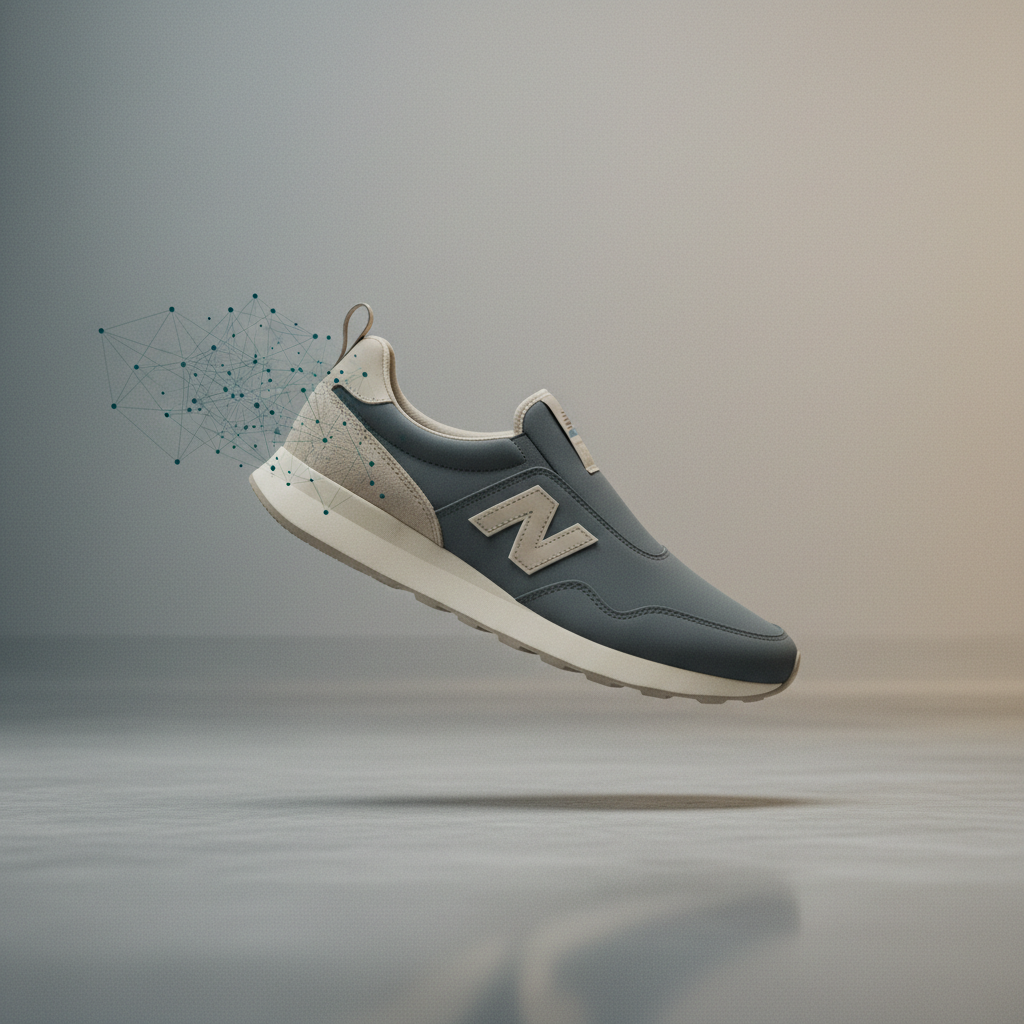
New Balance has announced a licensing agreement with HandsFree Labs, the parent company of Kizik, to integrate slip-in technology into its footwear line. This collaboration aims to introduce hands-free sneakers to New Balance customers, enhancing convenience and accessibility in athletic and lifestyle shoes.
What Happened
- •New Balance entered a licensing agreement with HandsFree Labs, owner of the Kizik brand.
- •This partnership will enable New Balance to incorporate patented hands-free footwear technology.
- •The goal is to offer slip-in sneakers to New Balance consumers, starting by 2027.
- •HandsFree Labs' technology allows shoes to be put on and taken off without bending or using hands.
- •The collaboration signals a focus on convenience and accessibility in athletic footwear.
- •Source: Retail Dive, 31 March 2026.
Why It Matters for NZ Marketers
- •NZ consumers, particularly an aging population and busy parents, value convenience, making hands-free tech highly appealing.
- •This innovation could differentiate New Balance in a competitive NZ athletic footwear market, attracting new customer segments.
- •It sets a precedent for other global brands to bring similar convenience-focused product innovations to the NZ market.
- •NZ retailers stocking New Balance will gain a unique selling proposition, potentially driving foot traffic and online sales.
- •It highlights a growing global trend towards inclusive design, which resonates with NZ's diverse consumer base.
- •This move could influence local NZ footwear brands to explore similar technological integrations or partnerships.
Strategic Implications
- •Marketers should emphasize convenience and accessibility in product messaging, aligning with evolving consumer lifestyles.
- •Brands can explore strategic licensing or partnership models to rapidly integrate innovative technologies without extensive R&D.
- •Consider how product innovation can address specific pain points for diverse customer segments, such as mobility challenges.
- •Invest in understanding niche consumer needs that can be met with novel product features, creating competitive advantage.
- •Leverage product differentiation to justify premium pricing or expand market share in saturated categories.
- •Evaluate the potential for cross-category application of convenience-driven technologies in other consumer goods.
Future Trend Signals
- •Increasing demand for 'effortless' products that simplify daily routines and enhance user experience.
- •Growth in licensing and strategic partnerships as a faster route to market for specialized technologies.
- •Greater emphasis on inclusive design and accessibility in mainstream consumer products.
- •The convergence of fashion, function, and technology to meet evolving consumer expectations for convenience.
Sources
Editorial note: This analysis is original, AI-assisted editorial content. All source material is attributed with links. No full articles are reproduced. Short excerpts are used under fair dealing principles.
Related Analysis
More posts sharing similar topics
AI & CommerceBrand
Instagram Explores Paid Features, Reshaping User Anonymity and Data Access
AI & CommerceBrand
Fanta's Global Gaming Play: A Blueprint for NZ Brands
AI & CommerceBrand
Unpacking the 'Pale Stale Male' Consumer: Insights for NZ Marketers
AI & CommerceBrand
Consumer Skepticism: Half Prefer Brands Eschewing Generative AI, Gartner Reports
AI & CommerceBrand