
NZ Media News
Back to latest



Auckland's Smart City Evolution: AI's Impact on Urban Marketing
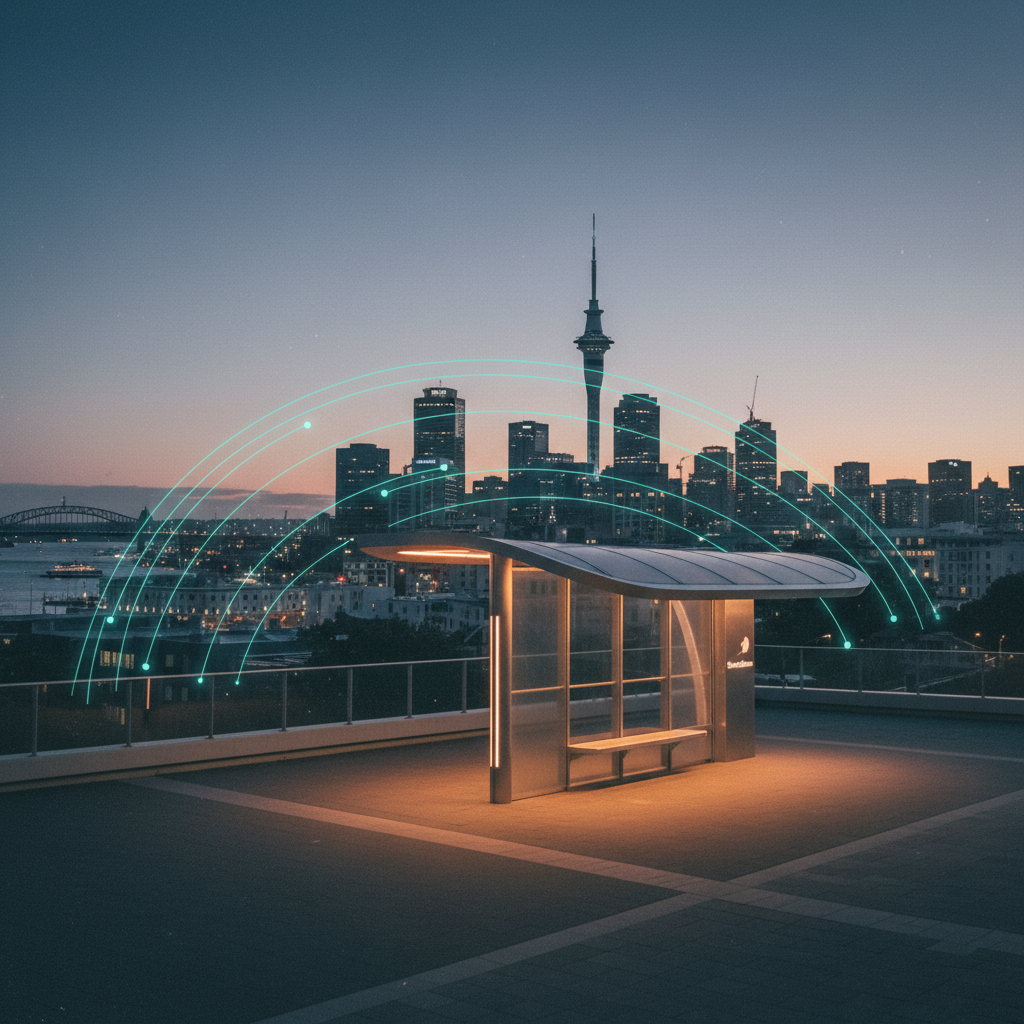
Auckland is advancing its smart city initiatives, integrating physical AI technologies to enhance urban infrastructure and public services. This development signals a shift towards more data-driven and responsive urban environments, creating new avenues for marketers to engage with consumers.
What Happened
- •Auckland is implementing 'physical AI' solutions to develop a smarter urban environment (NZ Herald, 26 March 2026).
- •Existing examples include solar-powered SmartBeam shelters offering phone charging for commuters (NZ Herald, 26 March 2026).
- •These initiatives aim to improve daily life through intelligent infrastructure (NZ Herald, 26 March 2026).
Why It Matters for NZ Marketers
- •Increased urban data collection will offer unprecedented insights into citizen behaviour and movement patterns for NZ marketers.
- •The rise of connected urban infrastructure creates new opportunities for hyper-localised and contextually relevant advertising.
- •Early adoption of 'physical AI' in public spaces could set a precedent for other New Zealand cities, expanding the smart city marketing landscape.
- •Marketers need to understand the ethical and privacy implications of data gathered from smart city infrastructure, particularly concerning NZ regulations.
Strategic Implications
- •Develop location-based marketing strategies that leverage smart city data for precise audience targeting and personalised messaging.
- •Explore partnerships with smart city developers or infrastructure providers to integrate brand experiences into urban environments.
- •Invest in AI-driven analytics to interpret complex urban data streams and identify emerging consumer needs or service gaps.
- •Prioritise transparency and privacy in data usage to build trust with consumers engaging with smart city technologies.
Future Trend Signals
- •The convergence of physical and digital spaces will accelerate, leading to more interactive and adaptive out-of-home advertising.
- •Personalised urban experiences driven by AI will become a key differentiator for cities and a new frontier for brand engagement.
- •Data privacy and ethical AI use will be paramount, shaping regulatory frameworks and consumer expectations for smart city marketing.
Sources
Editorial note: This analysis is original, AI-assisted editorial content. All source material is attributed with links. No full articles are reproduced. Short excerpts are used under fair dealing principles.
Related Analysis
More posts sharing similar topics
AI & CommerceMeasurement
Auckland Midtown Transformation Creates New Marketing Landscape
AI & CommerceMeasurement
DOOH Evolution: QMS NZ Insights Point to Data-Driven Future
AI & CommerceMeasurement
AI Autonomy Rises: Anthropic's Claude Code Signals New Era for Marketing Efficiency
AI & CommerceMeasurement
Hollywood Meets Creators: A New Model for Audience Engagement and Monetisation Emerges
AI & CommerceMeasurement