
NZ Media News
Back to latest



Zuru's Tariff Lawsuit Signals Broader Trade Risk for NZ Brands
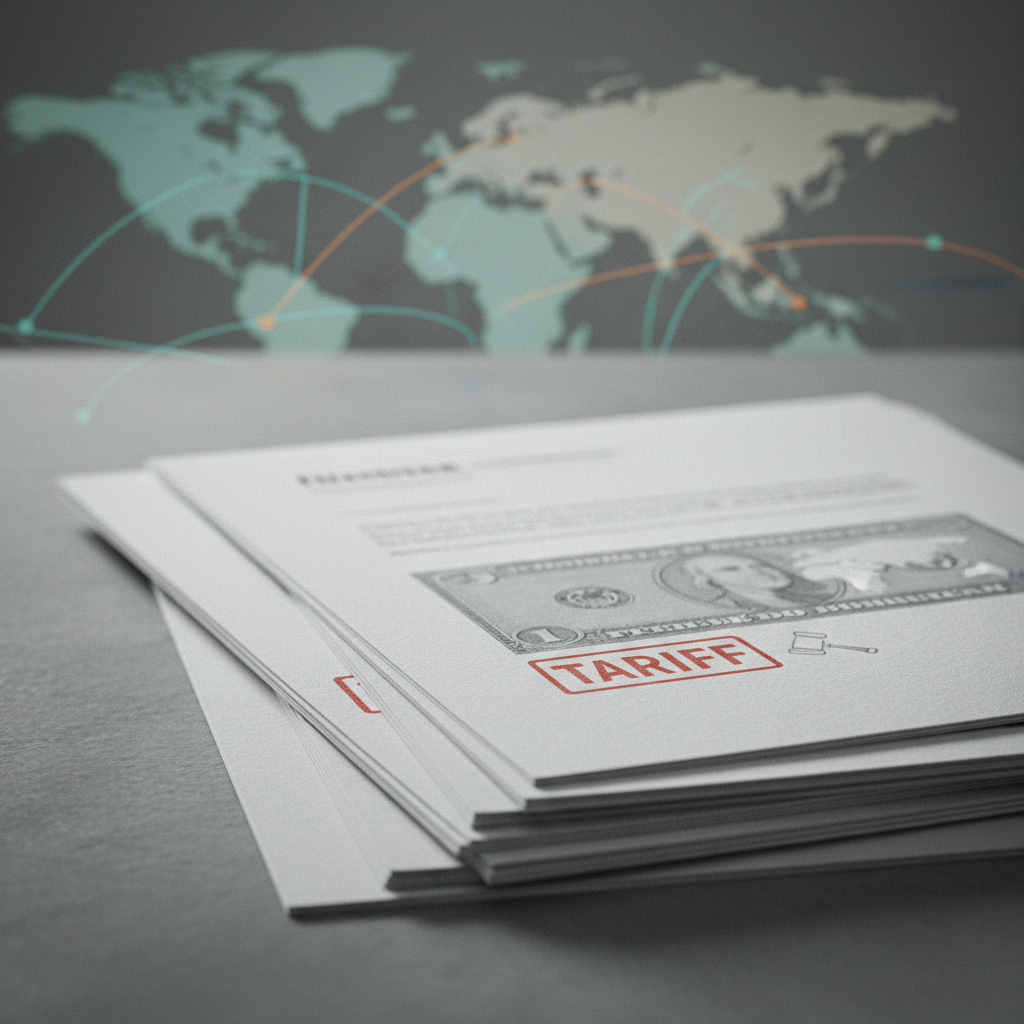
NZ toy giant Zuru is suing the US government for a substantial refund, alleging unlawful tariffs imposed during the Trump administration. This legal action highlights the significant financial and operational impact of geopolitical trade policies on New Zealand companies operating internationally.
What Happened
- •Zuru has initiated legal proceedings against the US government, seeking a refund for tariffs paid on goods imported from China.
- •The lawsuit claims these Section 301 tariffs, imposed under the Trump administration, were illegal.
- •Zuru joins numerous other companies in a collective legal challenge aiming to recover billions in tariff payments.
- •The tariffs affected a wide range of products, including toys, impacting Zuru's cost of goods and profitability.
- •The legal action could result in a significant financial repayment to Zuru if successful.
- •The case reflects ongoing scrutiny of US trade policies and their global economic ramifications.
Why It Matters for NZ Marketers
- •Zuru's legal battle underlines the vulnerability of NZ brands with global supply chains to international trade disputes and policy shifts.
- •Potential multi-million dollar refunds could significantly impact Zuru's investment capacity, potentially boosting marketing budgets or product development.
- •The case sets a precedent for how other NZ companies might challenge or mitigate the financial impact of future trade barriers.
- •Highlights the importance of robust legal and financial planning for NZ businesses expanding into complex international markets.
- •For NZ consumers, tariff costs can indirectly influence product pricing, making successful legal challenges beneficial.
- •The high-profile nature of Zuru's action elevates awareness of trade policy risks among the wider NZ business community.
Strategic Implications
- •Marketers must consider geopolitical risks when planning international brand expansion and supply chain strategies.
- •Brands need to factor potential tariff costs and trade uncertainties into pricing models and promotional strategies.
- •Diversifying manufacturing and sourcing locations can mitigate future tariff impacts and enhance supply chain resilience.
- •Effective public relations and stakeholder communication are crucial when navigating high-stakes legal and political challenges.
- •Legal departments should proactively assess and challenge trade policies that adversely affect business operations and profitability.
- •The outcome could influence investment decisions in market entry and expansion for NZ companies in key export markets.
Future Trend Signals
- •Increased scrutiny and legal challenges against protectionist trade policies are likely to continue globally.
- •Companies will prioritize supply chain resilience and geographical diversification to minimise geopolitical exposure.
- •The intersection of international law, trade policy, and corporate finance will become a more critical area for business strategy.
- •Brands will need to develop sophisticated risk management frameworks to anticipate and respond to trade policy shifts.
Sources
Editorial note: This analysis is original, AI-assisted editorial content. All source material is attributed with links. No full articles are reproduced. Short excerpts are used under fair dealing principles.
Related Analysis
More posts sharing similar topics
PoliticsBrand
Community Backlash Highlights Brand Risk in Local Development
PoliticsBrand
Prediction Markets Court Media, Offering New Data Streams for NZ Marketers
PoliticsBrand
Societal Trauma's Enduring Echo: Implications for NZ Brand Narratives
PoliticsBrand
RBNZ's Inflation Stance Signals Enduring Economic Headwinds for NZ Marketers
PoliticsBrand