NZ Media News
Back to latest




Microsoft Responds to User Demand with Flexible Windows 11 UI
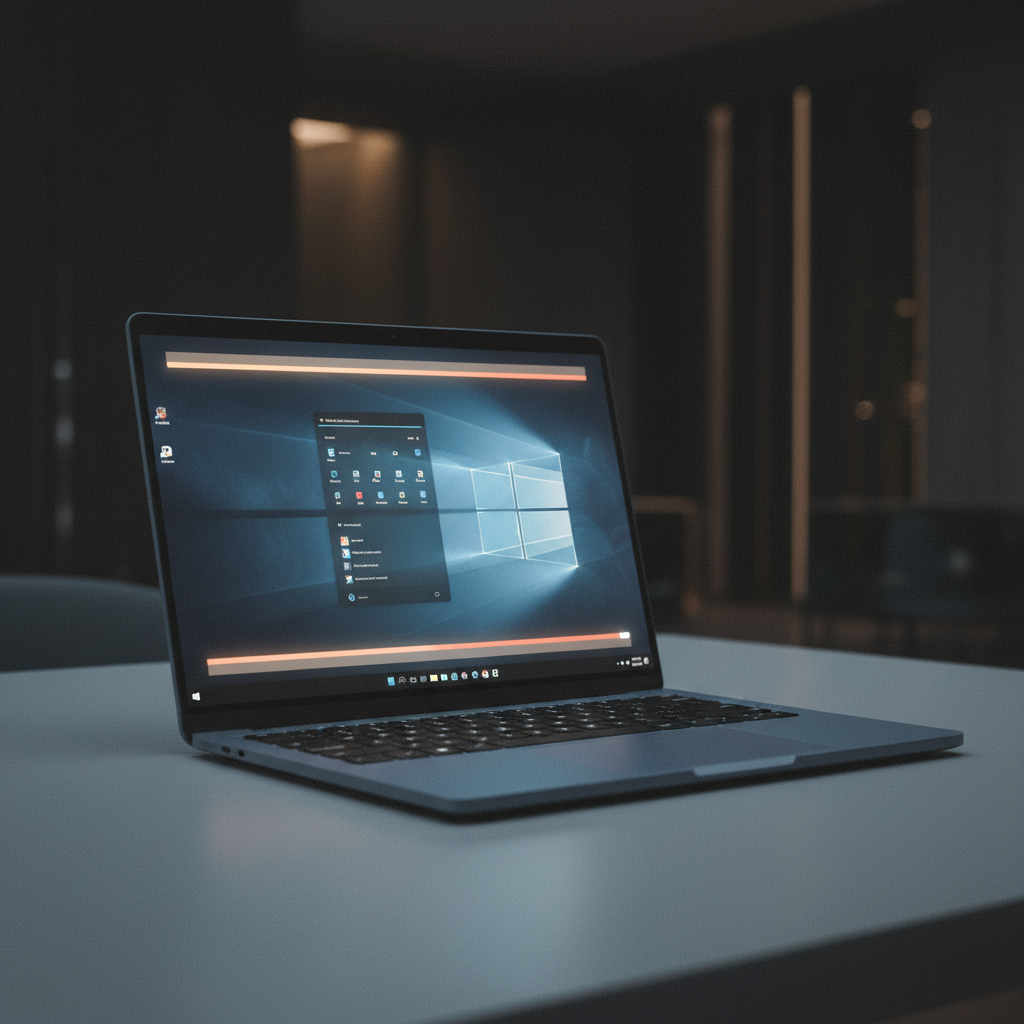
Microsoft is reintroducing the ability to reposition the taskbar in Windows 11, a feature long requested by users. This update is part of broader efforts to address user feedback regarding the operating system's performance and experience, highlighting a shift towards greater user interface customisation.
What Happened
- •Microsoft is restoring the functionality to move the Windows 11 taskbar to the top or sides of the screen.
- •This change comes nearly five years after the initial release of Windows 11, which locked the taskbar at the bottom.
- •The update is a direct response to widespread user criticism concerning Windows 11's performance, reliability, and overall user experience.
- •The movable taskbar is one of several user interface enhancements planned for the operating system this year.
- •The Verge reported this development on 20 March 2026.
Why It Matters for NZ Marketers
- •NZ marketers often rely on Windows-based systems for daily operations, and improved UX can boost team productivity.
- •This signals Microsoft's increased responsiveness to user feedback, which could translate to better business software and tools for NZ companies.
- •Enhanced customisation options might reduce frustration for NZ professionals who prefer specific desktop layouts, impacting software adoption rates.
- •A more stable and user-friendly OS could indirectly improve the efficiency of creative and analytical tasks performed by NZ marketing teams.
- •It reflects a global trend where tech giants are prioritising user-centric design, influencing expectations for all digital products used in NZ.
Strategic Implications
- •Marketers should observe how tech giants respond to user feedback, as this informs best practices for their own product development and customer service strategies.
- •Prioritising user experience and flexibility in digital tools can lead to higher engagement and satisfaction, a lesson applicable to marketing platforms.
- •The reintroduction of a basic customisation feature underscores the importance of listening to and acting on user 'pain points', even for seemingly minor issues.
- •This move could indicate a broader shift towards more adaptable and personalised computing environments, influencing future digital workplace strategies.
- •Brands should consider how their own digital touchpoints offer customisation and flexibility, aligning with evolving user expectations for control.
Future Trend Signals
- •Increased emphasis on user customisation and flexibility across all digital platforms and operating systems.
- •A growing trend of tech companies retrofitting features based on persistent user demand, rather than solely pushing new innovations.
- •The ongoing evolution of operating systems to better support diverse workflows and user preferences.
- •Expectation for more adaptive and less prescriptive user interfaces in business and consumer software.
Sources
Editorial note: This analysis is original, AI-assisted editorial content. All source material is attributed with links. No full articles are reproduced. Short excerpts are used under fair dealing principles.
Related Analysis
More posts sharing similar topics
Data & PrivacyAgency
Cross-Platform Measurement Evolves: Implications for NZ Marketers
Data & PrivacyAgency
Beyond Metrics: Why Optimization Alone Fails NZ Marketers' Growth Ambitions
Data & PrivacyAgency
Retail Automation: Urban Outfitters' Logistics Leap Signals E-commerce Evolution
Data & PrivacyAgency
Financial Services Firm Longview Selects RCJ: A Blueprint for Strategic Media Partnerships
Data & PrivacyAgency