
NZ Media News
Back to latest




Retail Automation: Urban Outfitters' Logistics Leap Signals E-commerce Evolution
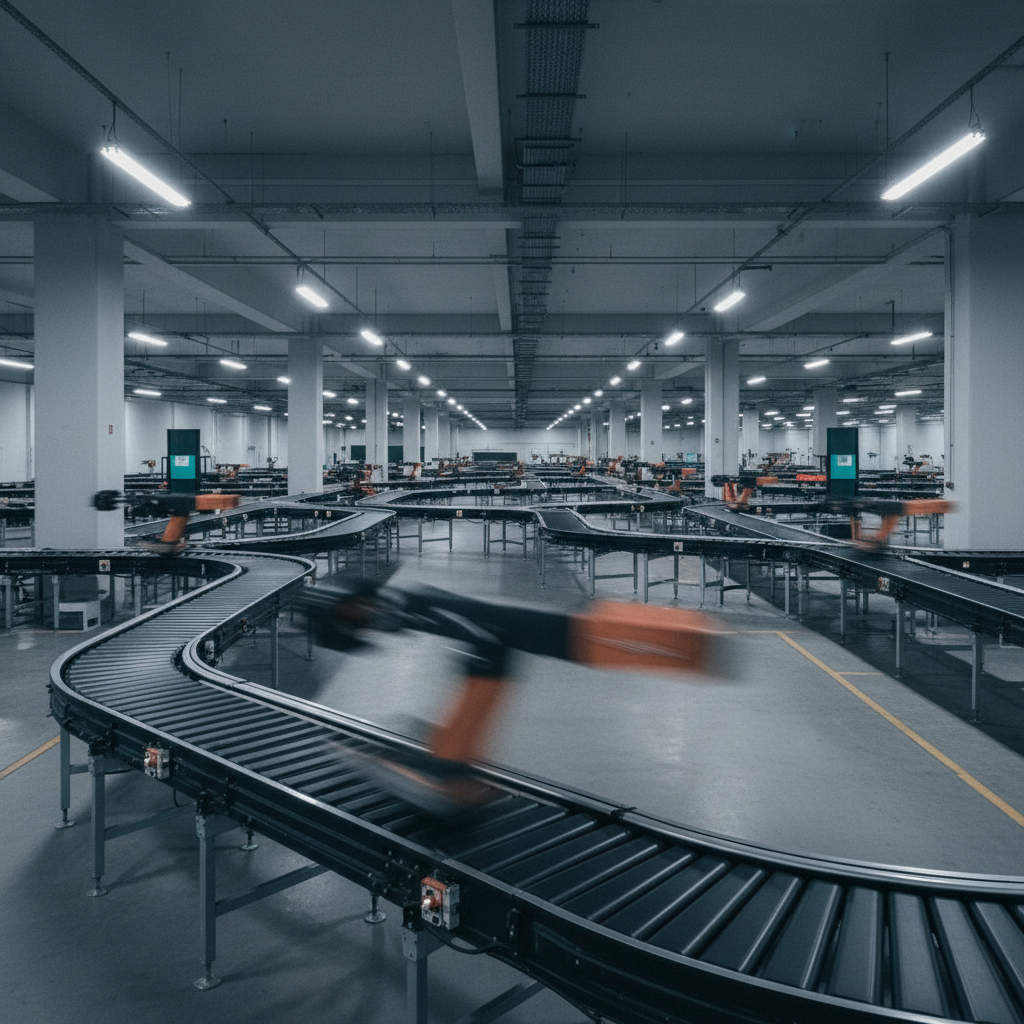
Urban Outfitters is significantly expanding automation at its Missouri distribution centre, primarily to bolster its Nuuly rental brand. This investment aims to enhance digital business capabilities and improve delivery and logistics efficiency, reflecting a broader retail trend towards advanced supply chain optimisation.
What Happened
- •Urban Outfitters Inc. is implementing the second phase of automation at its Missouri distribution facility, as reported by Retail Dive on 16 March 2026.
- •This facility specifically supports the company's Nuuly clothing rental brand.
- •The automation initiative is designed to accelerate its digital business operations.
- •Key objectives include achieving gains in delivery speed and overall logistics efficiency.
- •The investment underscores a strategic focus on optimising the e-commerce supply chain for faster, more reliable service.
- •This move follows a trend of major retailers investing heavily in automated warehousing solutions.
Why It Matters for NZ Marketers
- •NZ retailers face increasing consumer expectations for rapid and reliable e-commerce delivery, mirroring global trends.
- •Local logistics infrastructure and labour costs can be significant hurdles for NZ businesses scaling their online operations.
- •The success of rental models like Nuuly globally could inspire similar circular economy initiatives in NZ, requiring robust reverse logistics.
- •NZ marketers must understand that customer experience now heavily relies on efficient backend supply chains, impacting brand perception.
- •Smaller NZ brands may need to explore shared automated warehousing solutions or third-party logistics (3PL) providers to compete.
- •This highlights the critical role of logistics as a competitive differentiator, not just a cost centre, for NZ e-commerce.
Strategic Implications
- •Marketers should integrate supply chain capabilities into their value proposition, communicating speed and reliability.
- •Brands need to evaluate their current logistics infrastructure and identify bottlenecks hindering e-commerce growth.
- •Consider how automation can support new business models, such as subscription services or rental offerings, for the NZ market.
- •Invest in data analytics to optimise inventory management and forecasting, aligning marketing campaigns with logistical realities.
- •Collaborate closely with operations teams to ensure marketing promises align with actual delivery capabilities.
- •Explore partnerships with advanced logistics providers or invest in scalable, adaptable warehousing solutions.
Future Trend Signals
- •Increasing adoption of robotics and AI in warehousing will become standard for competitive e-commerce.
- •The 'last mile' delivery challenge will drive innovation in urban logistics and potentially localised micro-fulfilment centres.
- •Sustainability and circular economy models will necessitate advanced reverse logistics capabilities.
- •Supply chain efficiency will be a primary driver of customer loyalty and brand equity in the digital age.
Sources
Editorial note: This analysis is original, AI-assisted editorial content. All source material is attributed with links. No full articles are reproduced. Short excerpts are used under fair dealing principles.
Related Analysis
More posts sharing similar topics
AI & CommerceMeasurement
Roku's Intimate Upfronts Signal Shift to Data-Driven Streaming Engagement
AI & CommerceMeasurement
Google Workspace AI Boosts Productivity for NZ Marketers
AI & CommerceMeasurement
NZ-Founded Market Research Platform Ideally Secures Major Investment for Global Growth
AI & CommerceMeasurement
NZ Agencies Urged to Seize Control of Measurement Amidst Data Complexity
AI & CommerceMeasurement