
NZ Media News
Back to latest



Nvidia's DLSS 5: Generative AI Redefines Visual Fidelity, Eyeing Broader Industry Impact
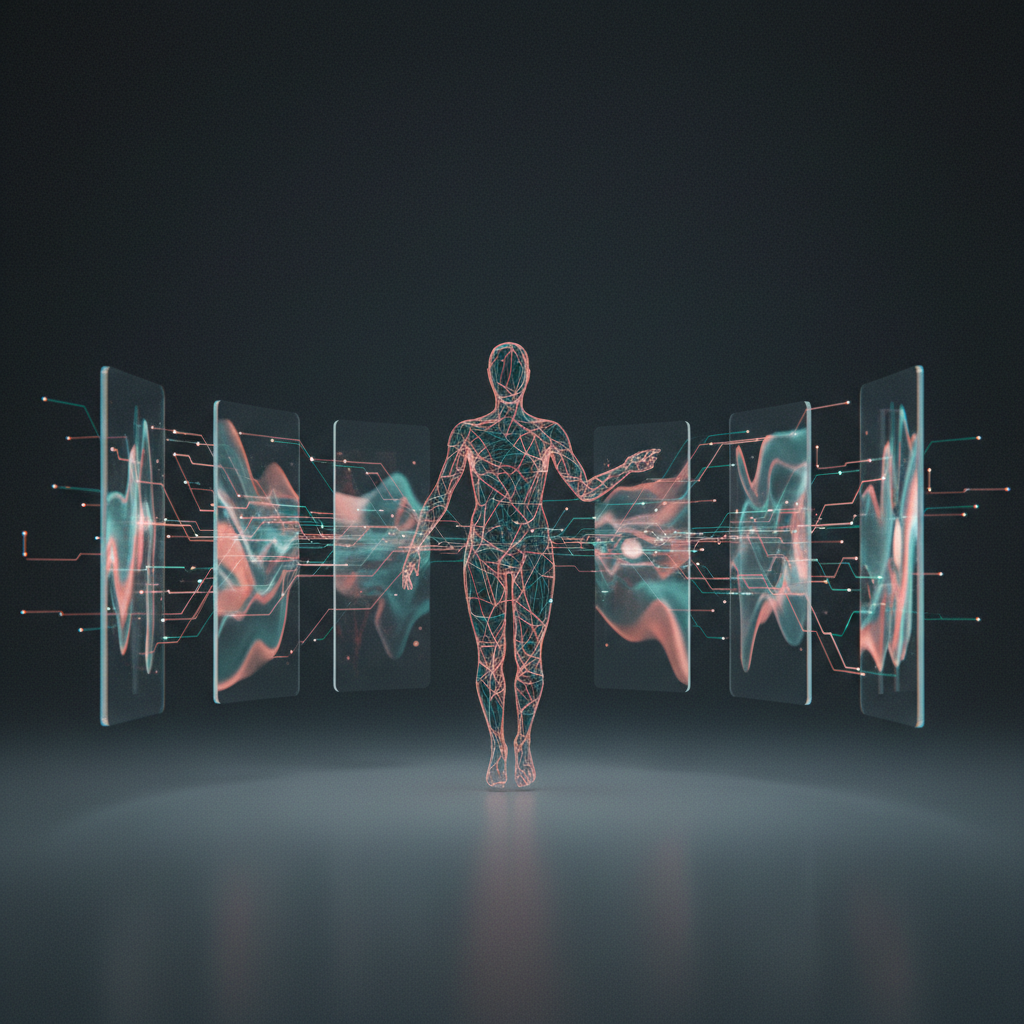
Nvidia has unveiled DLSS 5, leveraging generative AI to significantly enhance photorealism in video games. This technology, which uses structured graphics data, is poised to extend its capabilities beyond gaming, potentially transforming visual content creation across various sectors.
What Happened
- •Nvidia introduced DLSS 5, an advanced iteration of its Deep Learning Super Sampling technology.
- •DLSS 5 integrates generative AI to produce highly realistic visual enhancements within video games.
- •The system utilizes structured graphics data to inform its AI-driven rendering processes.
- •Nvidia CEO Jensen Huang indicated that this generative AI approach has potential applications far beyond the gaming industry.
- •The core innovation lies in AI generating visual details to boost realism, rather than simply upscaling existing images.
- •The announcement was made on 16 March 2026, as reported by TechCrunch.
Why It Matters for NZ Marketers
- •NZ's creative industries, including film, animation, and architectural visualisation, could see new tools for high-fidelity content generation.
- •Marketers in New Zealand will gain access to more sophisticated visual assets for campaigns, from product renders to immersive experiences.
- •The local gaming sector, both developers and enthusiasts, will benefit from enhanced visual quality and performance.
- •NZ brands engaging in metaverse or virtual experience marketing will find new avenues for hyper-realistic digital environments.
- •Increased demand for AI-skilled talent in graphic design and content creation could emerge within the NZ job market.
- •Early adoption of such visual AI tools could give NZ agencies a competitive edge in global pitches.
Strategic Implications
- •Evaluate generative AI's role in future content pipelines for efficiency and visual quality.
- •Investigate potential applications for creating hyper-realistic product visualisations and virtual showrooms.
- •Develop strategies for integrating AI-generated visual assets into omnichannel marketing campaigns.
- •Consider the ethical implications and brand guidelines for using AI-generated imagery.
- •Explore partnerships with technology providers to experiment with cutting-edge visual AI tools.
- •Future-proof marketing teams by fostering skills in AI-driven content creation and oversight.
Future Trend Signals
- •Generative AI will become a standard tool for visual content creation across diverse industries.
- •The line between real and AI-generated visuals will increasingly blur, demanding new authenticity standards.
- •Real-time, high-fidelity visual rendering will become more accessible and widespread.
- •AI will democratise complex visual effects, enabling smaller teams to produce high-quality content.
Sources
Editorial note: This analysis is original, AI-assisted editorial content. All source material is attributed with links. No full articles are reproduced. Short excerpts are used under fair dealing principles.
Related Analysis
More posts sharing similar topics
AI & CommerceCreator Economy
Patreon CEO Challenges AI's 'Fair Use' Claims, Advocates for Creator Compensation
AI & CommerceCreator Economy
Copyright Clash: Publishers Challenge AI Training Data
AI & CommerceCreator Economy
AI Likeness Registry Signals New Era for Athlete IP and Marketing
AI & CommerceCreator Economy
AI Seeks Human Emotion: The New Frontier for Creative Training Data
AI & CommerceCreator Economy