
NZ Media News
Back to latest




Nvidia's Autonomous Vehicle Play with Chinese Automakers Signals Future Transport Shifts
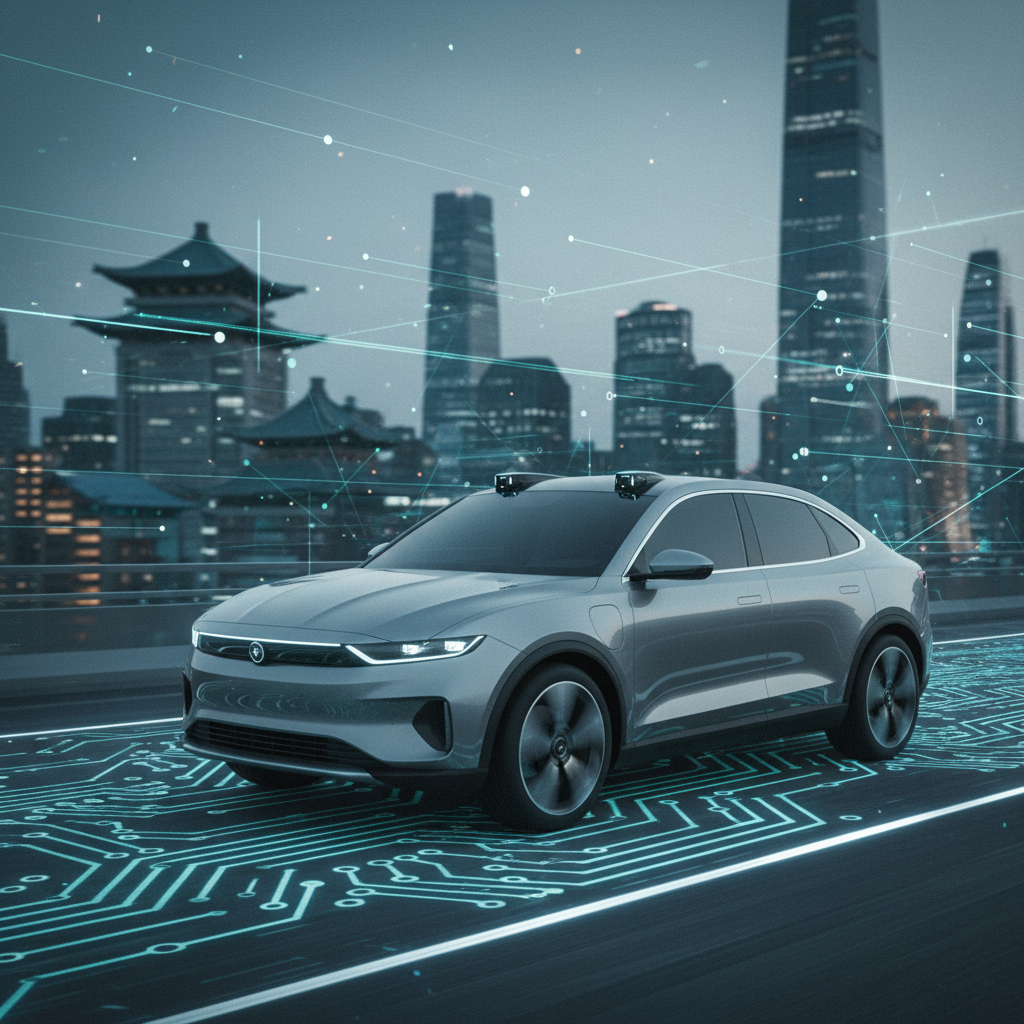
Nvidia is expanding its influence in the autonomous vehicle sector, securing partnerships with major Chinese automakers BYD and Geely to integrate its Drive Hyperion robotaxi platform. This move positions Nvidia as a critical technology provider for self-driving solutions globally, impacting the future of transportation and related industries.
What Happened
- •Nvidia announced that Chinese automotive giants BYD and Geely will adopt its Drive Hyperion autonomous vehicle platform.
- •The Drive Hyperion platform provides a comprehensive solution, including chips, computers, sensors, and AI software for self-driving cars.
- •This expansion was revealed at Nvidia's GTC conference on 16 March 2026.
- •Japanese manufacturers Isuzu and Nissan were also named as partners leveraging Nvidia's autonomous technology.
- •Nvidia aims to significantly influence the global autonomous vehicle market through these strategic collaborations.
Why It Matters for NZ Marketers
- •Increased adoption of autonomous vehicle technology by global manufacturers will accelerate its eventual arrival and integration into the New Zealand market.
- •As Chinese EV brands like BYD gain traction in NZ, their use of advanced autonomous platforms could influence consumer expectations for vehicle features.
- •The development of robotaxi services abroad foreshadows potential future transport models that could disrupt traditional logistics and ride-sharing in NZ.
- •NZ marketers in automotive, insurance, and urban planning sectors need to anticipate shifts in consumer behaviour and infrastructure requirements.
- •Local regulatory frameworks for autonomous vehicles will need to evolve in response to these global technological advancements.
Strategic Implications
- •Marketers should prepare for a future where vehicle ownership models may shift, impacting automotive advertising and sales strategies.
- •Brands can explore early integration of autonomous vehicle data for hyper-personalised in-car experiences and targeted advertising.
- •Consider how autonomous delivery services could redefine last-mile logistics and e-commerce marketing in urban and rural NZ.
- •Develop content strategies that address consumer education and trust-building around autonomous technology.
- •Evaluate opportunities for partnerships with tech providers or automotive brands to co-create innovative mobility solutions.
Future Trend Signals
- •The increasing standardisation of autonomous driving platforms across major car manufacturers.
- •A move towards 'software-defined vehicles' where AI and computing power are central to vehicle functionality and marketing.
- •The potential for new business models in transportation, including subscription-based autonomous services and robotaxi fleets.
- •Accelerated convergence of automotive, AI, and urban infrastructure planning.
Sources
Editorial note: This analysis is original, AI-assisted editorial content. All source material is attributed with links. No full articles are reproduced. Short excerpts are used under fair dealing principles.
Related Analysis
More posts sharing similar topics
AI & CommerceAgency
Cross-Platform Measurement Evolves: Implications for NZ Marketers
AI & CommerceAgency
Kraft Heinz's NFL Play: A Blueprint for Brand Reinvigoration Through Strategic Partnerships
AI & CommerceAgency
CTV Ad Targeting Scrutiny: Implications for NZ Marketers Amid Streaming Surge
AI & CommerceAgency
Old Spice's Nostalgia Play: A Blueprint for NZ Brands
AI & CommerceAgency