
NZ Media News
Back to latest




Autonomous Ride-Sharing: Tokyo Pilot Signals Future Mobility Shifts for NZ Marketers
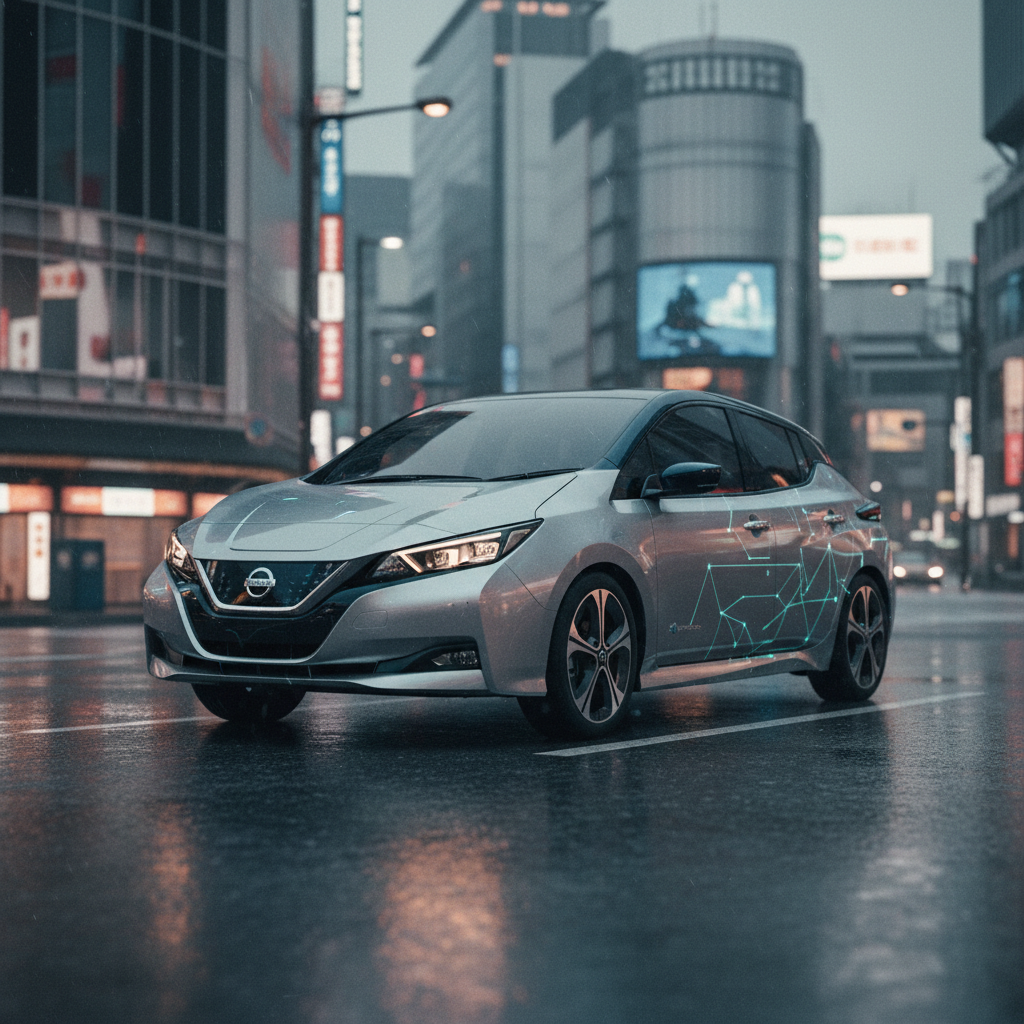
Uber, Wayve, and Nissan are collaborating to launch a robotaxi service in Tokyo, integrating Wayve's self-driving software into Nissan Leaf vehicles for use on the Uber platform. This pilot represents a significant step in autonomous vehicle deployment, offering insights into future urban mobility and its potential impact on marketing strategies globally, including New Zealand.
What Happened
- •Uber, Wayve, and Nissan announced a partnership to introduce a robotaxi service in Tokyo.
- •Nissan will integrate Wayve's autonomous driving software into its Leaf electric vehicles.
- •These self-driving vehicles are intended to be accessible via the Uber ride-sharing application.
- •The service is slated to commence operations in Tokyo during 2026.
- •This initiative marks a major commercial deployment of Level 4 autonomous driving technology in a dense urban environment.
Why It Matters for NZ Marketers
- •New Zealand's mobility sector, including ride-sharing and logistics, will eventually face disruption from autonomous vehicle technology.
- •Early adoption in major cities like Tokyo provides a blueprint for operational models and consumer acceptance that NZ marketers can observe.
- •The shift to autonomous fleets could influence urban planning and infrastructure development in NZ cities, impacting out-of-home advertising placements.
- •NZ brands reliant on delivery or transport logistics should monitor efficiency gains and cost reductions from such technologies.
- •Consumer attitudes towards autonomous services in NZ will be shaped by global successes and failures, influencing local marketing approaches.
Strategic Implications
- •Marketers should begin exploring how autonomous delivery and transport could integrate into their customer experience strategies.
- •Brands need to consider the implications of reduced car ownership on related product and service marketing.
- •Develop strategies for reaching consumers within autonomous vehicles, as in-car experiences evolve beyond traditional media.
- •Evaluate the potential for new data streams and targeting opportunities arising from connected autonomous fleets.
- •Anticipate changes in urban consumer behaviour and lifestyle as convenient, autonomous transport becomes more widespread.
Future Trend Signals
- •The commercial viability of autonomous ride-sharing is moving from theoretical to practical deployment.
- •Integration of AI-driven software with established automotive and ride-sharing platforms will accelerate autonomous adoption.
- •Urban environments are becoming key testing grounds for advanced mobility solutions, indicating future smart city developments.
- •The partnership model between tech, auto, and service providers will likely be the standard for scaling autonomous services globally.
Sources
Editorial note: This analysis is original, AI-assisted editorial content. All source material is attributed with links. No full articles are reproduced. Short excerpts are used under fair dealing principles.
Related Analysis
More posts sharing similar topics
AI & CommerceData & Privacy
Macy's AI Push Amidst Store Closures Signals Retail Transformation
AI & CommerceData & Privacy
NZ Marketers Must Heed New Unfair Trading Practices Legislation
AI & CommerceData & Privacy
Robust Job Market Signals Shifting Consumer Dynamics for NZ Marketers
AI & CommerceData & Privacy
Amazon's Ultra-Fast Delivery Push Signals Intensifying E-commerce Race
AI & CommerceData & Privacy