
NZ Media News
Back to latest




Gentrification Reshaping Auckland Suburbs, Altering Consumer Demographics
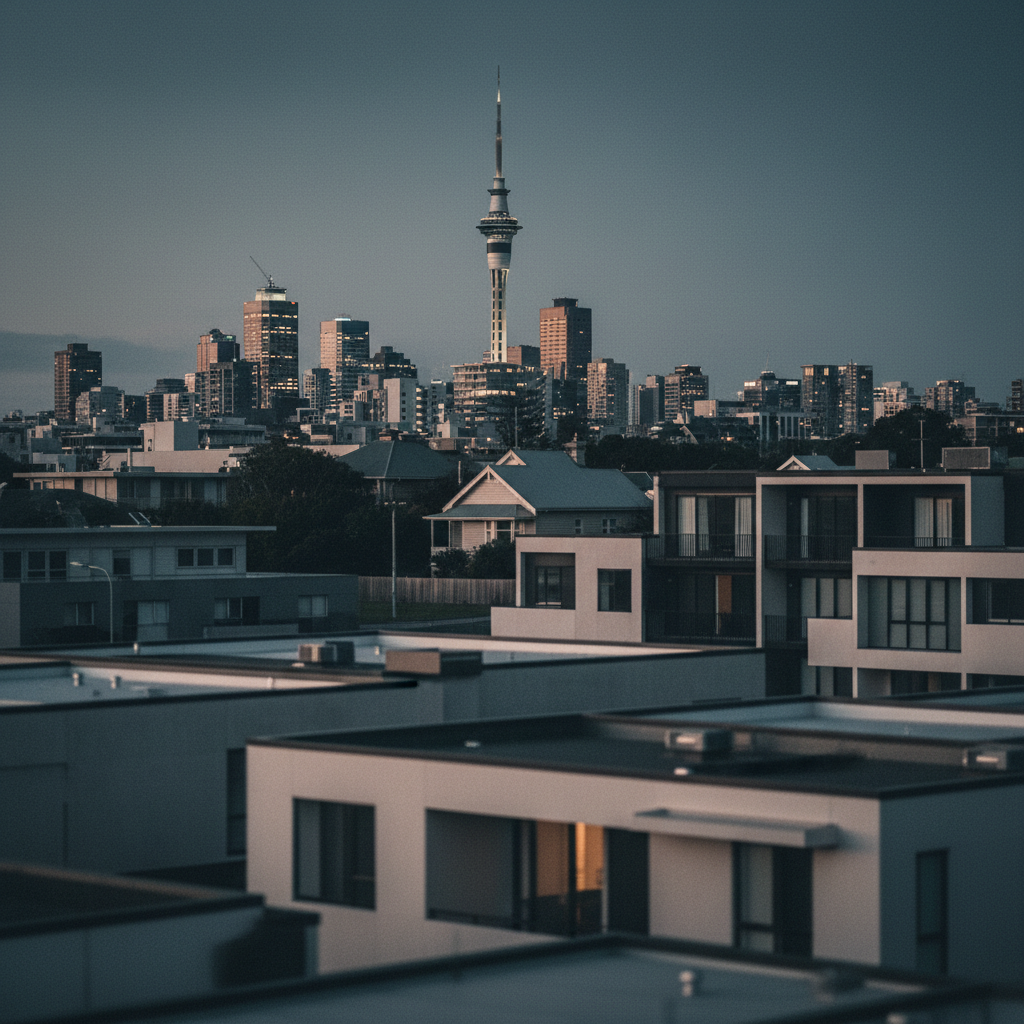
Rapid housing development in specific Auckland areas is significantly changing their demographic makeup, particularly reducing the proportion of renters. This shift impacts local consumer profiles and spending patterns, necessitating adaptive marketing strategies.
What Happened
- •Certain Auckland suburbs, exemplified by Penrose, are experiencing rapid housing construction, leading to a substantial increase in property values.
- •The proportion of renters in these developing areas is declining, with Penrose's renting share falling to 27.8% in 2023.
- •This demographic shift is attributed to gentrification, where new, higher-value housing replaces older, more affordable options.
- •The article, published by NZ Herald - Business on 12 April 2026, highlights this trend as creating 'gentrified' suburbs.
- •The increase in homeownership often correlates with higher disposable incomes and different consumption habits.
- •This transformation affects local retail, services, and the overall economic landscape of these evolving communities.
Why It Matters for NZ Marketers
- •NZ marketers must re-evaluate target audience profiles in rapidly changing Auckland suburbs, as traditional segmentation may no longer apply.
- •Local businesses need to adapt product offerings and pricing strategies to cater to a more affluent, homeowner-centric demographic.
- •Media planning and OOH placements should consider these demographic shifts to ensure effective reach and relevance.
- •Understanding the evolving lifestyle and purchasing power of these new residents is crucial for effective localised campaigns.
- •The decline in renter populations could impact demand for certain services or products traditionally favoured by younger, more transient groups.
- •This trend signals a broader shift in urban living dynamics across New Zealand's major cities, not just Auckland.
Strategic Implications
- •Conduct granular, postcode-level demographic analysis to identify areas undergoing significant gentrification.
- •Develop flexible marketing campaigns that can be quickly adjusted to reflect changing local consumer behaviours and preferences.
- •Invest in market research to understand the needs and aspirations of new homeowner populations in these evolving suburbs.
- •Consider partnerships with local community groups or real estate developers to gain insights into new residents.
- •Tailor retail experiences and service offerings to align with the higher disposable income and potential family-oriented needs of homeowners.
- •Explore digital advertising strategies that allow for precise geographic and demographic targeting to reach these specific audiences.
Future Trend Signals
- •Continued urban gentrification will reshape consumer landscapes in other major NZ cities beyond Auckland.
- •Increased demand for premium goods and services in newly gentrified areas.
- •A growing disparity in marketing approaches required for different urban zones within the same city.
- •Emphasis on data-driven, hyper-local marketing strategies to navigate evolving community demographics.
Sources
Editorial note: This analysis is original, AI-assisted editorial content. All source material is attributed with links. No full articles are reproduced. Short excerpts are used under fair dealing principles.
Related Analysis
More posts sharing similar topics
MeasurementDOOH
Trans-Tasman Retail Media Alliance Signals Integrated Marketing Future
MeasurementData & Privacy
E-commerce Logistics Shift: Prioritising Customer Experience Over Carrier Convenience
MeasurementData & Privacy
Media Transparency Demands Governance: A Call for Structural Integrity
MeasurementDOOH
NZ Marketers Face New Scrutiny on Brand Litter Impact
MeasurementData & Privacy