
NZ Media News
Back to latest


BYD's Ultra-Fast EV Charging: A Game Changer for NZ's Automotive Market
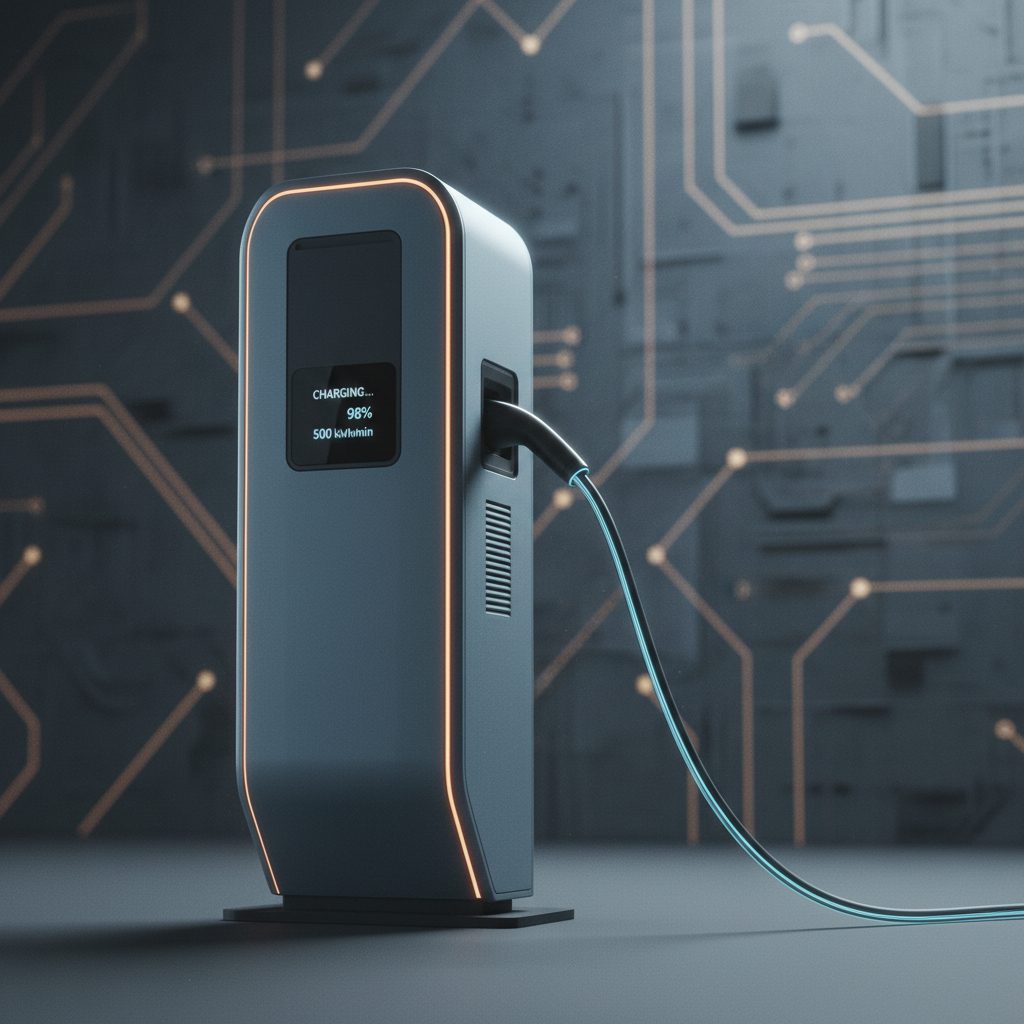
Chinese automaker BYD has unveiled its Blade Battery 2.0, featuring rapid 1.5-megawatt charging capabilities that significantly reduce EV charging times. This technological leap, while currently limited by infrastructure, signals a major shift in electric vehicle adoption and marketing strategies.
What Happened
- •BYD launched its Blade Battery 2.0, capable of charging at an unprecedented 1.5 megawatts.
- •This new battery technology allows for a 'flash charge' in approximately five minutes.
- •The primary limitation for widespread adoption is the current lack of charging infrastructure supporting such high power output.
- •The innovation dramatically reduces the time required to recharge an electric vehicle, addressing a key consumer concern.
- •The announcement was made by Chinese automaker BYD, a significant global player in the EV market.
- •The technology is designed to make EV ownership more convenient and comparable to refuelling traditional vehicles.
Why It Matters for NZ Marketers
- •Accelerated charging could significantly boost EV adoption rates in New Zealand, making electric vehicles more appealing to a broader consumer base.
- •NZ marketers for EV brands must prepare to highlight ultra-fast charging as a core competitive advantage, shifting focus from range anxiety to convenience.
- •The demand for robust, high-power charging infrastructure across New Zealand will intensify, creating new opportunities for energy sector partnerships.
- •This technology could influence fleet purchasing decisions for NZ businesses, impacting commercial vehicle marketing.
- •Local dealerships and service centres will need to adapt their sales pitches and technical support for these advanced battery systems.
- •It presents a challenge for competing EV brands in NZ to innovate or risk being outpaced by BYD's technological lead.
Strategic Implications
- •Marketers should integrate 'time saved' and 'convenience' into their EV messaging, moving beyond environmental benefits and range.
- •Brands need to proactively partner with charging network providers to ensure their vehicles can leverage new infrastructure as it develops.
- •Educational campaigns will be crucial to inform consumers about the benefits and availability of rapid charging technology.
- •Consider developing localised content showcasing how this technology fits into the daily lives of New Zealanders, such as long-distance travel or urban commutes.
- •Invest in data analytics to understand consumer sentiment shifts regarding EV charging and adapt strategies accordingly.
- •Explore co-marketing opportunities with energy companies or smart home solution providers to offer integrated charging experiences.
Future Trend Signals
- •The automotive industry is rapidly moving towards 'refuel-like' charging times, making EVs a more seamless transition from petrol cars.
- •Infrastructure development will become a critical differentiator for EV market success, driving investment in high-power charging stations.
- •Battery technology will continue to be a primary battleground for EV manufacturers, with speed and efficiency being key metrics.
- •Consumer expectations for EV charging will reset, demanding faster and more ubiquitous options, influencing future vehicle design and marketing.
Sources
Editorial note: This analysis is original, AI-assisted editorial content. All source material is attributed with links. No full articles are reproduced. Short excerpts are used under fair dealing principles.
Related Analysis
More posts sharing similar topics
Brand
Curated Local Event Guides Reveal Evolving Consumer Engagement
Brand
Amazon Adapts Gaming IP: Implications for NZ Content and Commerce
Brand
Sports Content Sustains Ad-Supported TV Amidst Shifting Viewership
Brand
Apple's China Fee Cut: A Global Precedent for App Store Regulation?
Brand